
From FM to Wavetables: The Best Digital Synth Emulation Plugins Out There
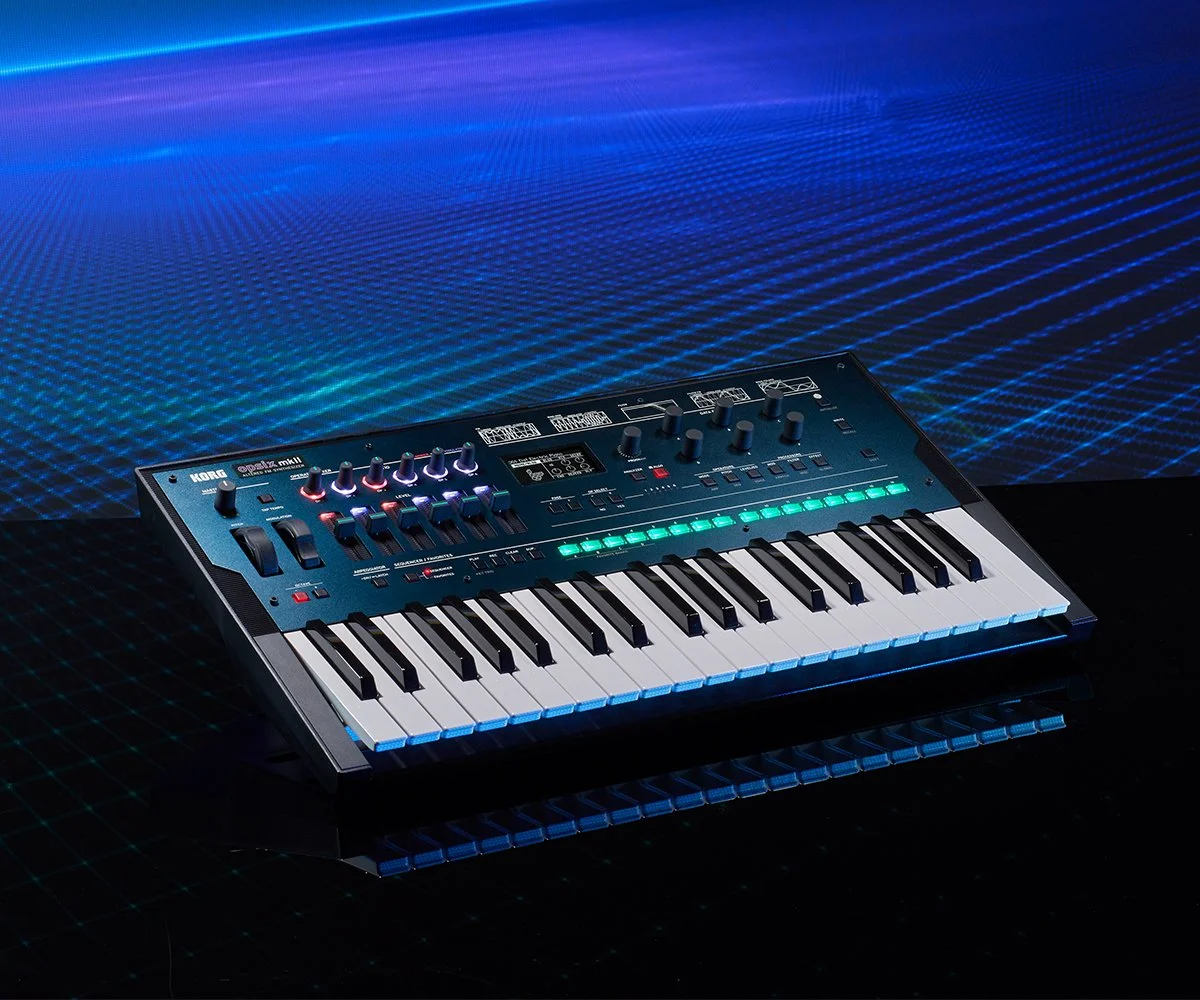
Digital synths have a special kind of magic. They’re not trying to sound like a warm analog polysynth or a “real instrument” — they’re built around FM, wavetable movement, PCM/ROMpler libraries, phase distortion, and hybrid engines that can feel glossy, sharp, icy, or outright futuristic. And even though a lot of modern plugins can technically cover similar ground, the best digital synth emulations have something extra: a specific fingerprint that instantly takes you to a time, a genre, or a certain kind of emotional texture. That’s why the classics still matter — not as nostalgia bait, but as tools that still do things modern synths don’t always nail in the same way. In this guide, I’m focusing on the best digital synth VST emulations that actually feel worth using in 2025 — from FM monsters like opsix native, to wavetable royalty like the PPG Wave, to workstation icons like the Korg M1, plus cult favorites like the microKORG and even free heavy-hitters like OsTIrus. These aren’t just “good plugins,” they’re instruments with a clear identity, and they’re perfect for producers who want digital character that cuts through a mix, inspires ideas fast, and doesn’t sound like the same polished preset pack everyone else is using.
Arturia CZ V – phase distortion bite and glass
Arturia CZ V is a love letter to the Casio CZ series, and it nails the reason those synths have become cult classics: phase distortion synthesis gives you digital tones that feel sharp, expressive, and slightly alien compared to typical subtractive synths. It can do glassy keys, rubbery basses, plucky mallets, and those hollow, vocal-ish pads that sound like early digital futurism. It’s clean enough to feel precise, but it has a natural edge that keeps it from sounding like a generic “modern plugin synth.”
What makes CZ V especially fun in 2025 is how quickly you can get to “that sound.” You don’t need 40 mod sources to make it interesting—phase distortion already builds movement and harmonics into the core tone. Essential highlights include phase distortion engine, classic CZ-style wave shaping, snappy envelopes for plucks and bass, and a digital character that works equally well for synthwave, hyperpop, indie electronic, and left-field dance music. If you want a digital synth VST that feels distinct the second you hit a key, CZ V earns its spot.
Download here
Roland D-50 – LA synthesis nostalgia machine
Roland D-50 is one of those digital synths that doesn’t just sound “vintage”—it sounds like an entire era of music production. The core magic is LA (Linear Arithmetic) synthesis, which blends short PCM attack samples with synthesized sustain to create patches that feel punchy, detailed, and instantly recognizable. This is the synth behind a ton of classic late-80s and early-90s tones: shimmering digital pads, breathy choirs, glassy bells, and those cinematic “fantasy soundtrack” textures that somehow feel both cheesy and timeless (in the best way).
What makes the D-50 still worth using today is that it’s not trying to be a clean modern wavetable monster—it’s a very specific kind of digital character. You get a slightly “hollow” but rich midrange, a polished top end, and a sense of movement that comes from the way the sound is constructed rather than from endless modulation. Key highlights to look for in a good D-50 emulation are LA synthesis structure, PCM transient layer + synth body, classic onboard chorus/reverb vibe, and access to iconic presets like Digital Native Dance-style sounds (even if you tweak them into something more modern). If you want true retro digital DNA, this is one of the most important synths ever made.
Download here
Waldorf PPG Wave 3.V – wavetable royalty, forever iconic
Waldorf PPG Wave 3.V is basically the blueprint for the kind of wavetable sound people still chase today: glossy but eerie, bright but slightly unstable, and always a little “expensive” sounding in the high end. It’s modeled after the legendary PPG Wave synths from the early digital era, where wavetable scanning wasn’t a trendy feature—it was the entire point. The result is a synth that can do glassy pads, icy digital keys, metallic plucks, and morphing textures that feel alive even when you’re holding down a single chord.
What makes it special is how it sits between worlds: it has that unmistakable early wavetable digital tone, but it can still feel warm and musical when you shape it right. The best sounds come from slow motion—letting the wavetable movement do the work—then adding just enough filtering and modulation to give it personality without smoothing out the bite. Essential highlights include classic PPG-style wavetable scanning, highly animated digital timbres, signature 80s/early-90s texture, and a tone that’s perfect for anything from synthwave to modern experimental pop. If your “digital synth VST” list needs a true legend, this is one of the most authentic picks you can make.
Download here
Korg M1 – classic ROMpler workstation magic
Korg M1 is one of the most influential digital instruments ever made, and it’s still everywhere even if people don’t realize it. It’s not a synth in the modern “sound design playground” sense—it’s a workstation ROMpler, meaning it’s built around PCM sample-based sounds that you shape into full patches. That’s exactly why it works so well: the M1 tone is immediate, polished, and hyper-musical, with presets that basically defined huge chunks of late-80s and 90s pop, house, and early dance music.
The reason producers still reach for M1 sounds today is that they cut through a mix without needing much help. You can get iconic digital piano tones, bright organs, synthetic mallets, and those “instant nostalgia” textures that feel clean but not sterile. The essential highlights here are the PCM-based sound engine, classic workstation patch design, and the sheer number of legendary presets (yes, including the ones that became entire subgenres). If you want a digital plugin that’s less about endless modulation and more about “drop it in and it just works,” the M1 is still a cheat code.
Download here
Korg opsix native – FM power with modern edge
If you want FM that actually feels fun to use (instead of a math class), Korg opsix native is one of the best modern digital synth emulations you can grab right now. It’s based on Korg’s opsix hardware, but in plugin form it becomes even more practical: instant recall, easy automation, and a workflow that encourages experimentation instead of punishing you for it. Sonically, it covers the full FM spectrum—from clean, bell-like tones and glassy keys to metallic percussion, aggressive basses, and those futuristic “moving” textures that instantly scream digital.
What makes opsix native stand out is that it’s not locked into “classic DX-style FM only.” You can reshape the operators in ways that feel more like modern sound design, and the modulation options make it easy to build patches that evolve over time without getting messy. Essential highlights include 6-operator FM architecture, multiple operator modes (FM + beyond), hands-on modulation, and built-in effects that help you take a patch from raw and clinical to wide, glossy, and mix-ready fast. If your goal is “digital synth VST” tones that feel alive and current, this one absolutely earns its spot.
Download here
Arturia SQ80 V – hybrid digital grit and movement
Arturia SQ80 V captures the gritty charm of the Ensoniq SQ-80, a synth that sits in a sweet spot between “early digital” and “secret weapon.” It’s built around digital oscillators feeding into analog filters, which is why it can sound both sharp and warm at the same time. You get that slightly crunchy, lo-fi top end on the oscillators, but when you shape it with the filter and envelopes it turns into pads, basses, and leads that feel thick, emotional, and a little haunted—perfect for anything that needs character instead of polish.
Where SQ80 V really shines is motion. Even basic patches can feel alive because the engine naturally leans into evolving textures, especially when you start layering modulation and pushing it into more unstable territory. Essential highlights include 3 digital oscillators per voice, analog-style filtering, classic hybrid architecture, and a tone that’s ideal for retro soundtrack vibes, moody techno, or modern pop that wants “vintage digital” color without sounding like an 80s cosplay. If you want a digital emulation that feels textured and musical instead of pristine, SQ80 V is a killer pick.
Download here
Arturia JP-8000 V – 2000s supersaw legend reborn
Arturia JP-8000 V is all about that instantly recognizable late-90s / early-2000s digital energy—the kind of sound that defined trance leads, rave stabs, and huge festival melodies before “EDM” was even a marketing term. The star of the show is the Supersaw style sound: wide, stacked, glossy, and aggressive in a way that still hits hard today. Even if you’re not making classic trance, that JP-style brightness and width is perfect for modern hard dance, hyperpop synth layers, or big hooks that need to dominate a mix.
What makes this synth worth including in a “best digital emulations” list is that it’s not subtle—it’s a specific tool for a specific kind of impact. You can dial in smooth, airy pads too, but the real fun is in brash leads, plucks with attitude, and big detuned stacks that feel like instant mainstage drama. Essential highlights include Supersaw oscillator character, fast, punchy envelopes, big unison-style width, and that unmistakable bright 2000s digital tone that sits right on top of everything. If you want a plugin that screams “anthem synth,” this is the one.
Download here
Korg microKORG – the indie digital classic
Korg Collection microKORG brings one of the most iconic “small synth” sounds into plugin form, and it’s still a perfect example of why the microKORG became a modern classic. It’s built around a virtual analog engine, but the personality is pure early-2000s digital: slightly glossy, slightly nasal, and weirdly flattering in a mix. It excels at bright plucks, buzzy leads, simple basses, and those lightweight pads that feel nostalgic without being too cinematic. It’s the kind of synth that makes you write parts fast, because the sound is already “finished” in a way.
A huge part of the microKORG legacy is how performance-friendly it is, especially when you lean into the vocal side of it. The vocoder is a big reason this synth shows up in so many indie, electro, and bloghouse-era tracks, and even today it’s still one of the quickest ways to get that robotic hook sound without overthinking it. Essential highlights include 2-oscillator virtual analog structure, built-in vocoder, classic microKORG preset vibe, and a tone that works great for minimal pop synth lines or bright dance leads. If your digital emulation list needs something instantly playable and culturally iconic, microKORG belongs here.
Download here
Arturia Emulator II V – sampler texture as a synth engine
Arturia Emulator II V is a different kind of “digital synth emulation,” because it’s really a classic sampler turned into a creative instrument. The original Emulator II was famous for turning low-resolution sampling into a signature sound—grainy, slightly crunchy, and weirdly warm in the mids. In plugin form, it’s still perfect for building that vintage digital vibe: choirs, strings, flutes, keys, and lo-fi orchestral textures that feel cinematic and uncanny at the same time. It’s less about pristine realism and more about character you can’t fake with clean modern libraries.
What makes it especially useful in a modern production context is how easily it becomes a “sound design engine” instead of just a retro preset box. You can take sampled material and reshape it into pads, eerie leads, or dusty chord stabs that feel like early industrial, darkwave, or old rave intros. Essential highlights include classic sampler-based synthesis, lo-fi digital texture, vintage-style filters and modulation, and that unmistakable 80s/early-90s grain that instantly makes sounds feel aged in a musical way. If you want digital flavor that’s more haunted VHS than shiny futurism, Emulator II V is a top-tier pick.
Download here
The Usual Suspects OsTIrus – free Virus TI emulation beast
OsTIrus is one of the most exciting things to happen in “digital synth emulation” in years, because it gives you that legendary Virus TI-style sound without needing the hardware. It’s a free plugin project from The Usual Suspects, and it’s aimed at capturing the core character people love about the Access Virus: polished but aggressive, clean enough for modern mixes, and absolutely stacked with that early-2000s “future club” energy. If you want sharp plucks, huge trance leads, dark rolling basses, and glossy pads that feel expensive instantly, this is the lane it lives in.
The big appeal is that it’s not just “a synth that can do a lot”—it’s a synth that has a very specific fingerprint. The Virus sound is often described as smooth, slightly hyped, and powerful in the upper mids, which is why it’s all over trance, techno, electro, and pop production from that era (and why people still chase it now). Essential highlights include Virus-style digital architecture, wide unison/stacked sounds, aggressive modern bass + lead tone, and the fact that it’s free while still being a serious sound design tool. If you’re building a list of the best digital synth VST emulations, OsTIrus is the “how is this even free?” pick.
Download here
More info about digital synths…
What’s the difference between analog and digital synths?
The simplest difference is how the sound is generated: analog synths create sound through real electrical circuits (oscillators, filters, VCAs), while digital synths generate sound using code, which can include FM, wavetable scanning, phase distortion, or PCM/sample-based engines like ROMplers and samplers. In practice, analog often has a naturally “rounded” and imperfect feel because the circuitry introduces subtle instability, saturation, and nonlinear behavior, while digital tends to sound more precise, clean, and harmonically complex—especially when it comes to sharp transients, glassy textures, and evolving movement. The important thing is that neither is automatically better: analog is often loved for immediacy and tone, digital is loved for range and detail, and most modern producers end up using both because they solve different problems in a mix.
Why do digital synths often sound brighter or sharper?
Digital synths often come across brighter because many digital sound engines generate very clean high-frequency content with less natural roll-off, saturation, or “softening” compared to analog circuits. Techniques like FM and phase distortion can create dense harmonic overtones that push energy into the upper mids and highs, while wavetable scanning can produce crisp, animated timbres that feel more “hi-fi” than subtractive analog shapes. On top of that, classic digital synths and ROMplers were often designed to sound punchy and present on consumer speakers, so their patches can have strong attack transients and a forward top end baked in. The result is that digital can feel more immediate and cutting—great for plucks, leads, and modern pop brightness—but it can also feel harsh if you don’t shape it with filtering, EQ, or saturation.
Can a digital synth sound warm like analog?
Yes—digital synths can absolutely sound warm, but the warmth usually comes from how you shape the tone, not from the engine automatically doing it for you. You can get warmth by using gentler filter slopes, rolling off some top end, adding subtle saturation or soft clipping, and using modulation that introduces slight instability (slow LFO pitch drift, random movement, or envelope “softness”) so the sound doesn’t feel perfectly static. A lot of digital emulations also include analog-inspired behaviors like drive stages, modeled filters, or chorus effects that instantly thicken and smooth out the sound, which is why synths like a Virus-style engine (or even something like the SQ80 hybrid vibe) can feel surprisingly rich and musical. The key is treating digital as a strength—not trying to hide it—then adding just enough harmonic glue and softness to make it feel physical and alive.
Disclosure: This site contains affiliate links. If you purchase through these links, I may earn a commission at no extra cost to you.