
These Are Europe's Coolest Underground Electronic Dance Music Festivals
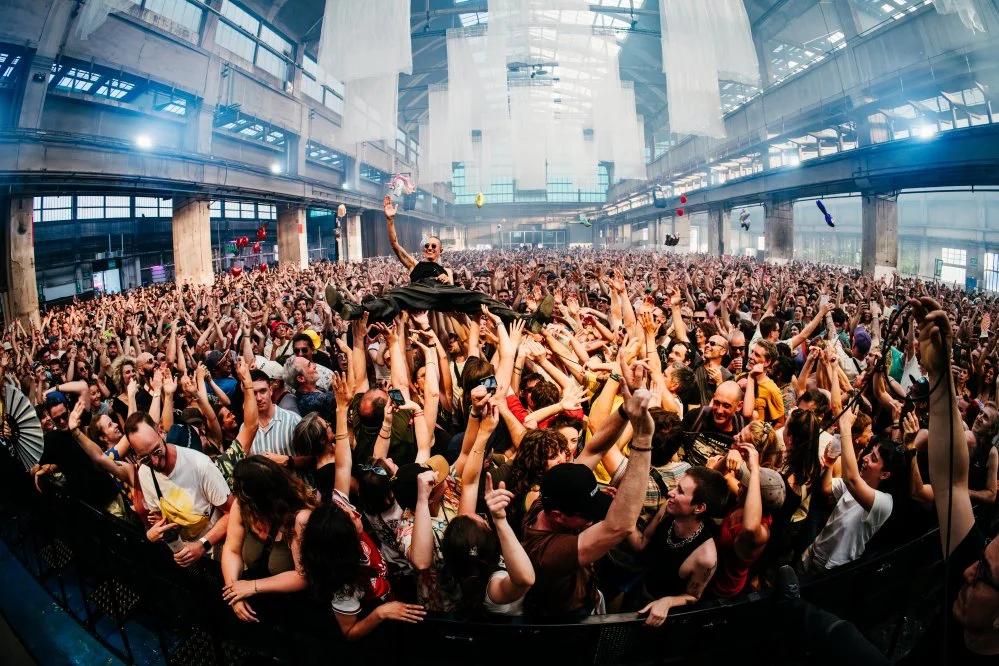
Across Europe, electronic music festivals have long functioned as more than seasonal gatherings. They’re cultural meeting points shaped by local scenes, politics, architecture, and the way club music evolves in specific places over time. From post-industrial sites in Northern Europe to coastal towns that briefly become global dance floors, these festivals reflect how underground electronic music adapts to its surroundings while staying rooted in shared values: curiosity, experimentation, and collective experience. In this post you’ll find festivals that aren’t unified by genre or scale, but by intent. Each one has built trust through careful programming and a clear sense of place, drawing audiences who come as much to listen as to dance. Some operate like temporary cities, others like extended club nights stretched over days, but all of them play an active role in shaping how contemporary electronic music is heard, shared, and remembered.
Horst Arts & Music | Vilvoorde, Belgium
When: May
Horst Arts & Music sits at the intersection of architecture, contemporary art, and club culture. Hosted on the grounds of the former Asiat military base near Brussels, the festival feels intentionally designed rather than merely staged. Every structure, stage, and installation is purpose-built, giving the event a gallery-like coherence that few electronic festivals attempt. The crowd skews curious and open-minded, with a strong local core and an international audience that values context as much as sound.
Musically, Horst avoids genre branding in favor of flow. Techno, house, ambient, experimental electronics, and left-field club music blend across finely tuned systems, with selectors chosen for their storytelling rather than headline status. Sets often unfold patiently, rewarding listeners who stay for the full arc. It’s a festival that feels less about spectacle and more about immersion, making it one of Europe’s most thoughtfully curated underground gatherings.
Nuits Sonores | Lyon, France
When: Mid-May
Nuits Sonores transforms Lyon into a week-long celebration of electronic and experimental music, using the city itself as a stage. Events spill across museums, warehouses, public squares, and repurposed industrial spaces, blurring the line between festival and urban takeover. Daytime programming leans exploratory and accessible, while nighttime events dive deep into club culture, often running until morning.
What sets Nuits Sonores apart is its programming confidence. Lineups balance foundational figures with emerging artists, placing experimental selectors in unexpected time slots and contexts. It’s not unusual to catch a challenging set in broad daylight or stumble into a room hosting a quietly historic moment after dark. The festival rewards curiosity and movement, encouraging attendees to treat the city as part of the experience rather than a backdrop.
Primavera Sound | Barcelona, Spain
When: Late May / Early June
Primavera Sound is best known for its indie and alternative legacy, but its electronic programming has become one of its quiet strengths. Spread across a massive seaside site in Barcelona, the festival dedicates serious attention to club-focused bookings, often threading underground dance music into prime evening slots rather than isolating it on side stages. The result is a lineup where electronic artists are given real space to shine.
The electronic side of Primavera leans eclectic rather than trend-driven. Acid, electro, techno, breakbeat, and experimental hybrids coexist comfortably, often with carefully planned back-to-backs and extended sets. The crowd reflects this openness, mixing rock fans, DJs, producers, and serious listeners in a way that feels unusually fluid for a festival of its scale. It’s less about underground purity and more about thoughtful crossover done right.
Kala Festival | Dhërmi, Albania
When: Early June
Kala Festival trades scale for intimacy, set along Albania’s southern coastline against a backdrop of turquoise water and rugged hills. The environment shapes the experience: beach stages, sunset gatherings, and late-night sessions unfold at an unhurried pace. Capacity is deliberately limited, which fosters a sense of community rather than anonymity, and makes the festival feel closer to a traveling party than a traditional event.
Musically, Kala focuses on groove-led sounds—deep house, minimal, disco, and Balearic-leaning selections dominate the programming. DJs are given room to play longer sets, allowing moods to develop naturally across the weekend. It’s less about peak-time pressure and more about musical continuity, making Kala especially appealing to listeners who value atmosphere and flow over spectacle.
Junction 2 | London, UK
When: June
Junction 2 takes place beneath and around massive highway flyovers in London, embracing its industrial setting rather than disguising it. The scale is large, but the tone is serious: high-capacity stages, heavy sound systems, and long operating hours give it the feel of a proper techno gathering rather than a mainstream festival. Despite its size, the layout remains functional, prioritizing sound quality and crowd movement.
Programming centers on underground techno and house, with an emphasis on established artists who can command big systems without watering down their sound. Sets tend to be functional, driving, and uncompromising, appealing to dancers who come for the music first. Junction 2 feels intentionally no-frills—less about lifestyle branding, more about providing space for dense, physical club music on a grand scale.
Paradise City | Ribaucourt Castle, Belgium
When: Late June
Paradise City is hosted in and around a historic castle estate, creating a stark contrast between ornate surroundings and modern electronic music. Sustainability is a core principle here, with visible efforts toward greener infrastructure and thoughtful crowd management. The setting elevates the experience without overwhelming it, offering something closer to a refined gathering than a chaotic rave.
The lineup leans tasteful and groove-oriented, spanning minimal house, melodic selectors, and subtly pushing techno rather than overt aggression. Artists are booked for musical compatibility rather than hype, which helps maintain a consistent mood across stages. Paradise City attracts a crowd that’s there to listen as much as dance, making it one of the more balanced and restrained underground festivals of the summer.
Kappa FuturFestival | Turin, Italy
When: Early July
Kappa FuturFestival takes place on a vast concrete site along the Dora River in Turin, fully embracing an industrial, no-nonsense aesthetic. The production is high-end, but the atmosphere is stripped of gimmicks, focusing squarely on sound, scale, and endurance. It’s a demanding festival—long days, intense heat, and powerful systems—but that challenge is part of its identity.
Musically, Kappa leans into heavyweight techno and house, with lineups anchored by genre-defining figures rather than social media trends. Detroit, Berlin, and classic European techno lineages are clearly represented, often in extended sets that favor function over theatrics. The crowd is international and committed, drawn by the promise of serious club music presented at maximum intensity.
Dekmantel | Amsterdam, Netherlands
When: Early August
Dekmantel has earned its reputation through meticulous curation and a long-term commitment to underground culture. Hosted in Amsterdam’s Bos venue, the festival balances open-air stages with focused listening environments, encouraging both dancing and attention. Beyond the main weekend, affiliated events expand across the city, reinforcing Dekmantel’s role as a cultural anchor rather than a standalone party.
The programming is notably broad without feeling scattered. Electro, techno, house, broken beat, ambient, and experimental sounds coexist through carefully sequenced sets and rare collaborations. Artists are trusted to take risks, and the audience shows up expecting that. Dekmantel feels less like a crowd-pleasing festival and more like a meeting point for deep listeners and forward-thinking selectors.
Dimensions Festival | Tisno, Croatia
When: Early August
Dimensions Festival takes place at a coastal site in Tisno, combining a relaxed seaside atmosphere with rigorously underground programming. Days unfold slowly with beach sessions and boat parties, while nights transition into tightly curated club experiences. The setting allows for both social openness and focused listening, giving the festival a distinctive rhythm.
Musically, Dimensions prioritizes cutting-edge club sounds rooted in tradition: dub techno, UK bass, electro, house, and experimental hybrids are central to its identity. It has a strong track record of spotlighting next-generation selectors alongside respected veterans, often before they break wider. The emphasis is on musical continuity and trust, making Dimensions one of Europe’s most respected underground gatherings.
Glitch Festival | Malta
When: Mid-August
Glitch Festival pairs Malta’s Mediterranean scenery with a distinctly gritty approach to club music. Events are spread across outdoor venues, poolside settings, and late-night warehouse-style spaces, creating a contrast between sun-soaked relaxation and dark, functional dance floors. The scale remains manageable, keeping the focus on music rather than spectacle.
The lineup leans toward techno and electro with a harder edge, often featuring artists who thrive in extended, late-night environments. Sets tend to prioritize tension and momentum over crossover appeal. Glitch attracts a crowd that’s there to dance hard, recover slowly, and repeat the cycle—balancing vacation energy with a serious commitment to underground club culture.
Disclosure: This site contains affiliate links. If you purchase through these links, I may earn a commission at no extra cost to you.