
8 Drum Synth Plugins Worth Using
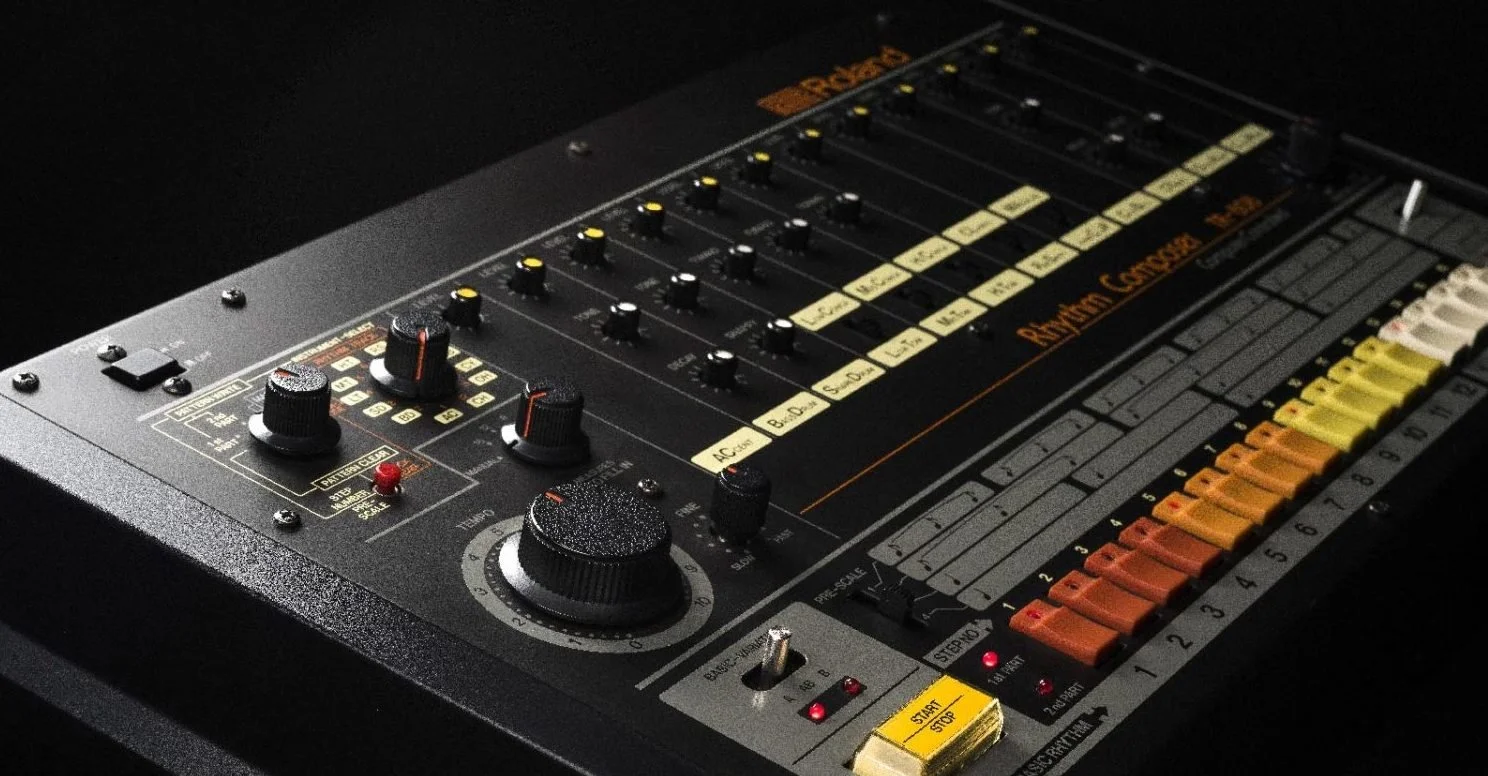
For years, drum production in the box has leaned heavily on samples — curated packs, recycled classics, and genre-specific kits passed around endlessly. But in parallel, there’s been a steady return to drum synthesis, driven by producers who want more control over punch, tone, and movement rather than scrolling through folders. In techno especially, synthesized drums remain central: kicks are sculpted, not selected; percussion evolves over time; and character comes from how a sound behaves, not just how it was recorded. What’s changed recently is that drum synth VSTs have finally caught up to modern workflows. New releases and updated classics now combine focused synthesis engines, per-voice processing, and fast sound-design tools that make building drums from scratch practical again — not just experimental. This post highlights the most recommended and critically respected drum-synthesis plugins right now, narrowing things down to a short list that actually makes sense to use in 2026. Each pick is framed by what it does best, so you can quickly find the right tool for your style and workflow.
Baby Audio Tekno — Best for modern synthesized drum sound design
Tekno is one of the few recent drum instruments that fully commits to synthesis-first drum creation instead of leaning on samples. Each sound is generated by dedicated drum engines rather than layered wave files, which makes it feel closer to a true drum synth than a traditional drum machine plugin. The focus is on immediacy: kicks, snares, hats, and percussion can be shaped quickly, but there’s enough depth under the hood to push sounds into more aggressive or unconventional territory. For techno and other club-focused genres, this approach makes a lot of sense — you’re sculpting tone and punch directly rather than adapting pre-recorded material.
What makes Tekno especially relevant today is how well it balances character and usability. It doesn’t aim to replace modular drum synthesis or ultra-deep sound design environments; instead, it offers a tight, modern set of engines that cover the essentials while still encouraging movement and variation. For producers who want drums that feel synthetic, alive, and track-specific — without slowing down their workflow — Tekno stands out as one of the strongest current options.
For more info, click here to check our review of Tekno.
Download here
Sugar Bytes DrumComputer — Best for pattern-driven drum synthesis
DrumComputer sits at the intersection of drum synthesis and rhythmic composition. Rather than behaving like a traditional drum rack, it treats each sound as part of a larger pattern system, where synthesis parameters, accents, and variations are tightly linked to sequencing. The result is a plugin that encourages you to think about how a drum part evolves over time, not just what each hit sounds like in isolation. For techno, electro, and left-field electronic music, this approach feels especially natural.
Sonically, DrumComputer leans toward digital and synthetic textures, with enough flexibility to cover kicks, snares, metallic percussion, and abstract rhythmic elements. Its strength isn’t realism or analog emulation, but controlled unpredictability — small changes in patterns can radically reshape the groove. If you enjoy building drum parts that feel generative, modular, or slightly unstable without leaving the DAW, DrumComputer is one of the most distinctive tools in this category.
Download here
Audio Damage Axon — Best for FM-driven electronic percussion
Axon approaches drum synthesis from a frequency-modulation perspective, which immediately sets it apart from analog-style drum plugins. Instead of focusing on familiar circuit behavior, it uses FM operators to generate sharp transients, metallic overtones, and tightly controlled low end. This makes it particularly effective for electronic genres where drums need to feel synthetic, precise, and slightly aggressive rather than warm or vintage.
What makes Axon especially appealing is how well it balances complex synthesis with musical results. FM can easily become brittle or difficult to control, but Axon’s structure is clearly tuned for percussive sounds, with envelopes and modulation behaving in predictable, usable ways. It’s a strong choice for producers who want kicks, toms, and percussion that cut through a mix with clarity, or who are looking to move away from analog-inspired drum palettes without losing impact.
Download here
Sonic Academy Kick 3 — Best for dedicated kick drum synthesis
Kick 3 is focused entirely on kick drum creation, and that singular purpose is what makes it so widely recommended. Instead of offering a broad drum palette, it gives you precise control over the elements that actually matter in a kick: sub tone, transient shape, harmonic content, and phase. Everything is laid out to make intentional decisions quickly, whether you’re aiming for a tight techno thump, a long rolling low end, or something more aggressive and distorted.
What sets Kick 3 apart is how predictable and repeatable it is. Small adjustments produce audible, useful results, which makes it easy to dial in a kick that works in context rather than endlessly tweaking. It’s not a creative drum playground in the same way as some full drum synths, but for producers who care deeply about low-end translation and club impact, Kick 3 has become a near-standard tool for building kicks from scratch.
Download here
Rob Papen Punch 2 — Best for hybrid drum synthesis and sequencing
Punch 2 sits slightly apart from pure drum synths by combining synthesis, sample layering, and built-in sequencing into a single instrument. While it can pull in samples, its strength lies in how deeply you can shape and transform drum sounds using its synth engines, modulation, and effects. This makes it less about recreating classic drum machines and more about designing complete drum kits that feel cohesive and intentional.
Where Punch 2 really earns its place is workflow. Having sound design, pattern creation, and performance features living in one plugin makes it easy to sketch full rhythmic ideas without constantly bouncing between tools. It’s especially useful if you like drums that feel structured and musical rather than purely raw or experimental. For producers who want flexibility without committing to a modular mindset, Punch 2 offers a powerful middle ground.
Download here
Sonic Charge Microtonic — Best for fast, pattern-based drum synthesis
Microtonic has been around for a long time, but it remains one of the most respected and widely used drum synths because of how quickly it lets you move from idea to groove. Its synthesis engine is intentionally streamlined, focusing on the core parameters that define kicks, snares, hats, and percussion without overwhelming you with options. This makes it especially effective for building tight, functional drum sounds that respond well to sequencing and automation.
The real strength of Microtonic is the relationship between sound design and rhythm. Patterns, accents, and subtle parameter changes are easy to sketch and refine, which encourages variation rather than static loops. It’s not about ultra-detailed sculpting or realism — it’s about speed, clarity, and musical results. For producers who want synthesized drums that come together fast and stay flexible inside a track, Microtonic continues to earn its reputation.
Download here
AIR Music Tech DrumSynth — Best for classic, no-nonsense drum synthesis
DrumSynth is a straightforward take on traditional electronic drum synthesis, built around clearly defined modules for kicks, snares, claps, hi-hats, and percussion. Rather than chasing character or emulating specific machines, it focuses on giving you the essential building blocks: oscillators, noise sources, envelopes, filters, and distortion laid out in a logical, utilitarian way. This makes it easy to understand what’s shaping a sound at any moment, which is refreshing in a landscape full of highly opinionated drum plugins.
Its appeal lies in control and transparency. DrumSynth is well suited to producers who want to design functional, mix-ready drums without baked-in color or genre bias. It’s especially useful for foundational sounds that can later be processed or layered elsewhere in a track. If you value clarity over personality and prefer shaping drums deliberately from the ground up, DrumSynth remains a solid and underrated option.
Download here
D16 Group drum machines — Best for classic analog drum synthesis workflows
D16’s drum instruments are best understood as a family of modeled drum machines, all built around the same core idea: recreating the behavior of classic analog drum synthesis using circuit-inspired modeling rather than samples. Plugins like Drumazon, Nepheton, and Nithonat each focus on a specific lineage, but they share a common philosophy — predictable envelopes, tight tuning ranges, and a punchy, mix-ready sound that feels immediately familiar to electronic music producers.
What makes the D16 lineup still relevant is how well these instruments fit into modern DAW-based workflows while retaining the discipline of classic drum synthesis. They don’t aim to be experimental or generative, and they don’t blur the line between sound design and sequencing. Instead, they excel at providing solid, authoritative drum voices that respond well to automation, processing, and external sequencing. If your approach to drums is rooted in classic techno, house, electro, or acid — and you want synthesized sounds that behave consistently and sit well in a mix — D16’s drum machines remain some of the most dependable tools in this space.
Download here
More info
What’s the actual difference between drum synthesis and drum samples?
The key difference is that drum synthesis generates sound in real time, while samples replay a fixed recording. With synthesis, elements like pitch, decay, distortion, and transient shape are mathematically created and remain adjustable at any stage. Samples, by contrast, start as a snapshot of a sound that can be processed, but not fundamentally reshaped. This means synthesized drums are inherently more flexible when it comes to tuning, movement, and adaptation within a track.
What are the advantages of using drum synths over samples?
Drum synths shine when you need precision and control. Kicks can be tuned exactly to a track’s key, envelopes can be tightened or stretched without artifacts, and subtle modulation can add motion without changing the pattern. Synthesized drums also tend to translate more consistently across systems because they’re designed from simple waveforms and noise sources rather than complex recordings. For electronic music, this makes them especially reliable for low-end, percussive clarity, and long-term mix stability.
Cover credit: Synthopia
Disclosure: This site contains affiliate links. If you purchase through these links, I may earn a commission at no extra cost to you.