
Arturia MicroFreak Review: Why This Weird Little Synth Matters
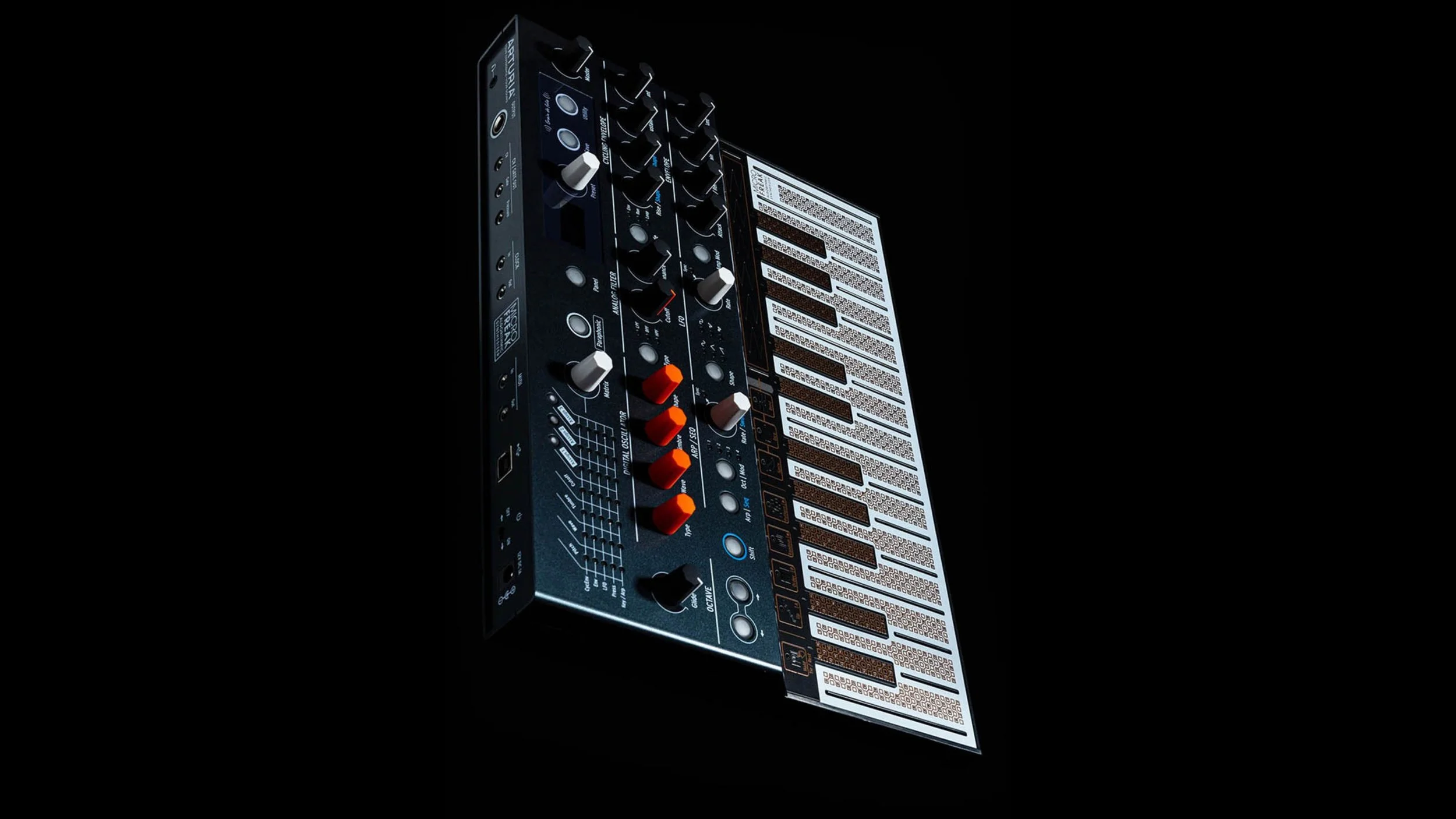
The Arturia MicroFreak has been one of the most talked-about compact synthesizers since its launch, carving a niche between budget-friendly gear and genuinely adventurous sound design tools. Rather than trying to compete with full-blown polysynths or classic analog monos, MicroFreak blends **multi-mode digital oscillators with an analog state-variable filter, a capacitive keyboard with polyphonic aftertouch, and a flexible modulation matrix that encourages experimentation over routine patch browsing. Over many sessions of playing and designing patches, I found MicroFreak isn’t immediately intuitive if you expect a “traditional” synth experience — but that’s also precisely the point. It feels like a laboratory you can jam with, improvise on, and sometimes lose a couple of hours exploring unexpected sonic territory. These strengths — alongside its compact footprint and affordably punchy price — make it a compelling pick for producers and hardware aficionados willing to step outside formulaic synth designs.
Curious why the MicroFreak still stands out today?
Click here for more info
TL;DR
A hybrid digital/analog synth with a distinctive voice engine and expressive keyboard.
4-voice paraphonic sound with a modular-like modulation matrix.
Surprisingly deep sequencing and arpeggiation for creative sketching.
Keyboard’s capacitive touch and poly aftertouch can be tricky and rewarding in equal measure.
Might feel unconventional for players seeking classic key feel or analog-only tones.
What Is the MicroFreak?
The Arturia MicroFreak is a hybrid hardware synthesizer that pairs a digital oscillator section with an analog state-variable filter, designed around experimentation rather than traditional keyboard performance. It’s a compact, desktop-friendly instrument with a distinctive capacitive touch keyboard instead of moving keys, capable of polyphonic aftertouch and expressive modulation gestures. At its core, MicroFreak is about offering a wide range of synthesis approaches in a small, affordable box, without locking the user into a single sonic identity.
In practical terms, MicroFreak sits somewhere between an entry-level synth and a modular-inspired idea machine. It’s paraphonic (up to four voices sharing one filter) rather than fully polyphonic, and its sound engine is built around multiple oscillator models rather than classic subtractive architecture alone. These include virtual analog, wavetable, FM-style, and algorithmic engines developed in collaboration with third parties over time. Alongside this, the instrument includes a modulation matrix, arpeggiator, and step sequencer, positioning it as a self-contained tool for sketching ideas, generating patterns, and exploring sound design without external gear.
How It Sounds
Sonically, the MicroFreak leans modern, edgy, and intentionally digital, with a character that often feels closer to experimental software synths than classic analog hardware. The digital oscillators can sound bright, sharp, and harmonically dense, especially in wavetable, FM, and algorithmic modes, while the analog filter adds just enough warmth and instability to keep things from feeling sterile. It doesn’t naturally default to “fat” or “lush” in the way vintage-inspired synths do, but it excels at unusual timbres, animated textures, and evolving tones that cut through a mix.
In hands-on use, certain oscillator models shine more than others depending on context. Percussive plucks, metallic sequences, and modulated basses feel like a strong suit, especially when paired with aftertouch-driven modulation. Pads are possible, but the paraphonic architecture and shared filter mean they have a more synthetic, sometimes brittle quality rather than a smooth, cinematic one. The filter itself sounds clean and controlled rather than characterful or overdriven, which works well for sculpting complex oscillators but won’t satisfy users looking for obvious analog saturation. Overall, MicroFreak rewards curiosity: the more you push modulation and performance controls, the more alive and expressive it sounds.
Workflow and Real-World Use
In day-to-day use, the MicroFreak feels built for fast experimentation rather than polished production work. The front panel keeps most parameters one or two button presses away, and the modulation matrix makes it easy to assign expressive controls—like pressure or key position—to meaningful destinations without menu diving. Once you get used to the touch keyboard, it becomes less about traditional playing technique and more about gestural input, encouraging slides, pressure-based modulation, and rhythmic tapping that feel closer to a controller than a piano-style instrument.
The sequencer and arpeggiator are central to how the MicroFreak fits into a setup. Patterns are quick to sketch, easy to mutate, and fun to perform live, especially when combined with real-time parameter changes. In a studio context, it works well as a character synth alongside more conventional polysynths, filling in strange leads, rhythmic sequences, or textural layers. That said, the keyboard’s non-traditional feel and lack of onboard effects mean many users will likely pair it with external processing or use it as part of a larger rig, rather than relying on it as a single all-in-one sound source.
Alternatives to Consider
Arturia’s own Arturia MiniFreak is the most obvious step-up if you like the MicroFreak concept but want a more traditional playing experience. It expands the same general philosophy into a true polyphonic architecture with a standard keyboard and onboard effects, making it better suited for pads, fuller chords, and standalone use. The tradeoff is size, price, and a slightly more conventional workflow that loses some of the MicroFreak’s raw, experimental immediacy.
If your interest leans more toward classic synthesis with modern reliability, the Korg Minilogue or Minilogue XD offer fully analog or hybrid signal paths with a more familiar subtractive layout. On the digital side, the ASM Hydrasynth Explorer delivers deep modulation and expressive performance control with a very different sonic character—cleaner, more hi-fi, and far more complex for traditional polyphonic sound design. For a deeper breakdown of what to buy instead, check my post about choosing the right compact synth for modern producers.
Pros
Highly flexible digital oscillator section paired with an analog state-variable filter encourages experimental sound design.
Capacitive touch keyboard with polyphonic aftertouch enables expressive modulation that’s rare at this price point.
Modulation matrix, sequencer, and arpeggiator make it easy to generate ideas quickly without external gear.
Compact size and lightweight build fit well into small studios or portable setups.
Cons
Paraphonic architecture limits how natural chords and pads feel compared to true polyphonic synths.
The touch keyboard can be divisive for players used to traditional keys and requires adjustment.
No onboard effects, which means external processing is often needed to finish sounds.
The overall tone leans digital and modern, which may not appeal to users chasing classic analog warmth.
Final Words
The Arturia MicroFreak succeeds because it doesn’t try to be everything at once. It’s a focused, idea-driven instrument that rewards curiosity, experimentation, and hands-on interaction over polished presets or traditional playability.
If you approach it as a character synth rather than a do-it-all keyboard, it earns a clear place in a modern setup. For producers and performers who value expressive control and unconventional sound design, MicroFreak remains one of the more distinctive options in its class.
Thinking about adding a MicroFreak to your setup?
Click here for more info
Disclosure: This site contains affiliate links. If you purchase through these links, I may earn a commission at no extra cost to you.