
Download These FM Synth Plugins Now! From Classic DX-Style to Modern FM
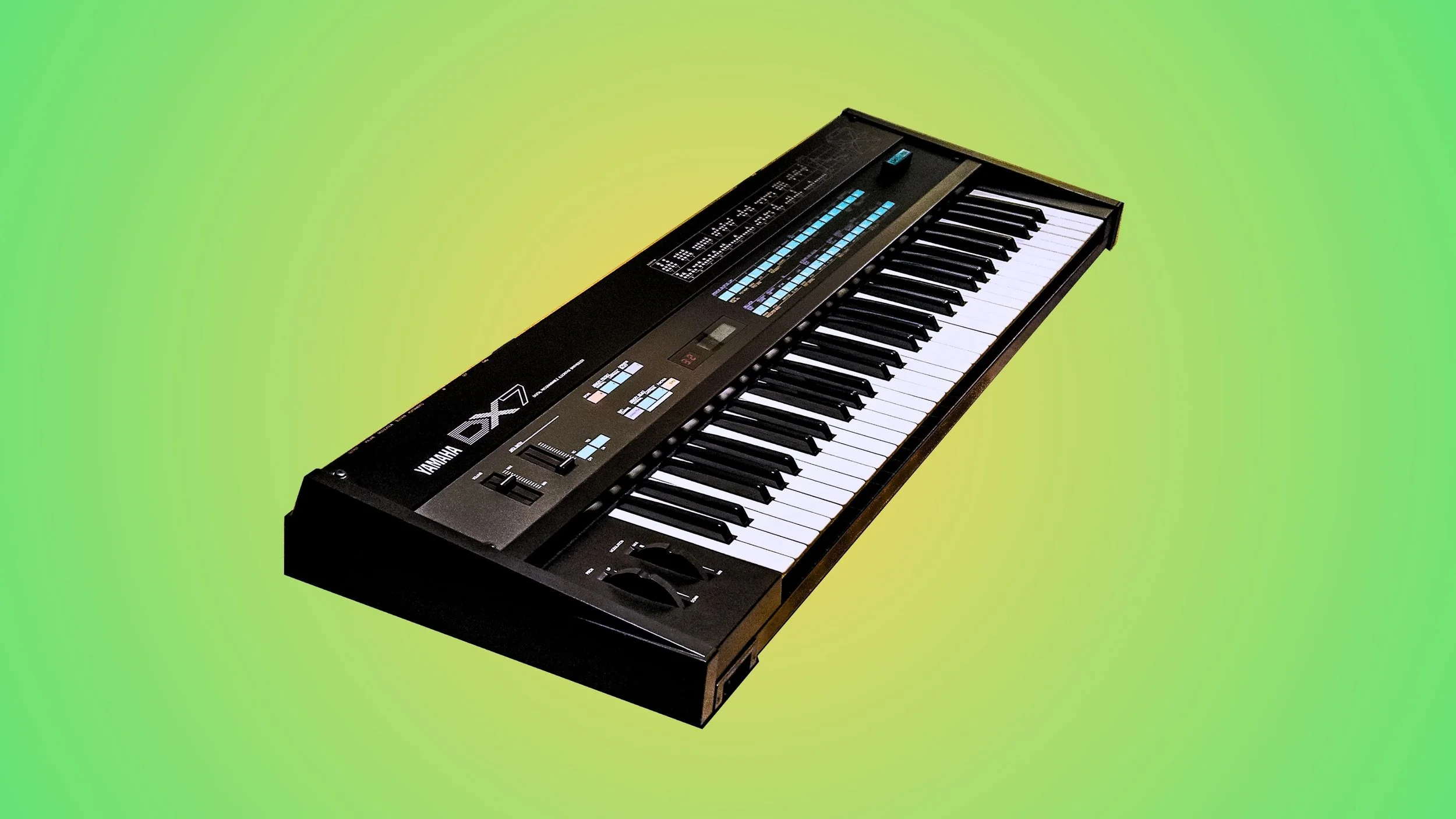
FM synthesis has a reputation problem. For some producers, it still means brittle DX7 presets and inscrutable operator matrices. For others, it’s one of the most powerful and expressive sound-design methods available — capable of everything from clean digital tones to chaotic, evolving textures that are hard to achieve any other way. In this guide, we’re focusing on FM-centric VST synths — instruments where frequency modulation (or phase modulation) is the core engine, not just a secondary feature. The main list highlights the most important FM synth plugins available today, followed by short context sections covering hybrid synths and modern all-rounders that approach FM from a different angle. Whether you’re chasing classic FM sounds or looking for more experimental workflows, this breakdown should help you find the right tool without wading through marketing noise.
Native Instruments FM8
Built as a modern successor to classic 6-operator FM hardware, FM8 is one of the clearest examples of traditional FM made usable in software. It sticks closely to a DX-style operator model, but expands it with a flexible modulation matrix, extensive envelope control, and visual feedback that makes otherwise abstract FM relationships easier to grasp. Crucially, it’s designed around predictable, repeatable FM behavior, which makes it well suited to learning FM synthesis properly rather than stumbling into results by accident.
In practice, FM8 feels precise and controlled rather than experimental or chaotic. It excels at clean digital tones, evolving pads, metallic keys, and expressive leads, and it remains a staple in genres that value clarity and articulation. While it doesn’t chase modern trends like wavetable morphing or hybrid engines, its strength lies in being a deep, disciplined FM instrument that rewards understanding. For producers who want a serious, studio-reliable FM synth with a long track record, FM8 still holds its ground.
Download here
Arturia DX7 V
DX7 V is Arturia’s modern take on Yamaha’s iconic DX7, staying faithful to the original 6-operator FM architecture while addressing the usability issues that made classic hardware intimidating. It preserves the algorithm-based structure and operator relationships that define traditional FM, but layers on clearer visual feedback, improved envelope editing, and quality-of-life tweaks that make sound design less opaque. The result is a synth that feels historically grounded without being frozen in time.
Where DX7 V stands out is in how it balances authenticity with practicality. It excels at classic FM territory—electric pianos, glassy pads, sharp basses—but is also comfortable being pushed into more contemporary textures thanks to modern modulation and effects. Compared to more experimental FM synths, DX7 V is deliberately focused and conservative, which is exactly the point: it’s for producers who want the DX sound and workflow, refined just enough to be usable in a modern DAW without losing its character.
Download here
Dexed by Digital Suburban [FREE!]
Dexed is a free, open-source FM synth that cloFREE!sely follows the classic 6-operator DX7 architecture, right down to algorithm structure and parameter behavior. Its biggest claim to fame is full compatibility with original DX7 patches, including direct import of legacy cartridge files, which effectively turns it into both a synth and a DX7 librarian. Rather than reinventing FM, Dexed focuses on accuracy and transparency, making it one of the most faithful software representations of classic Yamaha-style FM available.
In use, Dexed feels utilitarian and deliberately no-frills. The interface isn’t trying to soften FM’s learning curve, and sound design still requires an understanding of operator relationships and envelopes. That said, its sonic results are authentic, lightweight on CPU, and extremely reliable, which explains why it’s still widely used despite being free. Dexed is ideal for producers who want true DX-style FM, access to decades of existing presets, and a straightforward tool that prioritizes correctness over comfort.
Download here
Plogue chipsynth OPS7
chipsynth OPS7 is Plogue’s deeply researched take on classic Yamaha-style FM, built around a strict 6-operator architecture with a strong emphasis on historical accuracy. Rather than simply cloning the DX7 conceptually, OPS7 models the behavior, quirks, and limitations of early digital FM hardware, including operator interactions and signal behavior that many software FM synths smooth over. The result is an FM instrument that feels intentionally constrained, but also extremely authentic.
Using OPS7 is less about convenience and more about precision. It rewards careful programming and a solid understanding of FM fundamentals, producing crisp, punchy, and characterful digital tones that feel closer to hardware than most software alternatives. It’s not trying to modernize FM or hybridize it with other synthesis methods—instead, it positions itself as a purist FM tool for producers who value accuracy, legacy patch compatibility, and the distinct sonic fingerprint of early FM synthesis.
Download here
Korg opsix native
opsix native translates Korg’s hardware opsix into software, centering on what the company calls “altered FM.” At its core, it’s still operator-based FM, but the rigid DX-style algorithm system is replaced by a far more flexible routing approach, allowing operators to behave in non-traditional ways. This opens the door to FM that feels less academic and more performative, with modulation sources and operator interactions designed to encourage experimentation rather than strict programming discipline.
In practice, opsix native feels fast, expressive, and surprisingly playful for an FM synth. It excels at aggressive digital basses, evolving pads, and animated textures that would be cumbersome to dial in on classic FM instruments. While it can cover traditional FM ground, its real strength is in pushing FM toward modern electronic music workflows, where movement and modulation matter more than historical accuracy. For producers who find classic FM too rigid but still want FM at the core of their sound design, opsix native is one of the most approachable options available.
Download here
Tracktion F.’em
F.’em is a modern FM synth that deliberately breaks away from the fixed 6-operator tradition, offering a freely configurable multi-operator FM matrix instead of preset algorithms. Rather than guiding you through classic FM workflows, it gives you a large pool of operators that can modulate each other in almost any configuration, blurring the line between FM, phase modulation, and experimental digital synthesis. The design is unapologetically forward-looking, positioning FM as a modular system rather than a historical format.
In use, F.’em feels powerful but demanding. It’s capable of extremely complex, animated sounds—dense pads, evolving drones, and aggressive digital textures—but it expects the user to think structurally about modulation and signal flow. This is not an FM synth for recreating DX7 presets quickly; it’s a tool for sound designers who want maximum FM depth and flexibility, even if that means a steeper learning curve. For producers who already understand FM and want to push it far beyond classic boundaries, F.’em is one of the most ambitious FM instruments on the market.
Download here
Sugar Bytes Aparillo
Aparillo takes FM synthesis in a distinctly non-traditional direction, using a large bank of oscillators that interact through FM-like relationships rather than classic operator algorithms. Instead of encouraging precise, predictable programming, it’s built around dense modulation, motion, and complexity, making it feel closer to a sound-design instrument than a conventional synth. FM is still the core idea, but it’s abstracted into a system that prioritizes evolving textures over textbook FM structures.
In practice, Aparillo excels at animated pads, rhythmic drones, and constantly shifting digital soundscapes that feel alive and unstable in a good way. It’s less suited to clean, percussive FM sounds like electric pianos or tight basses, and more at home in cinematic, experimental, or atmospheric contexts. For producers who see FM as a way to generate movement and complexity rather than precision, Aparillo stands out as one of the most characterful and unconventional FM-centric synths available.
Download here
FM synthesis in stock DAW instruments
FM synthesis is also deeply embedded in several major DAWs, often through instruments that producers use daily without thinking of them as “FM synths” in the traditional sense. Ableton Live includes Operator, a flexible multi-operator FM instrument that balances depth with immediacy and has become a quiet workhorse for modern electronic music. In Logic Pro, Apple’s EFM1 takes a more streamlined approach, focusing on a simplified two-operator FM structure geared toward classic electric pianos, bells, and plucks rather than deep algorithmic programming. Both instruments show how FM can be integrated tightly into a DAW workflow without overwhelming the user.
FL Studio goes even further with Sytrus, which is arguably one of the most powerful stock FM-capable synths included with any DAW. While Sytrus extends beyond pure FM into additive and hybrid territory, FM remains central to its design and sound. These stock instruments are fast, efficient, and deeply integrated, which makes them hard to beat for everyday use. That said, they’re also DAW-locked, which is why they sit outside the main FM VST list: they’re tools you already have, not synths you actively choose or compare when shopping for a dedicated FM plugin.
FM hybrids and modular-leaning synths
Some synths approach FM less as a fixed synthesis method and more as a building block inside a broader, modular-style architecture. In these instruments, FM exists alongside other modulation and routing possibilities, often without classic operators or predefined algorithms. The emphasis shifts away from repeatable FM programming toward signal flow, experimentation, and emergent results, which can feel liberating or disorienting depending on your expectations.
This is why synths like Bazille don’t appear in the main FM list, despite being capable of FM-style sounds. In these environments, FM is something you construct rather than something the synth is designed around. The payoff is flexibility and expressiveness, but the tradeoff is predictability and approachability. These tools tend to reward users who already understand synthesis concepts and want FM as part of a larger sound-design language rather than as a clearly defined system.
FM-style synthesis inside modern versatile synths
FM has also found its way into many modern, do-it-all synths through audio-rate modulation, oscillator-to-oscillator FM, and phase-based techniques. In synths like Serum, Pigments, and Vital, FM isn’t presented as an operator-based workflow but as a sound-shaping option that can be layered with wavetables, filters, effects, and extensive modulation systems. This approach has become especially popular in contemporary electronic music, where FM is often used for aggression, movement, and edge rather than textbook FM tones.
While these synths can produce convincing FM-style results, they’re not replacements for FM-centric instruments. The lack of operator-focused interfaces and algorithm control means you’re usually trading depth for speed and flexibility. For many producers, that’s a worthwhile exchange—but it’s also why these synths sit outside the main list. They reflect how FM is used today inside broader production tools, rather than how FM synthesis works when it’s the core design philosophy of the instrument.
Disclosure: This site contains affiliate links. If you purchase through these links, I may earn a commission at no extra cost to you.