
These Are the Best Mic Preamps for Home Studios in 2026
A dedicated mic preamp can completely change how a home studio feels to work in. Yes, your audio interface already has built-in preamps — and many are solid — but a standalone unit often delivers cleaner gain, lower noise, more headroom, and a stronger sense of depth and character. Whether you’re recording vocals, guitar, bass, synths, or even a podcast, a good preamp shapes the signal before it ever hits your converters. That first stage matters more than most people realize. This guide focuses strictly on 1- and 2-channel hardware preamps — no large multichannel racks or studio installations. These are practical units for solo producers, vocalists, podcasters, beatmakers, and bedroom creators who want a meaningful upgrade without rebuilding their entire setup. If you’re recording one or two sources at a time, this is the sweet spot.
Budget Preamps
Warm Audio WA-12 MKII — Dual-Channel Transformer Preamp with Colour & Punch
The Warm Audio WA-12 MKII is a step up from basic budget pres, delivering dual channels of transformer-based tone that bring rich harmonics and musical density to vocals, guitars, synths, and more. Unlike ultra-clean solid-state designs, the WA-12 MKII leans into analogue character, offering warmth, body, and that subtle saturation many producers crave straight at the front end. Each channel includes a stepped gain control and variable impedance, letting you dial in how a mic interacts with the preamp — a small detail that can noticeably shape midrange response and transient behavior.
Sonically, this preamp sits in a sweet spot between “clean but boring” and “too coloured to use.” It gives your source a sense of weight without muddying detail, and the transformer topology adds a pleasing fullness without the noise floor penalty you often get with cheap colour boxes. For home producers who want more punch and personality than mid-range solid-state units — but without the price tag of boutique classics — the WA-12 MKII delivers a compelling blend of vintage vibe and modern usability. It’s especially strong on vocals and guitar, where that analogue lift can help tracks stand up in a mix even before plugins are added.
Behringer 73 — Best Budget Entry Into 500-Series 73-Style Tone
The Behringer 73 is one of the most affordable ways to step into the 500-series ecosystem while chasing classic 73-style character. It’s a Class A, transformer-coupled mic/line preamp module inspired by vintage British console topology, designed to deliver that familiar midrange weight, harmonic density, and forward vocal presence. Rather than aiming for ultra-clean transparency, it leans into tone — giving vocals, guitars, and even synths a subtle thickness that can make tracks feel more “finished” at the tracking stage.
Because it’s a 500-series module, you’ll need a 500-series rackmount chassis or lunchbox to power it and access the I/O. The audio output routes through the chassis backplane rather than dedicated rear XLR connectors on the unit itself. For producers who already own (or plan to build) a 500-series rack, this makes the Behringer 73 one of the most accessible budget entries into transformer-based console colour without jumping to boutique pricing.
ART Dual RP — Cheapest Dual-Channel Starter Pick
The ART Dual RP sits at the very entry level of standalone preamps, offering two channels of tube-driven amplification at one of the lowest price points in the category. It’s designed for beginners who want more gain control and the option of mild tube flavour without a big investment.
In practice, the Dual RP provides usable gain for condenser microphones and light tube saturation when pushed, though noise performance and headroom are more limited compared to mid-range units. Build quality is functional rather than premium. Still, for someone stepping up from interface-only recording and needing two channels immediately, it can serve as an affordable first experiment with external preamps.
Mid-Range Preamps
Focusrite ISA One — Single-Channel “Clean + Musical” Pick
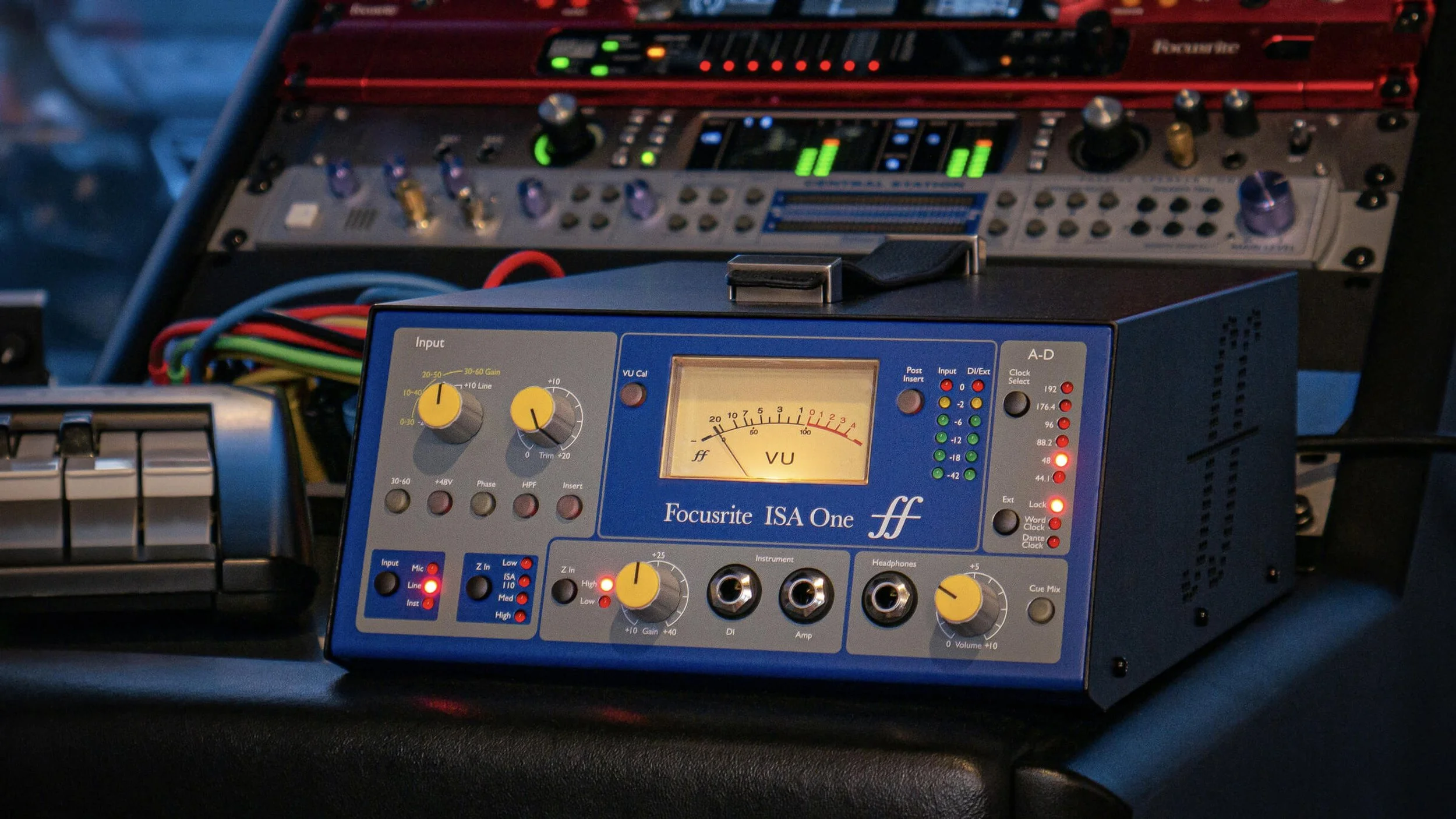
The Focusrite ISA One is built around Rupert Neve’s original ISA transformer design and has earned a reputation for delivering extremely clean gain with subtle musical weight. It offers up to 80 dB of gain, making it excellent for low-output dynamics like an SM7B without needing a booster. The selectable impedance settings allow you to fine-tune how your microphone responds, which can subtly shape tone and transient behavior.
Sonically, the ISA One is controlled and open rather than hyped. It doesn’t smear detail or exaggerate warmth; instead, it adds a sense of solidity and depth. The optional onboard DI input is particularly strong for bass and synth tracking. For creators who want clarity with just a touch of transformer personality, this is one of the safest and most versatile mid-tier choices.
Behringer 676 — Single-Channel Tube Pre + FET Compressor Pick
The Behringer 676 combines a tube-based mic preamp with a FET-style compressor inspired by classic studio circuits. This pairing makes it more than just a clean gain stage — it’s a tracking channel strip designed to shape tone and dynamics before your signal reaches the DAW.
The tube stage introduces harmonic richness when pushed, while the compressor can control peaks in a musical way, especially on vocals and bass. It’s not a boutique recreation, but it delivers genuine workflow benefits: you can track with character and control rather than relying solely on plugins later. For home producers who want analog-style tone shaping at the source, this is a compelling mid-range option.
Warm Audio WA-2MPX — Dual-Channel Tube Character Pick
The Warm Audio WA-2MPX is a dual-channel, all-tube design inspired by classic tape-era recording chains. It focuses on transformer-driven tone, tube saturation, and harmonic depth rather than surgical transparency. With high-voltage tube operation and output transformers, it delivers a thicker, more dimensional sound compared to entry-level tube designs.
This preamp excels on vocals, guitars, and synths when you want warmth and density baked in at the tracking stage. It also provides DI inputs for instruments, making it versatile for hybrid setups. If your goal is unmistakable character rather than pristine neutrality, the WA-2MPX brings that analog imprint in a way budget units simply can’t.
JHS Colour Box V2 — Creative Flavour / Character Alternative
The JHS Colour Box V2 occupies a different lane. It’s technically a single-channel preamp inspired by classic console circuitry, but it behaves more like a creative saturation tool than a transparent gain stage. It offers mic-level gain, EQ shaping, and the ability to push the circuit into audible coloration.
Used subtly, it can add console-style presence to vocals or synths. Pushed harder, it becomes gritty, aggressive, and distinctly “produced.” This isn’t the pick for ultra-clean classical recordings — it’s for creators who want character first. If you think of your preamp as a tone box rather than a utility device, this one fits that mindset.
What to Look For in a Hardware Preamp
Gain & Noise Floor - If you’re using low-output dynamic microphones like an SM7B or similar broadcast-style mics, gain structure matters more than brand name. Look for preamps offering 60–80 dB of clean gain without introducing hiss. Noise floor performance becomes especially noticeable in quiet vocal recordings or spoken-word work. A preamp that runs out of clean headroom forces you to add boosters or push noisy stages harder than necessary.
Character vs Transparency - Some preamps are designed to disappear. Others are designed to shape tone. Clean solid-state units preserve transient clarity and detail, while transformer- or tube-based designs introduce harmonic saturation, subtle compression, and density. Neither approach is “better.” It depends on whether you want the color printed at tracking or prefer shaping tone later inside your DAW.
Channel Count - For most home studios, one or two channels is the sweet spot. One channel works if you record vocals or instruments individually. Two channels make sense for stereo synths, acoustic guitar pairs, drum overheads, or vocal + instrument simultaneously. Buying more channels than you use rarely makes sense in a solo setup.
Connectivity & DI Inputs - If you record guitar, bass, or hardware synths, check for dedicated DI inputs. A quality DI stage can dramatically improve low-end clarity and transient response compared to plugging directly into an interface. Also consider insert points, impedance options, and metering — small features that improve workflow.
Build Quality & Value - At higher price points, improvements become more subtle. Premium components often mean better durability, lower long-term noise drift, and smoother controls, but they don’t magically fix room acoustics or mic choice. Understanding diminishing returns prevents overspending where it won’t meaningfully improve your recordings.
Workflow - Ask yourself whether you want coloration during tracking or a neutral front end. Some producers prefer printing tone early for decisiveness. Others track clean and shape later with plugins. Your preamp choice should align with how you actually work — not just how high-end studios operate.Getting Preamp Sound In-The-Box (3 paragraphs total)
Getting Preamp Sound In-The-Box
Modern DAW workflows have made it entirely possible to capture convincing preamp character without dedicated hardware. Today’s plugin modelling can recreate transformer saturation, tube harmonics, console midrange push, transient rounding, and subtle non-linear compression with impressive realism. While hardware still has tactile and electrical advantages, software has closed much of the tonal gap — especially in untreated home environments where room acoustics often dominate the final sound anyway.
Some of the strongest preamp-style plugins include the UAD Manley Tube Preamp and the Helios Type 69 for transformer-driven British tone; Arturia Pre 1973, Arturia Pre TridA, and Arturia Pre V76 for classic console flavors; Waves Scheps 73 for accessible Neve-style color; Soundtoys Radiator for tube warmth and saturation; Softube Console 1 preamp models for integrated workflow. If you prefer a free plugin (and who doesn’t) I’d recommend Analog Obsession’s stuff, like the BritPre and the TuPre.
“In-the-box” preamps make the most sense for mobile producers, headphone-based mixers, and creators who prefer flexibility over commitment. If your workflow revolves around building tone inside the mix rather than printing it on the way in, plugins now capture roughly 80–90% of the analog vibe at a fraction of the cost and space. For many home studios, that trade-off is more than reasonable.
Final Words
Choosing the right preamp really comes down to where you are in your setup. Budget options make sense for beginners and solo creators who simply want cleaner gain and more control than their interface provides. Mid-range units serve intermediate creators who want either more headroom or intentional colour baked into their recordings. High-end preamps are long-term tools — ideal for serious home studios with treated rooms, quality microphones, and a clear sonic direction.
A preamp should enhance your existing chain, not compensate for weak links. Microphone choice, room acoustics, and source performance often shape the final result more dramatically than the preamp itself. When those fundamentals are solid, the right preamp becomes the finishing piece — adding clarity, weight, or personality exactly where you need it.
Disclosure: This site contains affiliate links. If you purchase through these links, I may earn a commission at no extra cost to you.