
SH-101 Clones: The Top Hardware Synths That Nail the Classic Retro Sound
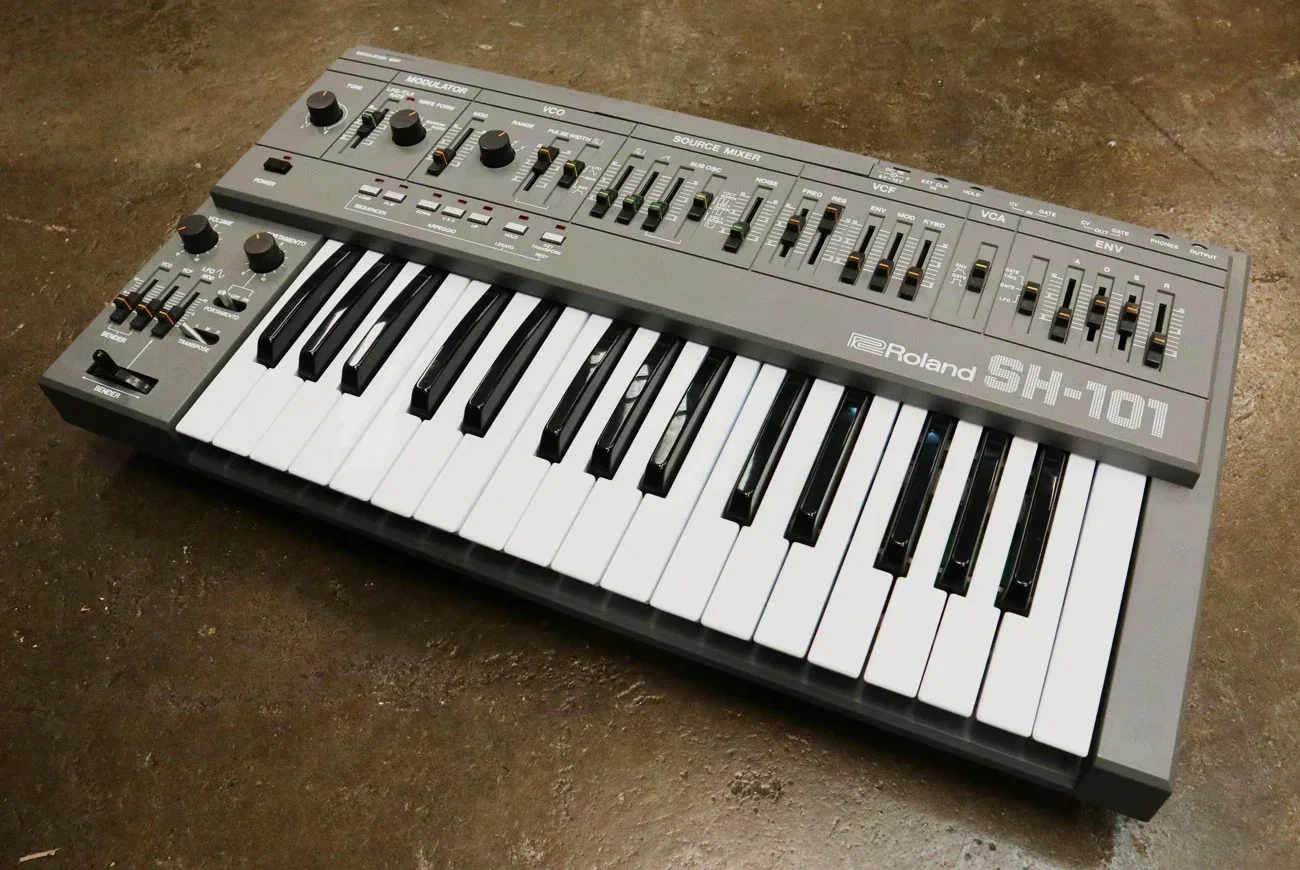
Few synths have a sonic identity as instantly recognizable as the Roland SH-101. Released in 1982, its single-oscillator architecture, rubbery filter, and punchy envelope made it a secret weapon in early house, techno, and rave. Decades later, producers still chase that same snappy bass, squelchy resonance, and playful immediacy — not just because it sounds great, but because the workflow encourages bold, uncomplicated ideas. The original units are now expensive and aging, which has pushed a new wave of hardware to bring the 101 spirit into modern studios without the vintage tax. Today’s SH-101 clones range from near-perfect analog recreations to compact digital interpretations to synths that borrow the core flavor while adding their own personality. Whether you’re after authentic circuitry, a portable live tool, or a modern twist on that iconic tone, there’s a hardware option that fits your sound and your setup. The list below focuses on the very best of them — the ones that capture the character, the quirks, and the creative immediacy that made the SH-101 a classic in the first place.
Disclosure: This site contains affiliate links. If you book or purchase through these links, I may earn a commission at no extra cost to you. This helps support the site and keeps my content free. As an Amazon Associate, I earn from qualifying purchases.
Behringer MS-1
The Behringer MS-1 is the closest thing today to a true SH-101 replacement — not just sonically, but philosophically. It mirrors the classic single-oscillator setup with a 3340 VCO, a sub-oscillator, and mixable waveforms that behave just like the original. The filter has the same rubbery bite, the envelopes snap cleanly, and the whole synth encourages that hands-on, immediate style of programming people love about the 101. It even brings back the keytar handle if you want the full retro performance vibe. For producers who want the SH-101 sound without hunting down a vintage unit, the MS-1 gets surprisingly close while keeping the workflow almost identical.
What makes the MS-1 particularly appealing is how it fits into modern setups without losing its character. MIDI implementation is solid, build quality is better than many expect, and the tuning stability is drastically improved compared to the 1980s units. The sequencer is simple but fun, the modulation options are faithful, and the synth takes processing extremely well — distortion, chorus, reverb, whatever. It’s not a perfect clone (nothing ever is), but it gets you far enough into SH-101 territory that most people won’t hear the difference in a mix. For anyone chasing that iconic punchy bass or bright, expressive lead, this is one of the most convincing and affordable ways to get there.
Check price here
Roland SH-01A
The Roland SH-01A is the company’s own modern reimagining of the SH-101, rebuilt using their ACB (Analog Circuit Behavior) technology. Instead of going for a strict analogue recreation, Roland focused on capturing the behavior of the original circuitry while adding features that make the instrument far more flexible. The result is a compact, portable synth that nails the signature 101 tone with surprising accuracy—snappy envelopes, round sub-oscillator weight, and that unmistakable rubbery filter. It also offers polyphonic, unison, and chord modes, turning what was once a monophonic bass-and-lead machine into a surprisingly versatile studio tool.
What really sets the SH-01A apart is workflow. The Boutique format keeps everything immediate and hands-on, and patch memory brings the one thing the original 101 never had: recall. It’s perfect for producers who want classic 101 sound without dedicating space to another big slab of analog hardware, and it’s especially appealing for live musicians who want something small and predictable on stage. While purists may insist analog clones get a tiny bit closer, the SH-01A delivers the vibe with clarity, stability, and Roland’s own stamp of authenticity. It isn’t a clone — it’s the official digital successor.
Check price here
Roland Tweak Synth S-1
The Roland Tweak Synth S-1 isn’t a strict SH-101 clone, but it’s absolutely built on SH-101 DNA. Roland lifted the original 101 architecture — single oscillator with mixable waves, sub-oscillator, classic filter, fast envelopes — and rebuilt it in a compact, battery-powered, ultra-portable form using their modern digital engine. It has the same spirit as the SH-01A, but wrapped in a smaller, more hands-on groovebox format with extra tricks the vintage unit could never dream of. The S-1 can create unmistakably 101-style basslines and leads, and its ACB modeling captures that bouncy, rubbery Roland filter with surprising accuracy considering the size and price.
Where the Tweak S-1 stands out is in the creative features layered on top of the classic sound. You get step painting, motion recording, advanced sequencing, chord and arpeggiator modes, plus effects and wave-shaping tools that can push the 101 sound into totally new territory. It’s not trying to be a purist recreation — it’s a portable, modern reinterpretation designed for quick ideas, sketching riffs, and building sequences without stopping the flow. If you love the 101 tone but want something far more playful and on-the-go, the S-1 is one of the most fun and accessible ways to get into that world while still keeping the Roland character intact.
Check price here
Donner Essential L1
The Donner Essential L1 is one of the most surprising entries in the SH-101 clone world — a genuinely capable analogue monosynth that captures the 101’s architecture and vibe at a much lower price point. With a single VCO, mixable waves, a sub-oscillator, and a filter that leans into that classic rubbery resonance, the L1 clearly takes its inspiration from the original Roland design. The layout is familiar, the envelope is fast, and the synth has that simple “set it and go” immediacy that makes 101-style instruments so fun to play. For beginners or producers on a budget, the L1 delivers a shockingly authentic introduction to the SH-101 sound without feeling like a toy or a compromise.
What makes the Essential L1 compelling is how usable it is in a modern setup despite its price. The build is solid, the control panel is intuitive, and the synth responds well to processing — drive it into a distortion, chorus, or delay, and it opens up in a satisfying way, just like a vintage 101. It’s not a perfect recreation, and more expensive clones will get closer in terms of filter character and low-end thickness, but the L1 hits a sweet spot: affordable, musical, and unmistakably 101-flavored. If you want that punchy, acidic monosynth energy without committing to a more expensive clone, the Essential L1 is absolutely worth considering.
Check price here
Malekko Manther
The Malekko Manther takes clear inspiration from the SH-101 but filters it through a more experimental, groovebox-oriented lens. Its analogue voice architecture carries the same single-oscillator plus sub foundation, and the filter has that squelchy, wet quality that fans of the 101 will immediately recognize. But instead of replicating the classic layout, Malekko wrapped the sound engine in a sequencer-driven desktop format, giving it a very different personality. The Manther is gritty, characterful, and slightly unpredictable in the best way — more of a creative machine than a faithful clone, built for shaping patterns and textures rather than simply playing basslines and leads.
Where the Manther really shines is in the way it pushes you toward ideas you wouldn’t have come up with on a standard monosynth. The sequencer, modulation options, and hands-on workflow make it a playground for left-field lines, broken bass riffs, and evolving sequences. Some users find the interface quirky, others find it inspiring, but nobody can deny it has a distinct voice. If you want SH-101 DNA with a more adventurous twist — something that can handle traditional roles but also drift into glitchy, techno-leaning territory — the Manther stands out as one of the most creative takes on the 101 formula.
Check price here
Novation Bass Station II
The Novation Bass Station II isn’t a SH-101 clone, but it deserve its place on this list because it captures a similar spirit while offering far more flexibility. With dual oscillators, a sub-oscillator, and a choice between classic and acid filter modes — the latter clearly nodding toward the SH-101/TB-303 flavor — it can deliver those snappy basslines and bright, expressive leads that 101 fans love. The envelopes are fast, the filter growls beautifully when pushed, and the synth has that immediate, hands-on workflow that makes it easy to dial in familiar tones. It’s not trying to be a 1:1 replica, but it shares enough sonic DNA that it often gets mentioned in the same breath.
What sets the Bass Station II apart is how much more it can do beyond the 101 sound. The modulation options are deeper, the keys feel solid, and features like aftertouch, patch memory, a built-in arpeggiator, and an excellent step sequencer make it a true workhorse. It’s capable of modern, aggressive tones the original SH-101 could never touch, making it ideal for producers who want the character of a classic mono synth but don’t want to be boxed into a vintage workflow. For those who like the idea of a 101-adjacent sound but want extra range, the Bass Station II is arguably the best value on the list.
Check price here
VST Options for the SH-101 Sound
If you want the SH-101 sound in your DAW, the most direct option is the Roland SH-101 VST. It uses Roland’s ACB modeling to recreate the original circuitry and nails the trademark snappy envelopes, rubbery filter movement, and thick sub-oscillator tone. It’s the “official” digital version and mirrors the hardware workflow closely.
TAL-BassLine-101 is the other major choice, and many producers feel it actually behaves closer to a well-calibrated vintage unit than Roland’s own plugin. The filter is lively, the envelope response feels right, and it drops into a mix with minimal effort. If you want a dead-simple, extremely faithful SH-101 without extra features or subscriptions, this is the one.
For a modernized but still accurate approach, Softube Model 82 is a high-quality SH-101 emulation built with Softube’s analog-modeled engine. It captures the same single-oscillator architecture, sub-oscillator heft, and snappy response of the original, but adds conveniences the hardware never had: a flexible step sequencer, enhanced modulation options, and subtle stereo/drive tools that make it easier to produce with.
Final Words
The SH-101 has survived four decades because it strikes a rare balance: simple enough to be intuitive, distinctive enough to be iconic, and flexible enough to fit into almost any genre. The modern hardware clones reflect all of that in different ways. Some aim for perfect authenticity, others reinterpret the sound with added features, and a few twist the 101 formula into something more experimental. What matters most is choosing the version that aligns with how you like to make music — whether that means hands-on tweaking, tight DAW integration, portability, or absolute vintage accuracy.
Every synth on this list can get you into the SH-101 world, but they all open the door from a slightly different angle. The MS-1 gives you the closest analogue experience, the SH-01A is compact and modern, the Essential L1 brings impressive value, the Manther invites creative sequencing, the boutique models deliver authenticity, and the Bass Station II offers a 101-adjacent sound with far more range. None of them replace the original, but each one brings the spirit of the 101 into 2025 in a way that feels alive, usable, and inspiring — and ultimately, that’s what made the SH-101 a classic in the first place.
Disclosure: This site contains affiliate links. If you book or purchase through these links, I may earn a commission at no extra cost to you. This helps support the site and keeps my content free. As an Amazon Associate, I earn from qualifying purchases.