
Serum 2 vs. u-he Diva: Which One Should You Buy?
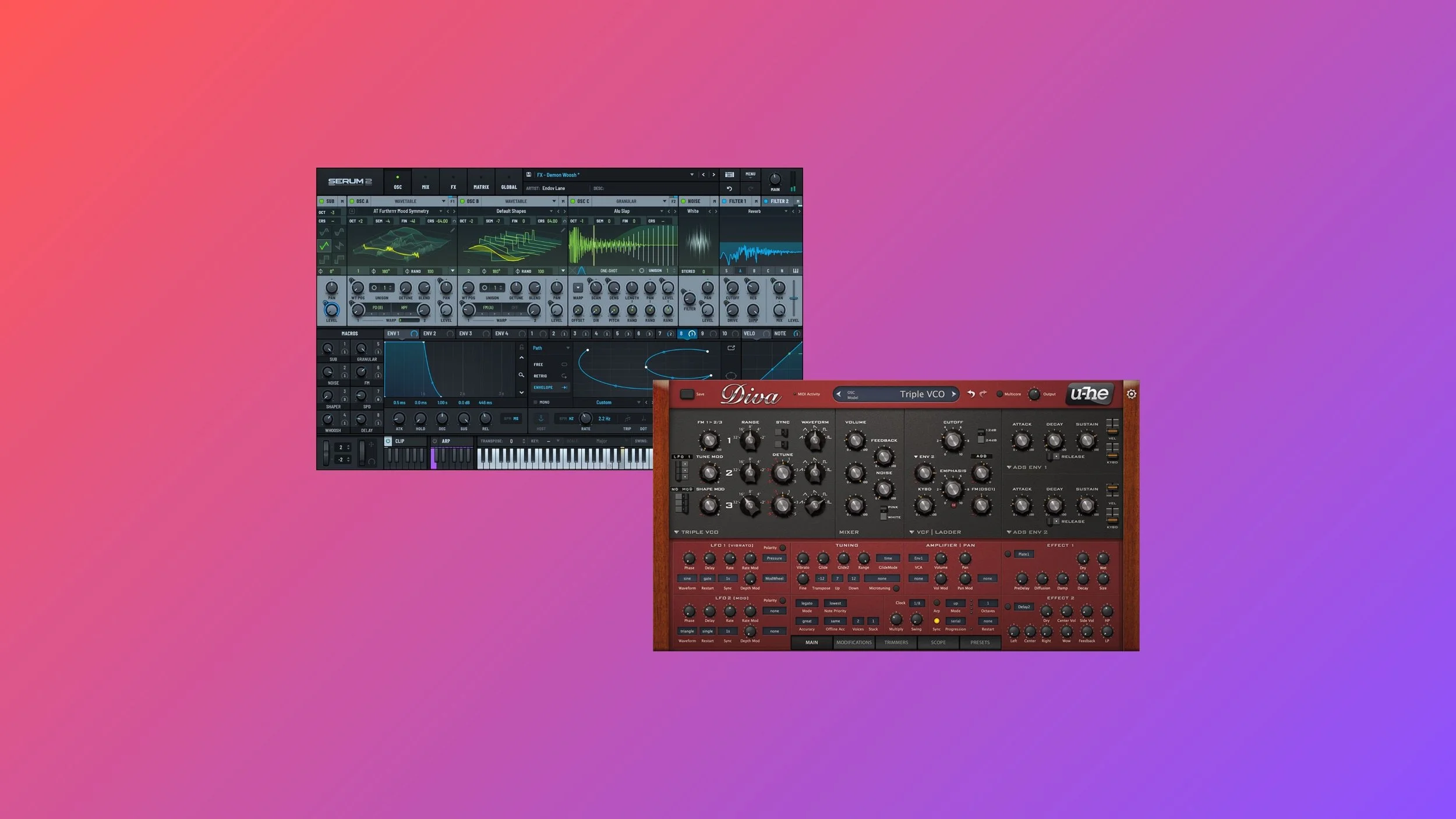
There are a few plugin debates in electronic music production that never really go away, and the Serum vs. Diva question is one of them. It’s almost a personality test at this point: do you want futuristic digital power that bends waveforms into neon-soaked chaos, or do you crave that unmistakable analog weight—the kind that feels like warm circuitry breathing under your track? These days, dance music’s gone maximal and textural at the same time, trap and hyperpop producers are blending glossy digital scream-synths with gooey emotional pads, and cinematic electronic scores are everywhere. These two synths sit right in the center of that evolution, each pulling the music world in its own direction. What makes this comparison fun is that it isn’t really about which synth is “better”—they’re both modern classics. The real question is which one you should pick up first if you’re building a serious sound design toolbox. Serum 2 pushes the future of electronic production, all glass-sharp modulation and glitchy brilliance. Diva feels like the past in the best possible way—warm, fat, human, dripping with character. They’re different energies entirely, and depending on the kind of producer you are (or the producer you want to become), the choice isn’t just technical—it’s emotional. So let's break it down in a way that actually helps you: what each synth does best, how they feel to work with, and which one will move your music forward right now.
The Lowdown
If you’re the kind of producer who gets excited by modulation routings, evolving textures, and the idea of literally drawing your sound into existence, start with Serum 2. It’s a futuristic engine built for movement, clarity, and sonic aggression. Think hyperpop leads, ripping basses, shimmering pads, cinematic textures, synthetic choirs, glitch experiments—anything where precision and mutation matter. Serum gives you immediate control over harmonics and motion, and in 2025 it still feels like the default instrument for producers who want their sound to punch through the noise and feel unmistakably “now.”
If you want your synth to feel alive the moment you touch a key, go Diva first. You buy it for weight, for warmth, for that intangible feeling of electricity humming beneath every note. Diva doesn’t need coaxing to sound emotional or expensive—it just is. Pads melt, basses feel rounded and physical, leads sound like retro-future romance and neon romance in one patch. If you’re making techno, house, ambient, dream-pop, cinematic electronic music—or honestly anything that benefits from soul and warmth—Diva will make your tracks feel like they already passed through an analog chain.
In a sentence?
There’s no wrong choice here, but there is a right one for the stage you’re at and the sound you’re chasing. Let’s get into why.
What Each Plugin Is
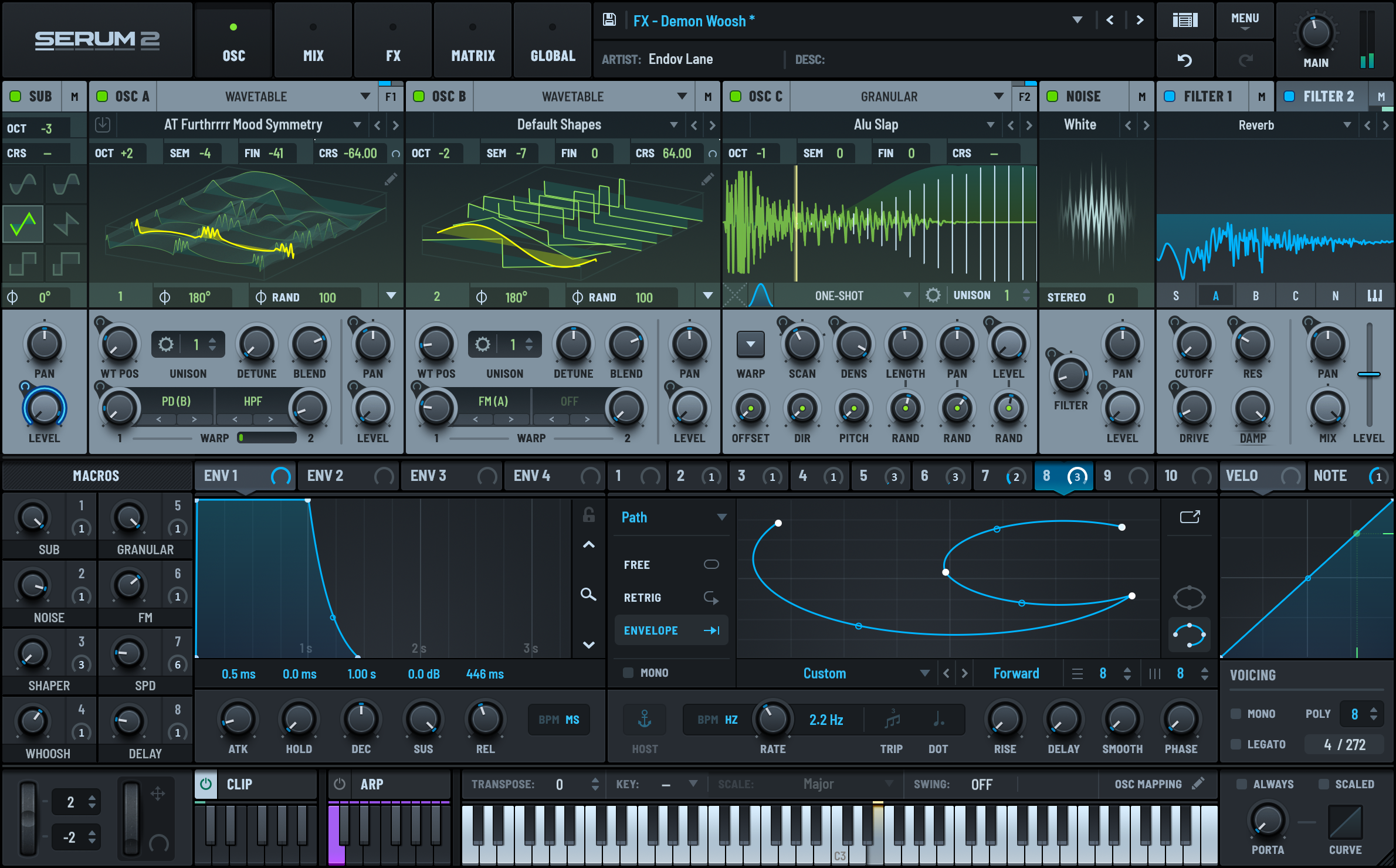
What Is Serum 2?
Serum 2 is the evolution of one of the most influential synths in modern production. The original Serum basically became the blueprint for digital sound design — those glassy wavetable sweeps, ripping bass growls, airy pads, glitchy leads, and all the modulation tricks that shaped EDM, trap, hyperpop, cinematic scores, and more.
Serum 2 takes that foundation and pushes everything forward. You get deeper synthesis options, expanded oscillator modes, more flexible FX routing, and a workflow that feels even smoother and faster than before. It’s still that visual, hands-on playground for shaping harmonics and motion, except now it’s way more capable. If your sound lives in the world of futuristic textures, evolving tones, and high-definition digital weirdness, Serum 2 is the tool that encourages experimentation and rewards curiosity.
In other words: Serum 2 is the “design your own universe” synth — modern, sharp, and endlessly tweakable.
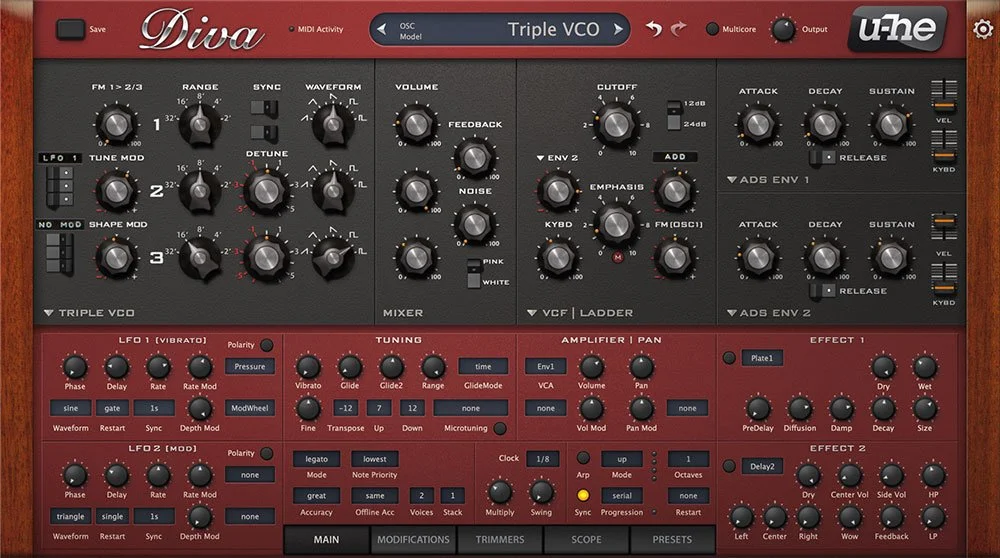
What Is u-he Diva?
Diva is a different philosophy entirely. Instead of pushing synthesis into sci-fi territory, it focuses on capturing the soul of classic analog hardware — not in a nostalgic way, but in a way that feels alive, organic, and emotionally rich. It models iconic circuits with such warmth and depth that you almost forget you’re using software.
Pads swell with texture, basses feel weighty and physical, and leads carry this creamy, expressive tone that instantly adds mood to a track. Nothing feels brittle or digital; it’s like there’s electricity under the notes, the kind of character that makes you want to play instead of program.
Diva isn’t trying to be everything — it’s trying to be authentic, musical, and timeless. If you love synth music that feels intimate, emotional, and full of life, this is where that sound begins.
Sound & Synthesis Approach
Serum 2 — Futuristic Digital Precision
Serum 2 gives you a clear, flexible workspace for shaping sound. You’re not just loading presets — you can adjust individual harmonics, reshape waveforms, layer sources, and build modulation in a way that stays easy to follow. The interface makes the deeper features feel accessible instead of overwhelming. Its oscillators are clean and precise, the distortion options stay controlled, and the synthesis engine naturally lends itself to evolving motion — subtle wobbles, smooth morphs, rhythmic shifts, or more experimental digital textures.
Its personality leans futuristic: glassy, energetic, dynamically shifting, and unapologetically synthetic in the best way. Serum isn't trying to imitate vintage circuits — it’s celebrating modern sound design. If you want to build textures that evolve like in a dream, basses that tear open a mix, or pads that shimmer with movement, Serum gives you the tools and the playground to get weird, go deep, and stay polished.
Diva — Organic Analog Weight
Diva comes from the opposite design philosophy. Instead of precision sculpting, it works like an instrument — you dial in your tone, and it just sings. There’s a natural sag, saturation, and warmth to everything it does. Oscillators feel thick and imperfect in a pleasing way, filters bloom and breathe, and every patch feels like it’s alive in the signal chain, reacting to your playing more than your programming. Even simple patches sound soulful. You don’t need to drown it in processing to make it interesting — its character is built-in.
If Serum is neon and chrome, Diva is warm bulbs and brushed metal. It nails that classic “proper synth” feeling where a single sustained note can already feel like music. Pads become emotional beds, basses sit in the mix with weight and confidence, and leads feel human, expressive, even intimate. Diva doesn't shout — it resonates.
Preset Ecosystem & Community
Serum 2 — Endless Libraries & Constant Innovation
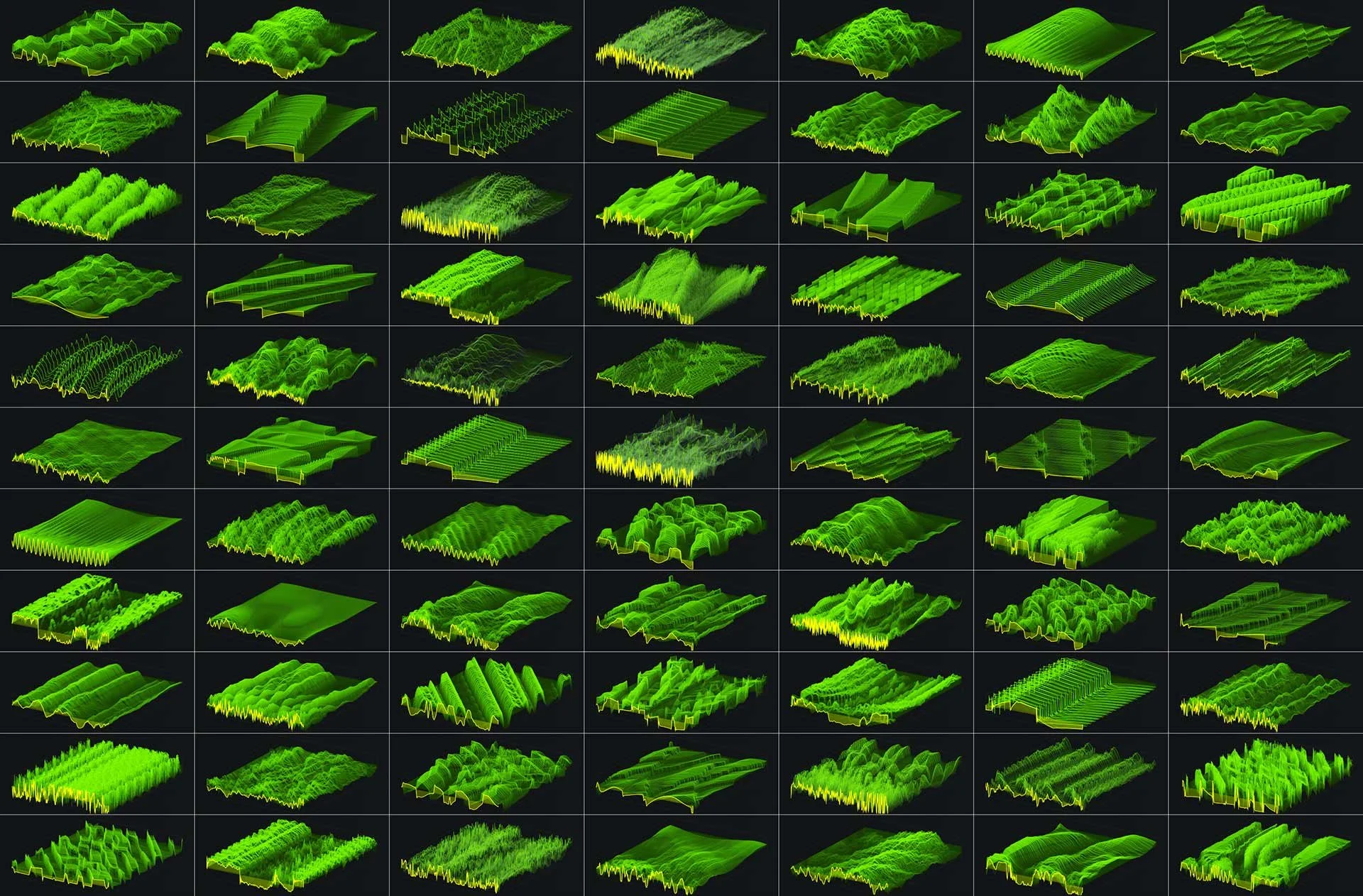
Serum has a fantastic ecosystem fed by a devoted community of synth-heads. There are gigantic preset packs, boutique sound designers, Patreon creators, YouTubers building free banks, Discord communities sharing patches, TikTok sound-design gurus pushing meme-synth culture — it's everywhere. If a new micro-genre pops up on SoundCloud, chances are someone releases a Serum pack for it within a week.
What makes the preset world so addictive is not just the quantity but the breadth. Hyperpop laser leads, metallic FM basses, atmospheric pads, trap 808 layers, cinematic swells, industrial screeches — there’s a patch for every mood. And because Serum is transparent in how it builds sound, presets are also learning tools. You open a patch and instantly see the routing and modulation that makes it tick. Even if you're not a hardcore sound designer, Serum makes you feel like one.
Diva — Fewer Presets, Richer Character
Diva's community works differently. It doesn’t have a comparable volume of packs, but what it lacks in quantity it makes up for in depth and taste. Many Diva banks feel curated, almost artisanal — lush pads, throbbing techno basses, dusty synth-pop keys, cinematic swells. You get sounds that feel like they're already mixed, already musical, already glowing with warmth before you touch a single plugin after it.
Producers who love Diva often treat presets the way synth heads treat vinyl — curated finds, secret gems, little worlds of character tucked away in folders. And while you can absolutely design your own patches, Diva’s beauty is that you rarely need to push far. Its raw tone is the foundation. A simple saw wave and filter tweak can sound more expensive than a 50-mod-slot patch in something else.
Alternatives to Consider
Arturia Pigments is a dream if you want a single synth that can bounce between Serum-style digital sparkle and Diva-style analog tone. It combines wavetables, virtual analog, sampling, and granular engines in one interface, and its modulation system is both visual and inspiring. If you like moving between hyper-modern textures and warm, evolving pads, Pigments gives you that flexibility without feeling overwhelming.
Vital is a great entry point into the wavetable world, offering a similar visual and modulation-heavy workflow to Serum — especially if you’re starting out or experimenting on a budget. It’s capable and fun, but its sound engine and effects don’t quite match the polish and punch of Serum 2. Think of it as the “try before you buy a flagship wavetable synth” option.
Omnisphere is the heavyweight choice for cinematic, atmospheric, and textural sound design, living more in the world of scoring and ambient production than EDM or club-driven patch work. It’s massive, lush, and endlessly deep, making it ideal if you want evolving pads, organic layers, hybrid tones, or anything emotionally rich and immersive.
u-he Repro is the darker, moodier companion to Diva — another u-he synth with a more vintage, character-driven focus. It leans into gritty basses, dusty pads, and hypnotic sequences, making it feel perfect for underground techno, synthwave, and ambient. If Diva is polished hardware warmth, Repro is the rawer hardware corner of the same universe.
Serum VS Diva: Which Synth Is Right For You?
If you had to pick just one right now, your choice really comes down to the world you're trying to build.
If your workflow thrives on motion, manipulation, and precision, start with Serum 2. It pushes you toward bold ideas and futuristic soundscapes — the kind of tones that twist, evolve, and hit with clarity. If you love sculpting sound, experimenting with modulation, and making synth patches feel hyper-alive, Serum 2 will never stop giving you new directions to explore. It’s the kind of synth that turns “what if?” into a daily habit.
If your music leans toward warmth, emotional tone, and classic synth weight, start with Diva. It rewards intuition and feel — you play it, you listen, you adjust, and you’re there. No wrestling, no overthinking, just instant depth and character. Diva fits into tracks like it was recorded through real circuits because that’s the energy it brings: musicality and presence straight out of the gate.
Ultimately, Serum might be more flexible and offer more possibilities on all fronts, but Diva is a bit more immediate, and easier to wrap your mind around.
The truth is, most producers eventually want both. Serum 2 gives you a modern synthetic vocabulary; Diva gives you timeless musical soul. Together, they cover almost every corner of electronic tone — clean and futuristic on one side, warm and alive on the other.
But if we’re drawing the line?
Either way, you're not making a “safe” choice — you're picking a direction for your sound. And whichever path you go down first, it’s going to shape how your music grows.
Disclosure: This site contains affiliate links. If you purchase through these links, I may earn a commission at no extra cost to you.