
Korg Minilogue XD: Is This Polyphonic Synth Still Relevant?
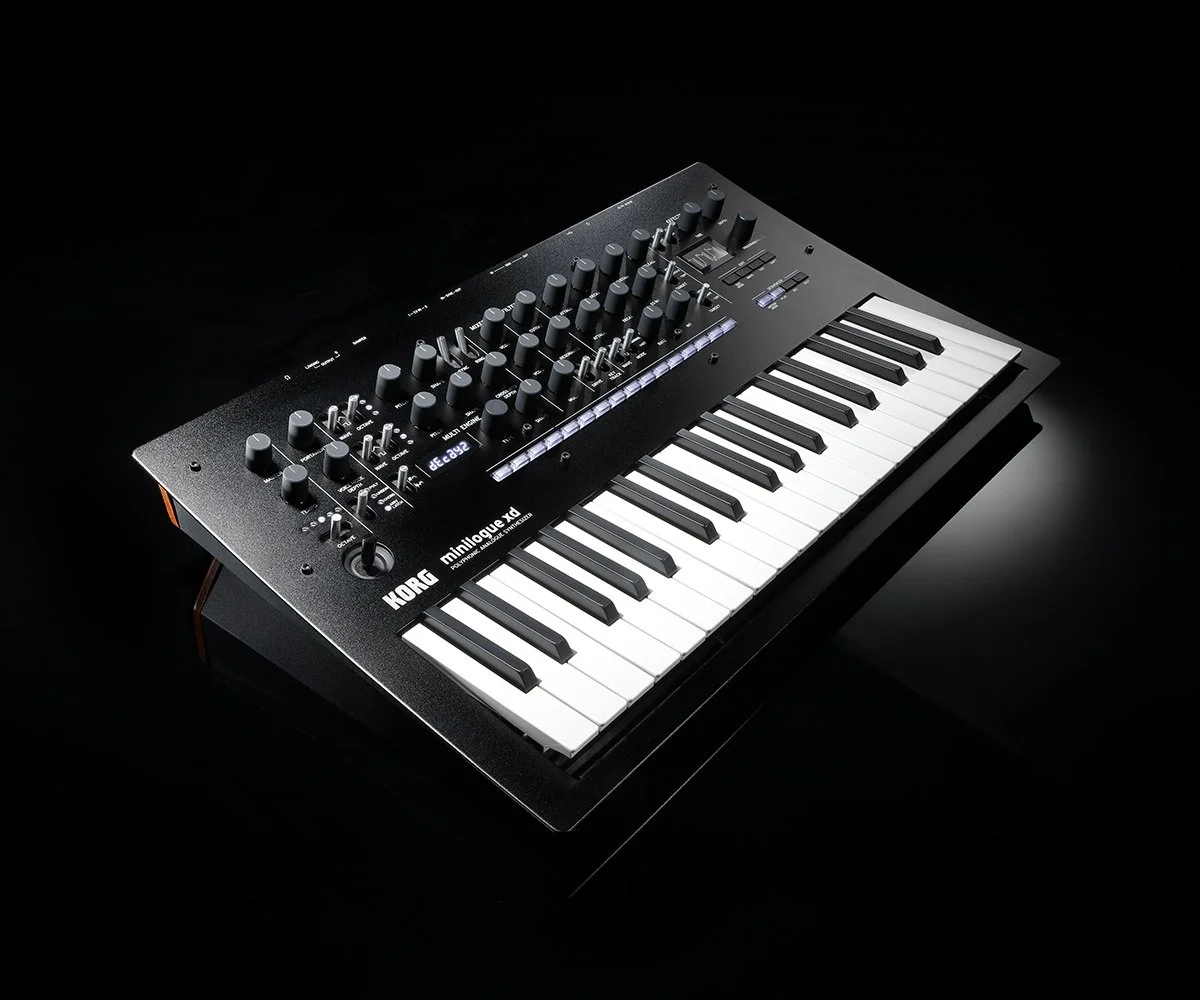
The Korg Minilogue XD sits in an interesting spot in Korg’s modern lineup. It builds on the success of the original Minilogue, but pulls in ideas from the more expensive Prologue series—most notably the hybrid engine approach and a much deeper effects section. Years after its release, it’s still widely used in studios and live setups, which raises a fair question: is it still relevant now, or has it been overtaken by newer polysynths? This review looks at the Minilogue XD as a working instrument, not a nostalgia piece or a spec-sheet flex. The focus is on how it actually sounds, how it behaves in real sessions, and what it feels like to live with over time. Any subjective impressions are clearly framed as experience-based, and all technical details are grounded in confirmed information from Korg and reputable reviews.
TL;DR (max 4–5 bullets)
4-voice hybrid polysynth combining analog VCOs with a digital Multi Engine
Distinct, characterful sound that balances warmth with modern edge
Hands-on workflow suited to both studio writing and live performance
Expandable via Logue SDK, extending its lifespan beyond stock features
Still competitive today, but with clear tradeoffs depending on your needs
What It Is
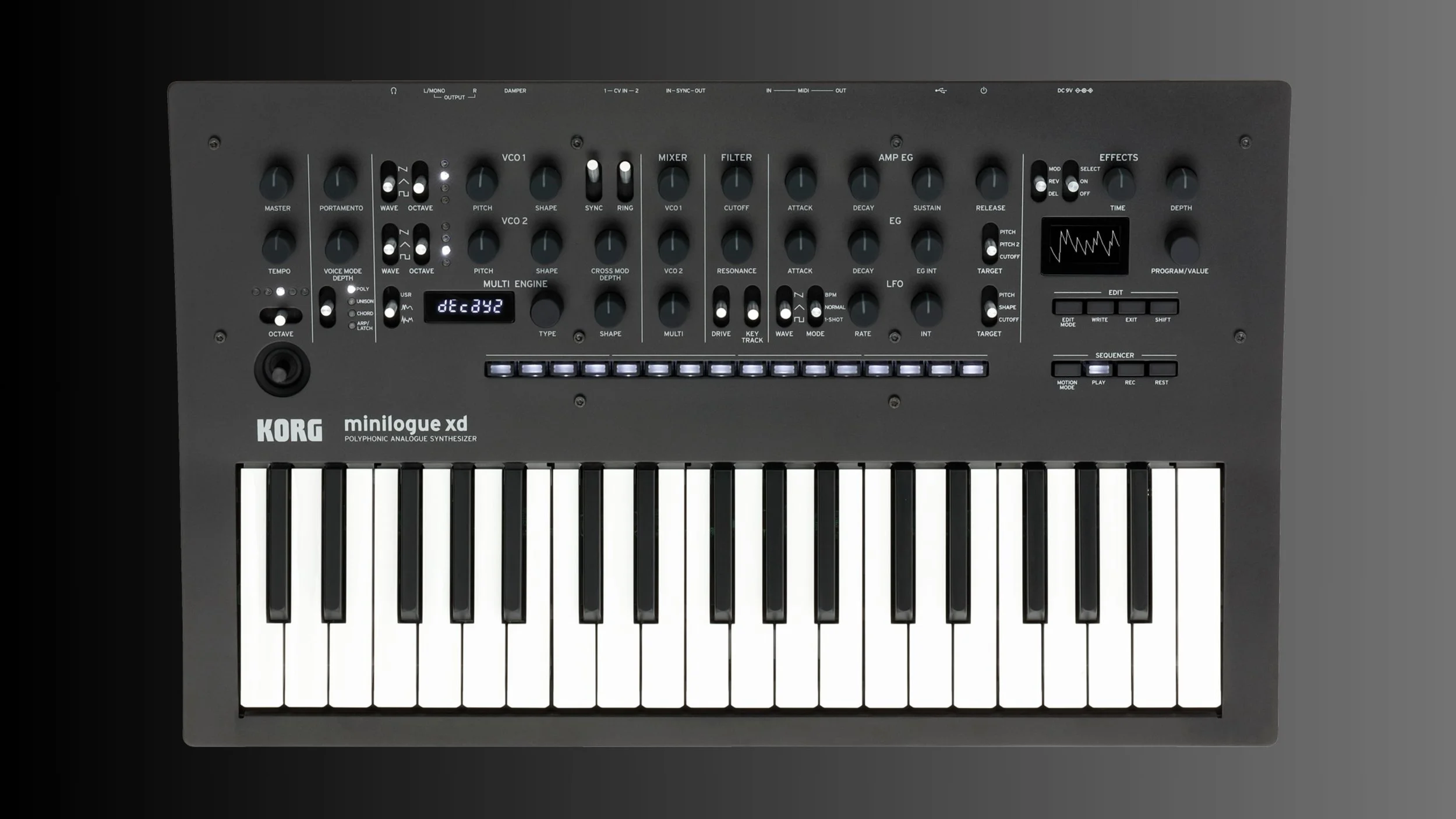
The Korg Minilogue XD is a 4-voice hybrid polyphonic synthesizer designed to sit between entry-level analog polys and more complex, higher-priced instruments. At its core, it combines two analog VCOs per voice with a third digital Multi Engine, giving it a foot in both classic subtractive synthesis and more modern digital territory. This hybrid structure is paired with a fully polyphonic 16-step sequencer, onboard effects, and a compact 37-key slim keyboard, positioning it as a self-contained instrument rather than a module or controller-first synth.
What separates the Minilogue XD from many synths in its price and size range is its role as a platform, not just a fixed architecture. Through Korg’s Logue SDK, users can load custom oscillators and effects, extending the instrument well beyond its factory configuration. In practical terms, that means the Minilogue XD isn’t locked to one sonic identity or era—it’s built to evolve, whether used as a straightforward analog poly, a hybrid sound design tool, or a flexible performance synth that adapts to different setups and styles.
How It Sounds
Sonically, the Minilogue XD leans toward a clean but characterful palette rather than overt vintage grit. The analog oscillators have a controlled, slightly polished quality that stays stable across the keyboard, while the filter adds weight without immediately collapsing into distortion. Pushed gently, it delivers warm pads, rounded basses, and articulate plucks; pushed harder, especially with drive and effects engaged, it can tip into sharper, more aggressive territory without losing clarity. It doesn’t chase “old synth nostalgia” as much as it aims for something modern that still feels tactile.
The real tonal wildcard is the digital Multi Engine, which expands the instrument’s range in ways the raw analog path alone wouldn’t. Metallic textures, glassy harmonics, and digital motion sit comfortably alongside the analog core, rather than feeling bolted on. That said, the Minilogue XD has limits: it won’t overwhelm you with massive, evolving polyphonic density, and its four voices can feel restrictive for sustained chords with long releases. Within those boundaries, though, it rewards intentional sound design, especially for parts that benefit from precision, movement, and contrast rather than sheer size.
Workflow and Real-World Use
In day-to-day use, the Minilogue XD favors immediacy over depth-diving. Most core parameters are available directly on the panel, which makes it easy to shape ideas quickly without breaking focus. The layout encourages experimentation: small adjustments to oscillator balance, filter drive, or modulation routing can noticeably change a patch, and the synth responds well to hands-on tweaking. For writing sessions, it tends to stay out of the way—you can sketch a sound, sequence it, and move on without getting pulled into menu friction.
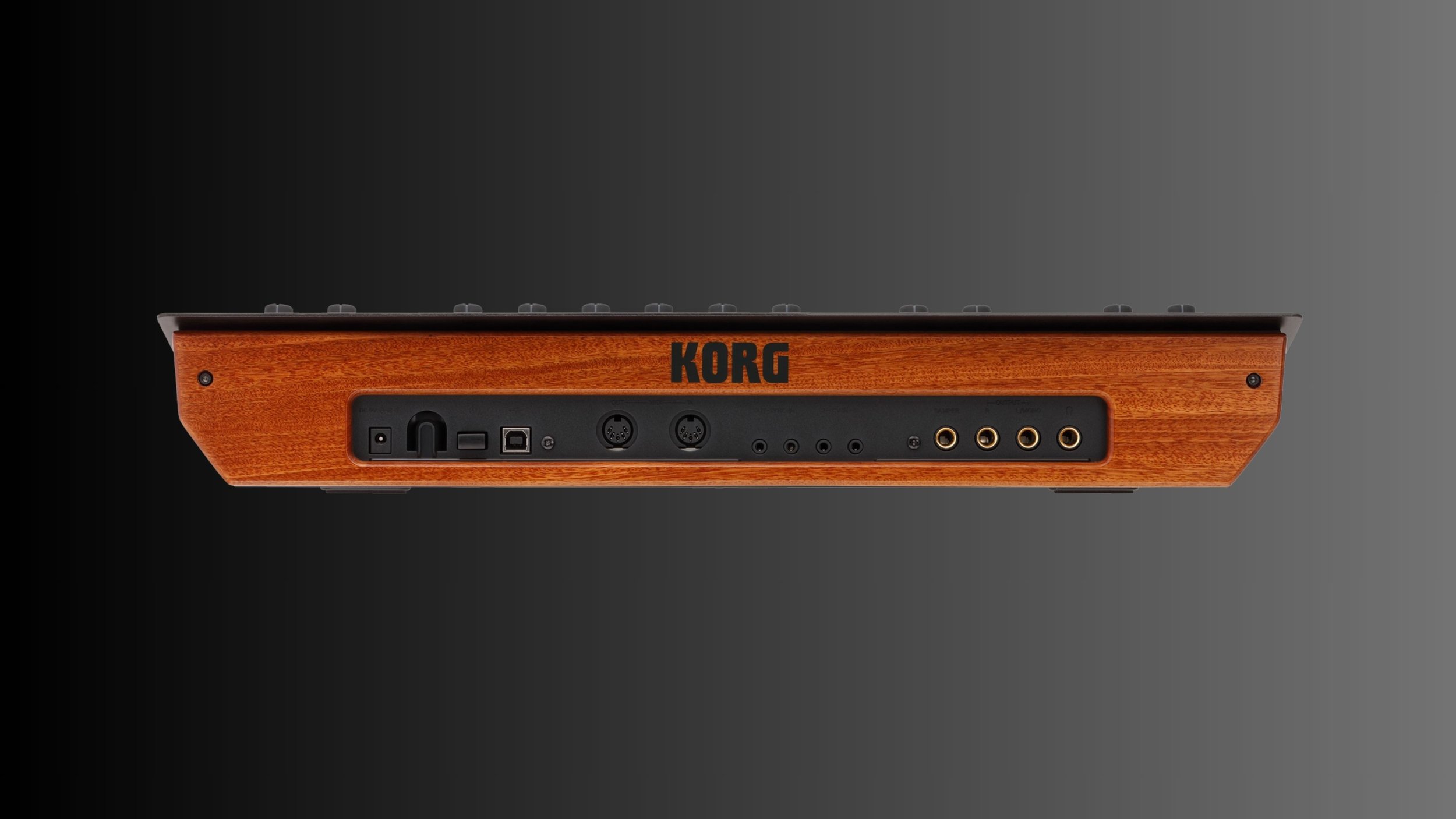
In a real-world setup, the Minilogue XD works comfortably as both a primary idea generator and a supporting synth. The onboard sequencer is simple but effective for patterns, basslines, and evolving textures, especially when paired with motion sequencing for subtle movement. Integration with external gear is straightforward, and the instrument feels stable in longer sessions or live contexts. Its limitations—most notably the voice count—shape how it’s used rather than stopping it outright, encouraging concise parts instead of sprawling arrangements.
Spiritual siblings in Korg’s catalog
Korg’s closest “spiritual siblings” here are the Monologue, the original Minilogue, and the Prologue—not because they’re interchangeable, but because they share the same underlying approach: knob-forward control, performance-friendly voice modes, and a built-in obsession with “movement” (sequencing and modulation) as part of the sound, not an afterthought. The Monologue is the most distilled version: a fully programmable mono synth with a 25-key slim keyboard, a 16-step sequencer, motion sequencing (up to four parameters), and built-in microtuning that’s saved per program. The original Minilogue takes that same “everything you need is on the panel” logic into a true poly context: it’s a four-voice analog synth with Voice Mode variations, a 16-step polyphonic note + motion sequencer, and the signature oscilloscope display that makes patch-building feel unusually transparent.
Then the Prologue is what happens when that same design mentality gets scaled into a flagship performance polysynth. It’s explicitly positioned by Korg as following the Monologue and Minilogue in the same lineage, but built to be “bigger” in roles and stage presence. It keeps the emphasis on playable voice modes—POLY, MONO, UNISON, CHORD—but adds broader performance structure with bi-timbrality (main/sub timbres) for layer/split/crossfade, plus large program organization (including live set registration). In other words: Monologue is the focused, sequencer-and-tuning-forward sibling; the original Minilogue is the foundational “hands-on analog poly” sibling; and Prologue is the grown-up stage sibling that expands the performance architecture while keeping the same core idea that the best sounds should be one reach away, not three menus deep.
Alternatives to Consider
If you’re intrigued by the Minilogue XD’s combination of playable polyphony and hands-on design but want a different flavor of synthesis or more voices, there are several compelling alternatives. The Arturia MicroFreak lean into hybrid digital/analog-leaning engines with unique oscillator modes and expressive sequencers that make them great for sound designers and experimental players; they trade some of the XD’s four-voice polyphony for broad sonic variety and modulation playgrounds.
On the other end of the spectrum, the Behringer Deepmind offers true six-voice analog polyphony and a deep modulation matrix with four FX engines, making it a strong choice if you want lush pads and complex textures from a traditional subtractive voice structure with ample surface control.
For even deeper synthesis and expressive performance features, the ASM Hydrasynth (or its more compact ASM Hydrasynth Explorer) brings 8 voices of polyphony, rich wavetable and modulation architecture, and expressive aftertouch, making it particularly appealing if you want extensive sound design and evolving textures beyond basic analog tones.
Meanwhile, the Sequential Take 5 offers a fully analog polyphonic experience with five voices and classic subtractive flexibility, ideal for players who prioritize traditional analog warmth and hands-on control in a compact form. These alternatives span a range of synthesis styles and polyphony options, giving you practical choices whether you want more depth in sound design, more expressive performance potential, or richer analog character. For a deeper breakdown of what to buy instead, check my post about the best polyphonic hardware synths to buy right now.
Pros
Hybrid analog/digital architecture offers a wider tonal range than a straight analog poly in this size and price class
Hands-on panel and sequencer make it quick to sketch ideas without menu friction
Expandable via Logue SDK, which meaningfully extends its lifespan beyond factory sounds
Compact, self-contained design works well in both studio and live setups
Cons
Four-voice polyphony can feel restrictive for sustained chords or layered pads
Sound leans controlled rather than raw, which may not satisfy those chasing heavy vintage instability
Limited depth per voice compared to larger or more modulation-heavy polysynths
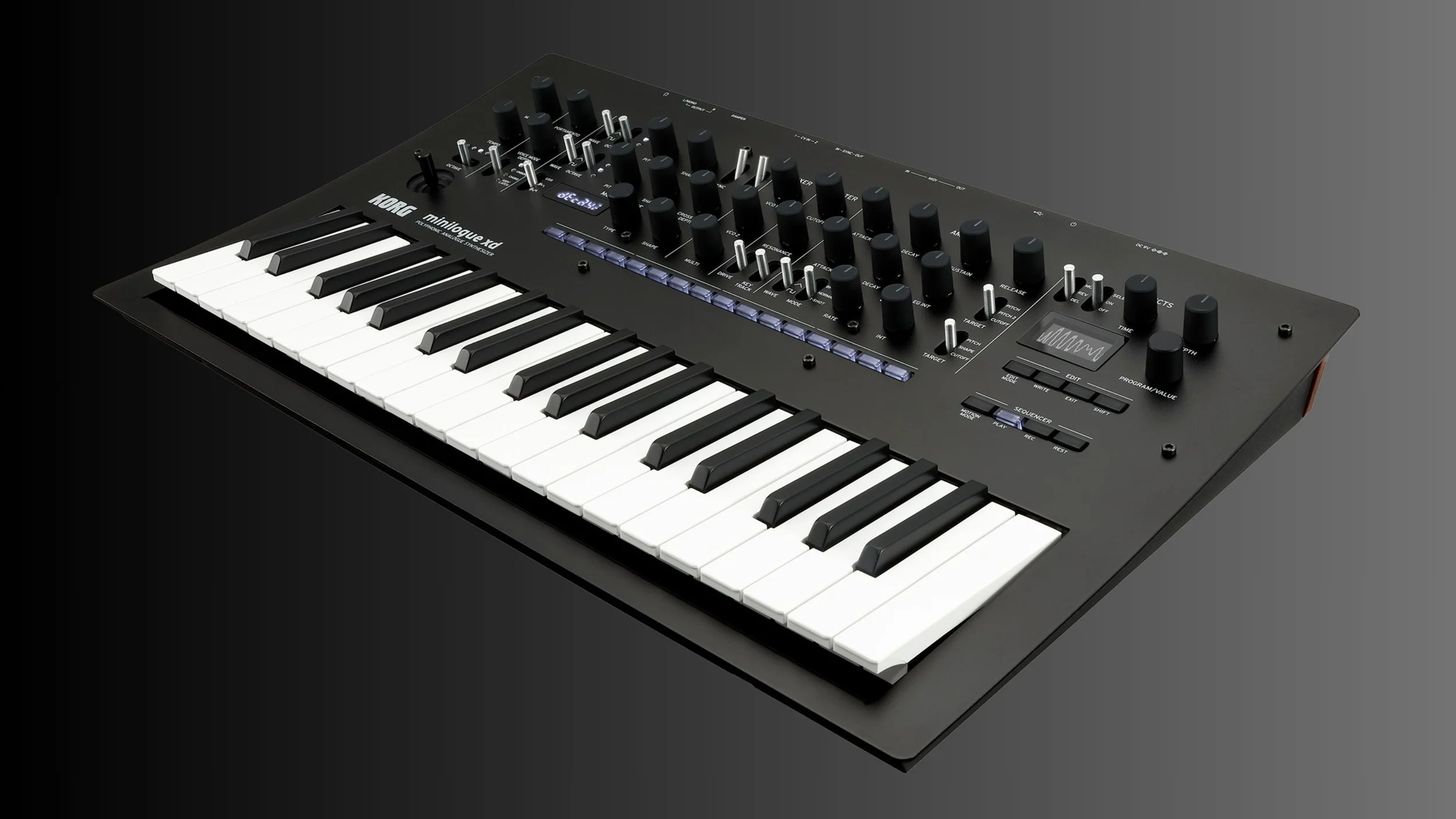
Slim keys won’t appeal to players who prioritize traditional keyboard feel
Final Words
The Minilogue XD still matters because it occupies a rare middle ground: approachable enough to invite hands-on play, yet flexible enough to grow with the user over time. Its hybrid design and expandable ecosystem keep it from feeling frozen in the era it was released, even as the polysynth market continues to move quickly.
It’s best suited to musicians who value immediacy, character, and adaptability over sheer scale or complexity. If you need dense polyphony or deep modulation at every stage, it may feel limiting—but for focused parts, live use, and modern hybrid textures, it remains a relevant and capable instrument.
Disclosure: This site contains affiliate links. If you purchase through these links, I may earn a commission at no extra cost to you.