
Audio-Technica ATH-M50x vs Sennheiser HD 25: Which DJ Headphones Are Better
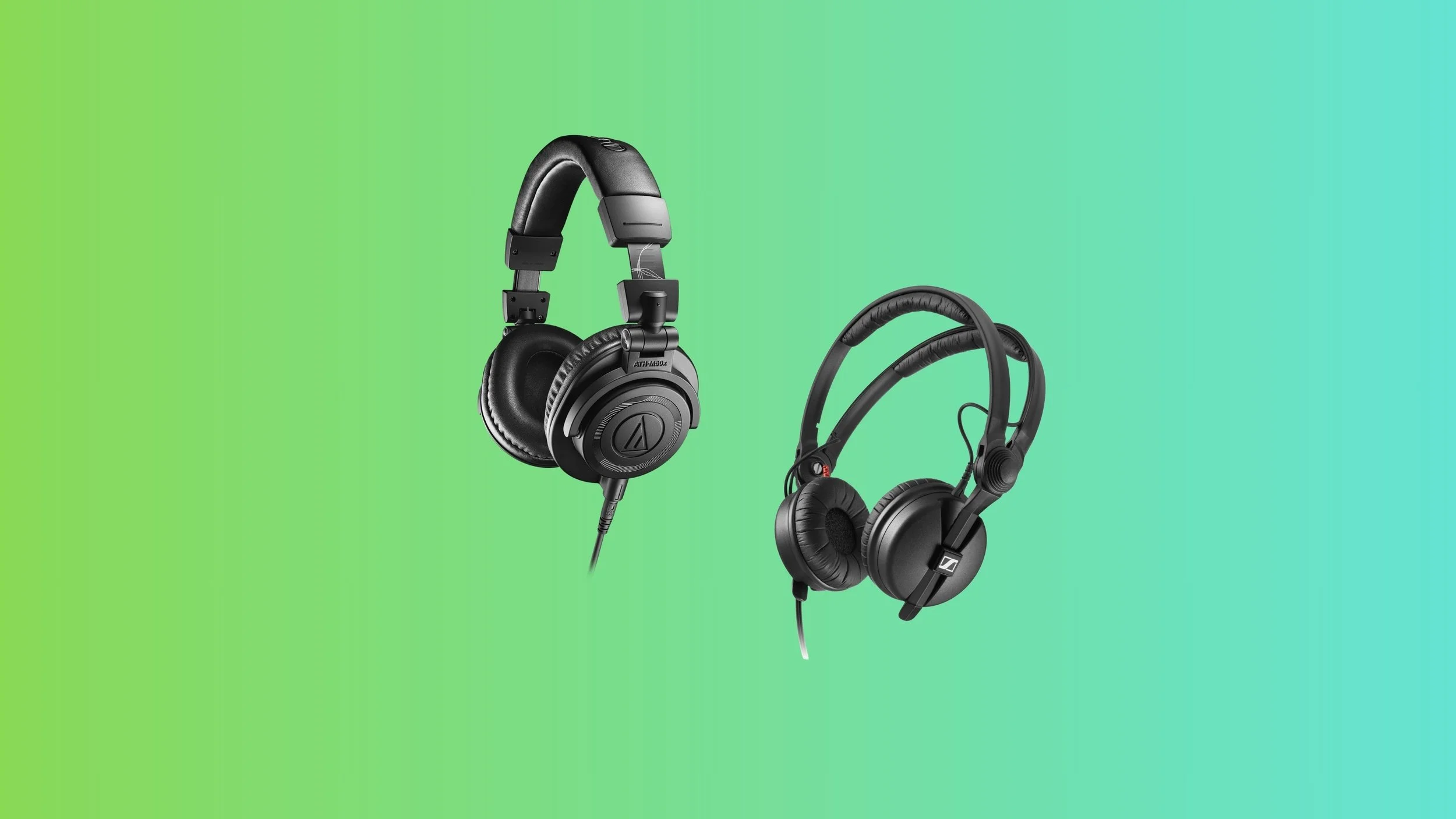
Are you looking for DJ headphones? If so, you’ve probably heard few headphone rivalries are as enduring in the DJ world as the Audio-Technica ATH-M50x and the Sennheiser HD 25. Both are icons for a reason — the M50x with its punchy, full-range studio sound and plush comfort, the HD 25 with its featherweight design, brutal isolation, and battle-tested durability. You’ll find them in booths, studios, and tour bags all over the world. But when you narrow the focus to DJ use — where quick cueing, noise rejection, and physical toughness matter more than pristine mixing detail — their differences become more revealing than ever. In this post, we’ll break down how each model performs specifically in the booth. From build and comfort to isolation, sound, and day-to-day practicality, this comparison aims to answer one thing clearly: which of these two legendary headphones actually makes the better DJ companion in 2025?
Design & Comfort
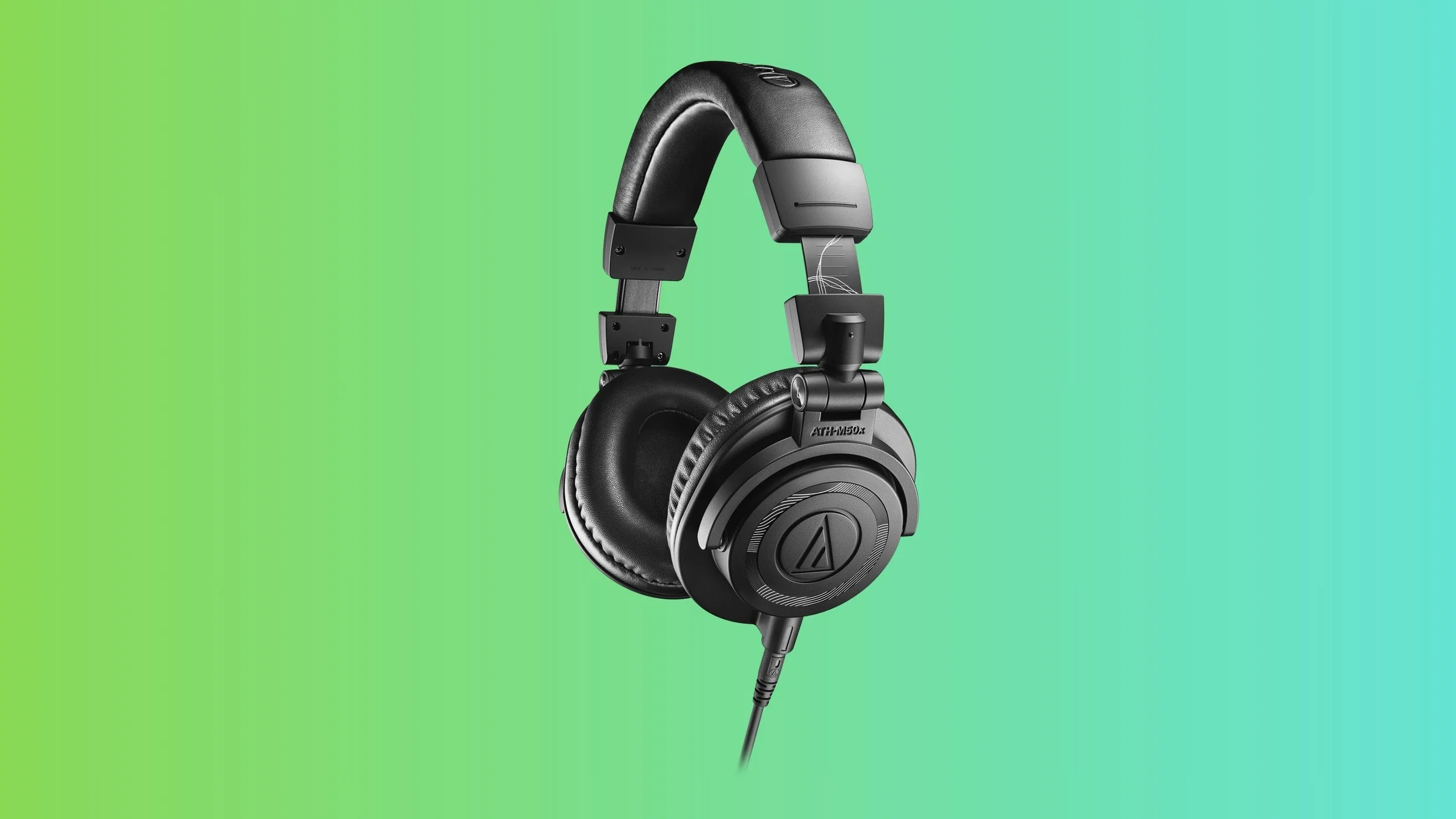
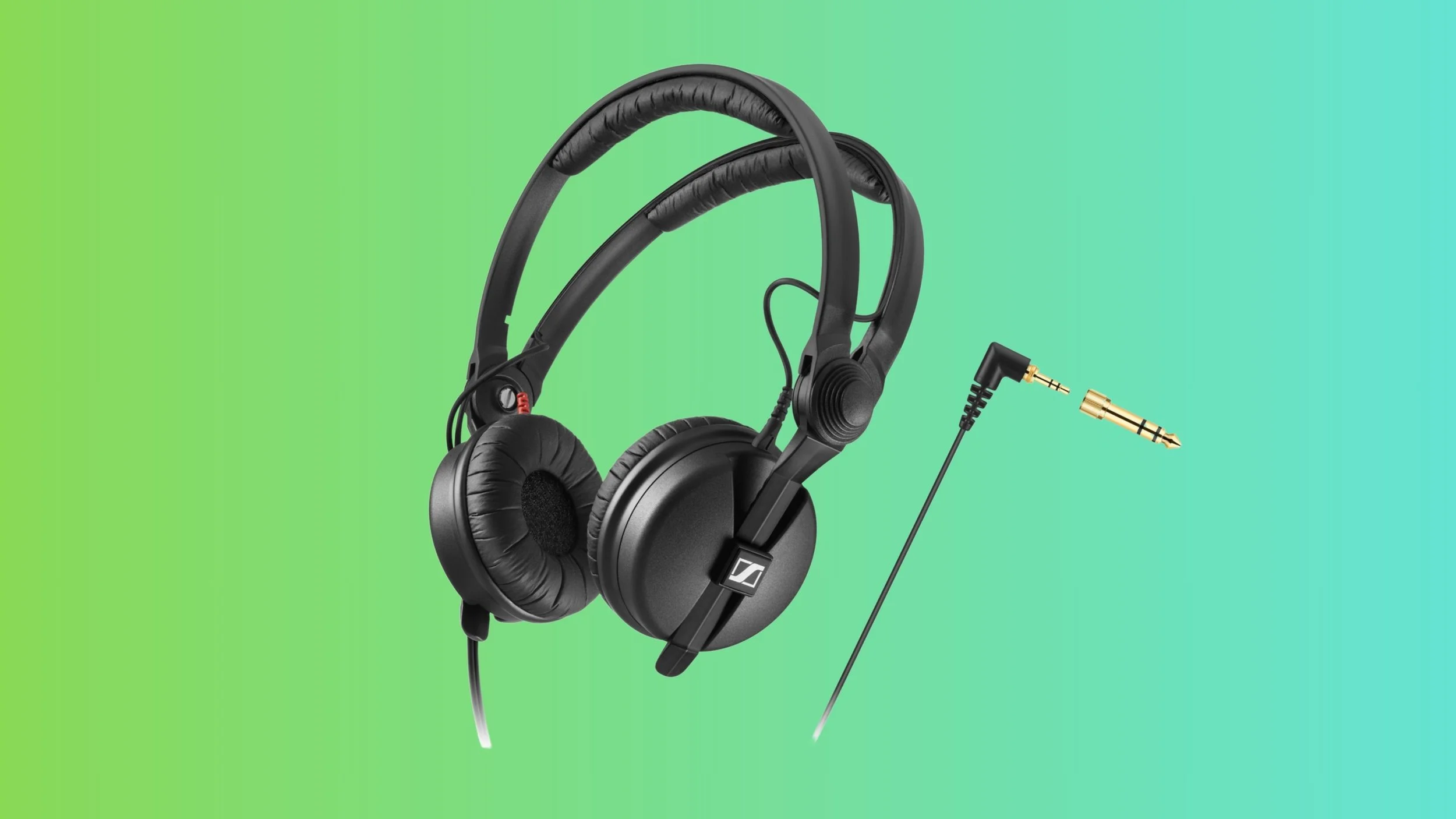
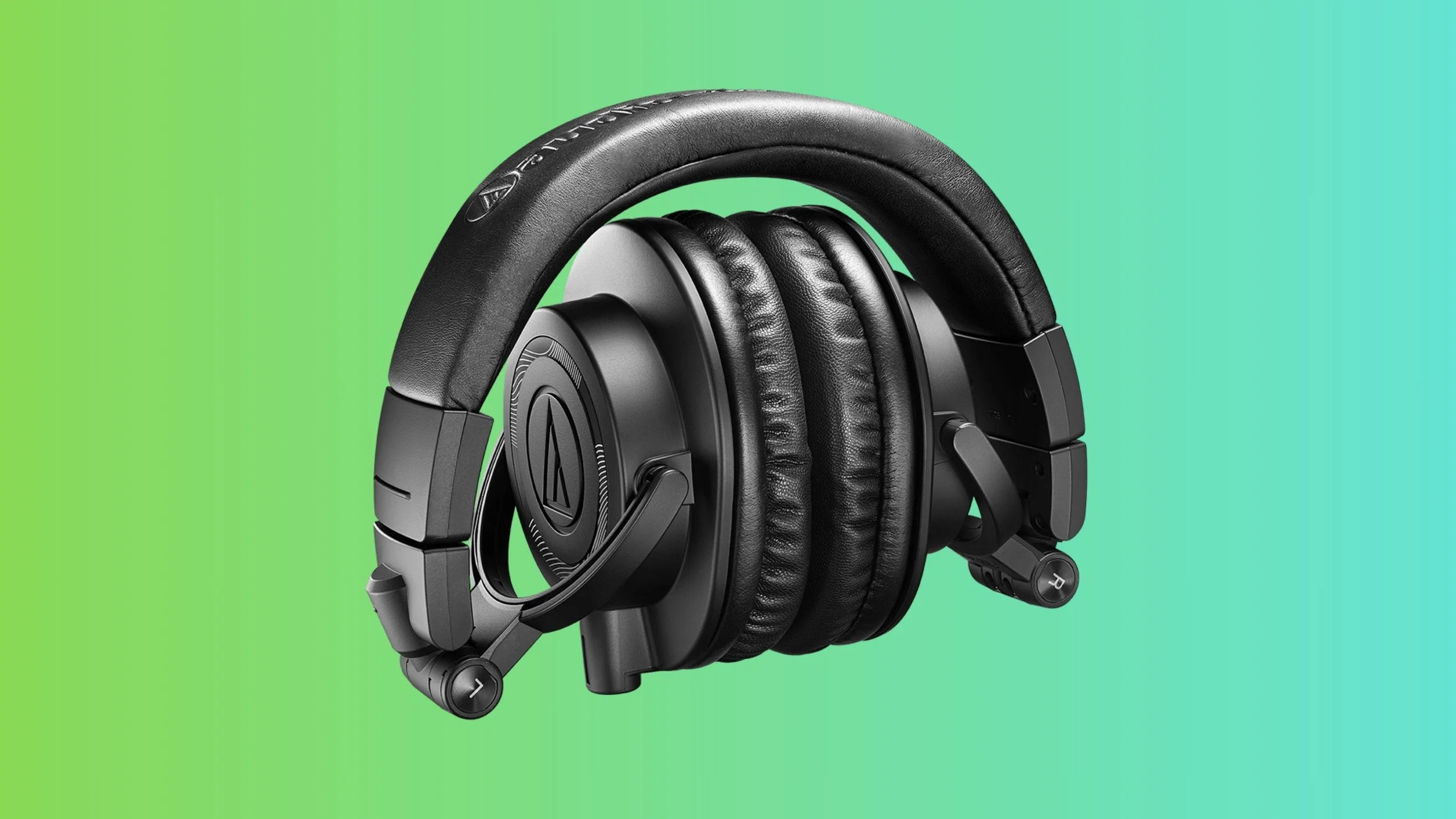
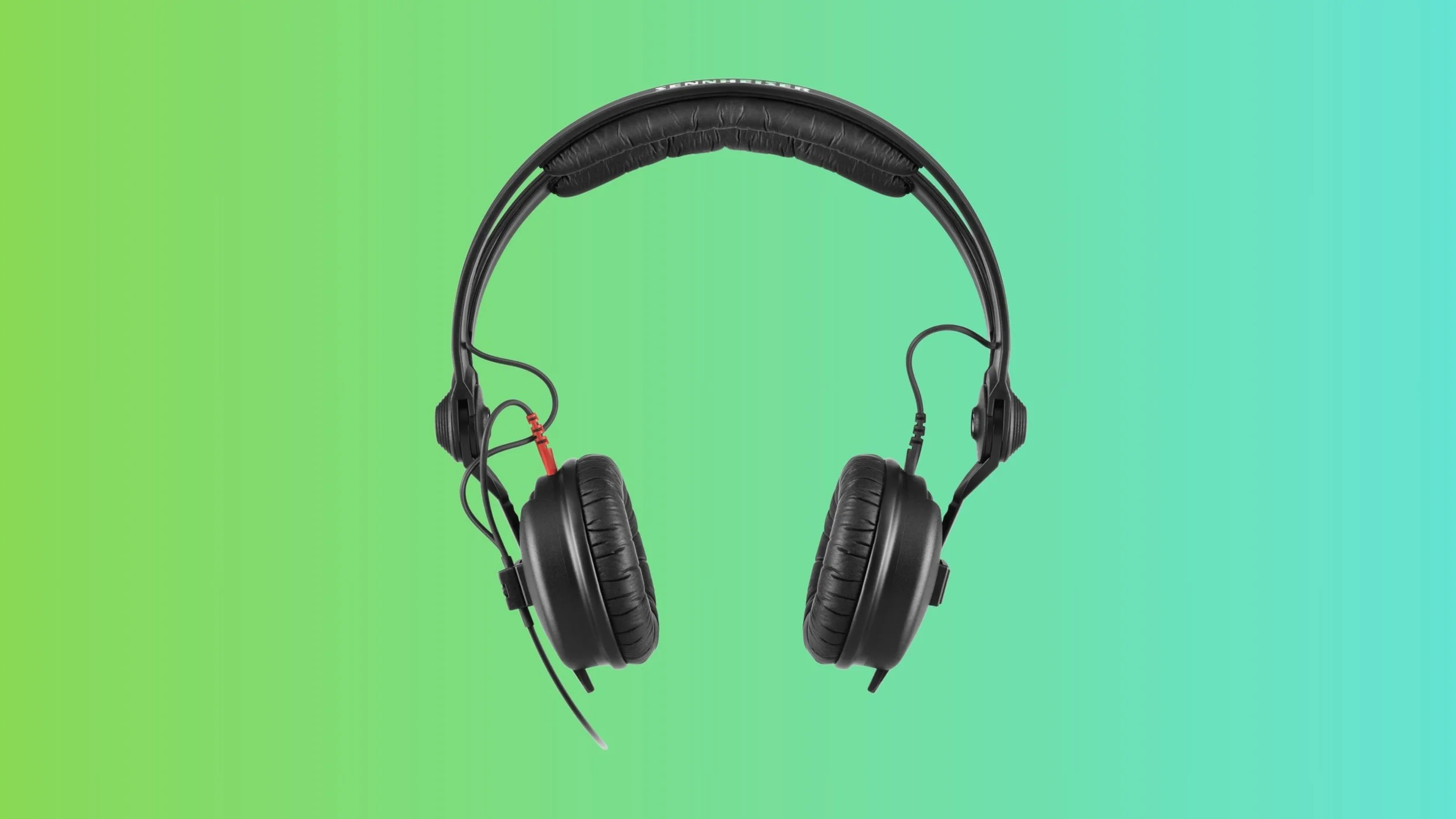
The Sennheiser HD 25 and Audio-Technica ATH-M50x take completely different approaches to design. The HD 25 is famously minimal — almost skeletal — built for function above all else. Its split headband, rotating earcup, and on-ear fit make it exceptionally light, while its modular parts (from cables to pads) can be swapped or replaced easily after years of heavy use. It’s the kind of gear that survives being stuffed into a bag or dropped mid-set and keeps going. The M50x, by contrast, feels more like a studio monitor built tough enough for the road. Its padded headband, over-ear cushions, and folding hinges make it more comfortable for long listening sessions, though bulkier to carry and slightly less rugged under real touring abuse.
In terms of comfort, the HD 25’s clamp force is firm, designed to stay locked in place even during energetic mixes or outdoor sets. Some find it tight after an hour or two, but that snug seal is part of why its isolation is legendary. The M50x, meanwhile, feels softer and more relaxed on the head, with thicker pads and a looser fit that’s easier on the ears over long studio sessions. For DJs who move constantly and need stability under sweat and heat, the HD 25’s lighter frame can actually feel more practical; for those who prefer a cushier, more traditional headphone experience, the M50x wins out.
Durability is another key difference. The HD 25 is nearly indestructible, designed for field recording and live broadcast before DJs claimed it as their own. Its plastic shell might look simple, but it’s incredibly resilient and every part can be replaced individually — a rare quality in modern gear. The M50x is well-built, but with its foldable hinges and synthetic leather pads, it requires a bit more care to last through years of gigs. Both feel professional, but one is a tool for the trenches, the other a crossover between studio comfort and stage utility.
Sound & Isolation
For DJs, sound isn’t about subtlety — it’s about clarity and control under pressure. The Sennheiser HD 25 has a distinct mid-forward tuning that cuts through ambient noise and loud club monitors. Its tight, punchy bass and crisp upper mids make beatmatching and cueing effortless, even in chaotic environments. The low end feels fast and contained rather than bloated, which helps you lock into kick drums without masking the rest of the mix. The Audio-Technica ATH-M50x, on the other hand, delivers a fuller, more hi-fi response. Its bass is deeper and more extended, the highs more pronounced, and the overall soundstage wider — traits that make it great for production or general listening, but sometimes less surgical for cueing in the booth.
Where the HD 25 truly shines is isolation. Its on-ear design and firm clamp block out ambient sound far better than most over-ear headphones. Even in loud clubs, you can clearly hear your cue without cranking the volume. This isolation also reduces ear fatigue — a big deal during long nights. The M50x isolates reasonably well for an over-ear model, but it can’t quite match the HD 25’s sealed intensity. Its more open soundstage is nice in quieter spaces, though it can let in more bleed when monitors are blasting nearby.
At the same time, the M50x’s balanced presentation makes it more forgiving when switching between DJing and studio work. Its bass emphasis gives kick-heavy genres like techno or trap plenty of weight, while the HD 25’s tighter character feels more precise for fast transitions and cue-heavy mixing. In other words: the HD 25 sounds more “focused” and utilitarian, the M50x more “musical” and flattering. Both sound great, but one was built to survive chaos — the other to make it sound good.
Performance & Usability
In real DJ scenarios, the HD 25 feels purpose-built. Its rotating earcup lets you monitor one ear while keeping the other free to hear the room — a classic feature that countless DJs rely on. Because the earcups swivel freely and the clamp is tight, it stays put even during movement-heavy sets. The lightweight frame also reduces fatigue, so you can mix for hours without constantly adjusting your headphones. In loud environments, the HD 25’s design makes it easy to hear exactly what’s happening in your cue channel without blasting the volume — one of the main reasons it’s still the industry standard decades after its release.
The ATH-M50x is more of a hybrid performer. While it doesn’t have the same one-ear monitoring agility, its closed-back, over-ear design provides a more immersive experience when cueing in quieter or open-air settings. The larger earcups seal you off just enough to focus, and the three detachable cables (straight, coiled, and short) make it adaptable for booth setups or home production. That flexibility gives the M50x a professional polish the HD 25 lacks — though in a sweaty, high-energy booth, the extra bulk and heat buildup can make it feel less practical over time.
For quick transitions, the HD 25’s minimal design wins. It’s the headphone you can wear slung around your neck or on one ear while adjusting levels with your free hand. The M50x favors comfort and sound over maneuverability, better suited for DJs who prefer full isolation or spend more time mixing in controlled environments. Both can handle club volume and travel abuse, but when it comes to pure function behind the decks, the HD 25 simply feels like an extension of the craft.
Studio & Everyday Use
While both are marketed toward professionals, the ATH-M50x clearly extends its utility beyond the booth. Its more balanced frequency response and extended low end make it a solid choice for production, editing, and casual listening. Many DJs and producers appreciate that they can use the same pair for mixing tracks during the day and performing at night. The larger cups and smoother top end are also easier on the ears during long sessions — whether you’re arranging in Ableton or watching a late-night mixdown tutorial.
The Sennheiser HD 25, in contrast, feels laser-focused on performance. It’s not uncomfortable for casual use, but its clamp pressure, on-ear fit, and dry, analytical tone aren’t as forgiving when you’re just relaxing or fine-tuning EQs for hours. Still, that same precision is what makes it so effective in fast-paced environments like clubs or outdoor events. It isolates, it projects, and it reveals transients with surgical clarity — traits that are less “fun,” but invaluable in the booth.
For anyone who wants one pair that covers DJing, production, and everyday music listening, the M50x provides better crossover appeal. It’s more flattering to mixes and works well for tracking vocals or instruments. The HD 25, on the other hand, remains a dedicated tool — less about enjoyment, more about reliability. If your headphones rarely leave the booth, that focus is a strength, not a limitation.
Alternatives Worth a Look
If you’re exploring beyond these two icons, a few modern models deserve attention. The AIAIAI TMA-2 DJ is perhaps the closest spiritual successor to the HD 25 — light, modular, and purpose-built for booth use. Its isolation is excellent, the sound is tight and bass-forward, and every part can be swapped out or upgraded. Unlike the HD 25, it offers modular customization — you can tailor the headband tension, cable style, or pad material — making it an appealing choice for touring DJs who want to fine-tune their setup.
The Pioneer HDJ-X10 and HDJ-X7 lean into rugged, club-oriented durability. These are full-sized over-ear headphones designed to handle extremely high SPL levels while maintaining a clear, punchy sound. They’re heavier than the HD 25 or TMA-2, but they feel built for punishment — ideal for DJs who prioritize toughness and high-volume playback in large venues. The HDJ-X10 also boasts excellent earcup rotation for one-ear monitoring, making it a modern, premium take on the HD 25 philosophy.
Finally, the RØDE NTH-50 offers a middle ground between DJ durability and studio-grade fidelity. It’s extremely comfortable, with memory foam pads and a balanced sound signature that transitions easily between mixing tracks and producing them. While it doesn’t isolate as aggressively as the HD 25, its comfort and accuracy make it an excellent secondary option for hybrid DJ/producers who spend equal time performing and creating.
Final Verdict: Which One Should You Choose?
Choosing between the ATH-M50x and the Sennheiser HD 25 really comes down to how — and where — you play. The HD 25 is the definition of a workhorse: light, indestructible, and laser-focused on the needs of club DJs. Its clamp, isolation, and swivel design make it unbeatable in loud environments where precision cueing is everything. It doesn’t try to flatter your mix — it just tells you what’s happening, clearly and immediately. If you value function over comfort, and want something built for the chaos of live performance, it’s the classic choice for a reason.
The ATH-M50x, meanwhile, delivers a more polished and versatile experience. It’s better suited for DJs who split time between performance and production, or those who simply prefer a fuller, more hi-fi listening profile. It’s comfortable, flattering, and built to sound great across contexts — though not quite as agile or isolating in a noisy booth.
In short: pick the HD 25 if you’re a club-focused DJ who prizes durability and accuracy; pick the M50x if you want a comfortable, great-sounding all-rounder that moves between studio and stage with ease.
Check price: Audio-Technica ATH-M50x
Check price: Sennheiser HD 25
Read this next!
What Are the Best Studio Headphones for Music Producers?
RODE NTH-50 Combines DJ-Friendly Design with Studio Clarity
What Are the Best Wireless DJ Headphones? AIAIAI and AlphaTheta Compared
What You Need to Start DJing: The Ultimate Beginner’s Guide
Disclosure: This blog contains affiliate links, which means Internet Tattoo may receive a commission if you purchase through these links at no additional cost to you.