
The Essential Distortion Plugins Every Producer Should Know
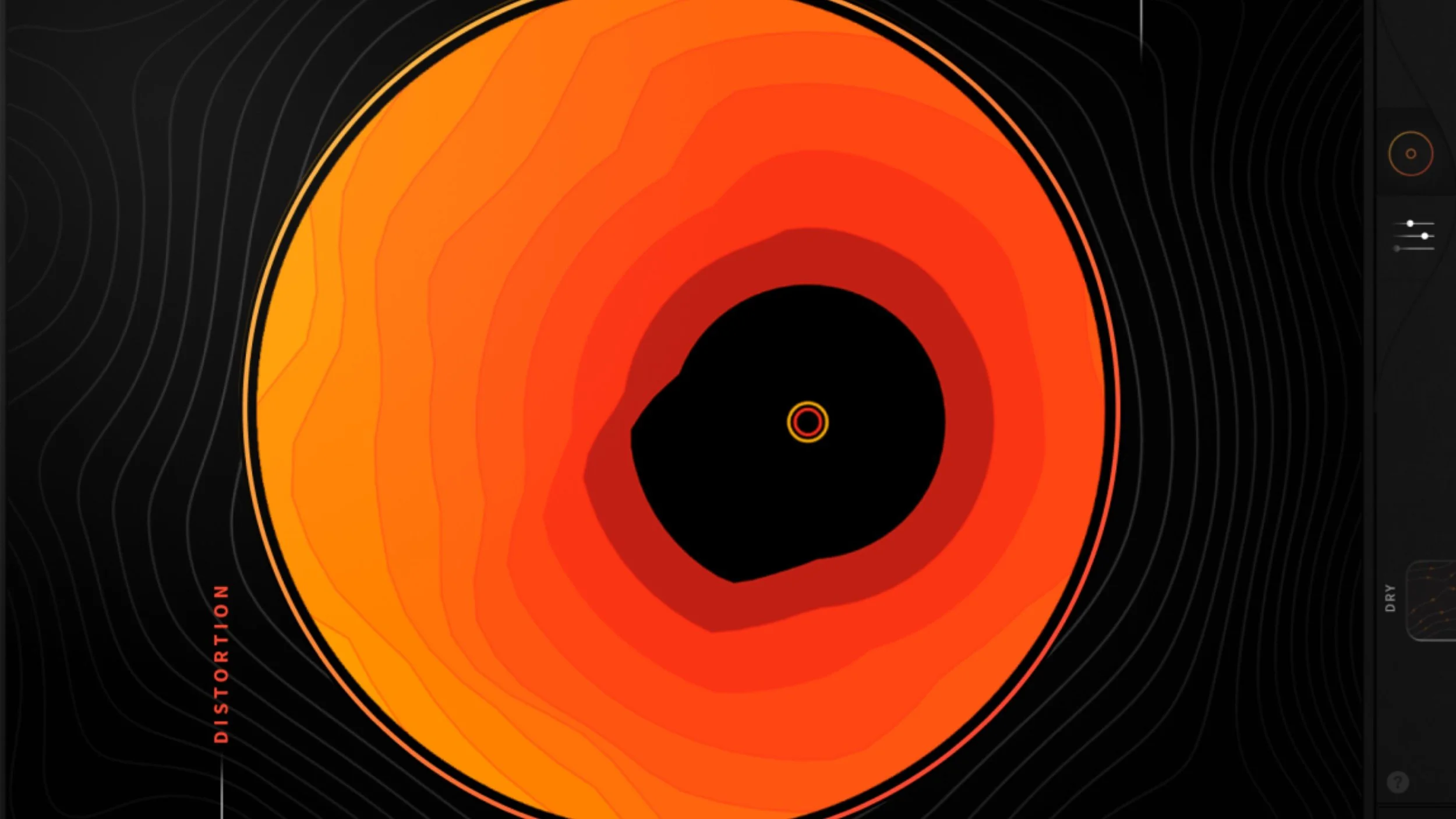
For a long time, distortion lived in very specific boxes: guitar pedals, industrial music, or the occasional “make it louder” trick on drums. But over the past few years, it’s quietly moved back to the center of modern production. From hyperpop and rage beats to left-field EDM, hard techno, and experimental club music, distortion is no longer just an effect you sprinkle on top — it’s part of the sound design itself. Producers are using saturation, clipping, wavefolding, and digital destruction as compositional tools, shaping tone, movement, and energy at the source rather than fixing things later in the mix. What’s changed isn’t just taste, but tooling. Today’s distortion plugins go far beyond simple overdrive knobs. Multiband routing, dynamics-aware saturation, feedback paths, and modulation have turned distortion into something precise, controllable, and expressive. You can push sounds to the edge without losing low-end, carve harmonics into specific frequency ranges, or completely obliterate a signal while keeping it musically usable. This post focuses on distortion plugins that reflect that shift — tools that are widely used, still available, and relevant to how producers actually work today.
Output Thermal
Output Thermal is built around the idea that distortion can be dynamic and expressive rather than static. At its core, Thermal combines multiple distortion algorithms with multiband processing, letting you treat lows, mids, and highs as separate creative zones. This makes it easy to push aggression into the upper mids while keeping sub frequencies controlled, or to add density and movement to a sound without flattening its dynamics. The drive styles range from subtle saturation to heavy digital breakup, but the real strength lies in how controllable and musical those extremes feel.
What sets Thermal apart is how deeply modulation is integrated into the distortion itself. Nearly every parameter can be animated using envelopes, LFOs, followers, or macros, which turns distortion into something that evolves over time rather than staying locked in place. This is especially effective for modern genres where movement and texture matter as much as raw tone. Thermal works equally well as a sound-design tool on synths and vocals or as a creative processor on buses, making it less about “adding dirt” and more about shaping energy and character in a deliberate way.
Download here
iZotope Trash
iZotope Trash is one of the most influential distortion plugins ever released, and it still sets the reference for what “creative distortion” means in a modern context. At its core, Trash is built around a dual-stage distortion engine paired with multiband routing, allowing you to apply different distortion types to different frequency ranges in series or parallel. This makes it possible to create sounds that feel aggressively transformed while remaining controlled and mix-ready. Beyond distortion, Trash also includes filtering, dynamics, delay, and convolution-based speaker and cabinet modeling, turning it into a full signal-warping environment rather than a single-purpose effect.
What made Trash so widely adopted is how intentional its complexity feels. Every module exists to solve a real creative problem: keeping low-end intact while destroying mids, adding harshness without losing punch, or building extreme textures that still respond musically to input dynamics. Even though it’s no longer actively developed, its architecture remains unmatched for heavy sound design, especially in bass music, industrial, experimental electronic, and cinematic contexts. Many newer distortion plugins borrow ideas that Trash introduced, which is why it still holds up as a foundational tool rather than a legacy curiosity.
Download here
Minimal Audio Rift 2.0
Minimal Audio Rift 2.0 is designed with modern sound design in mind, where distortion is less about warmth and more about motion, impact, and controlled chaos. At its core, Rift 2.0 combines multiple distortion modes with feedback routing, wave shaping, and multiband control, allowing you to push sounds into extreme territory while keeping them intentional. It excels at sharp transients, aggressive bass tones, and synthetic textures that feel alive rather than flattened by overdrive.
A defining feature of Rift 2.0 is how tightly distortion is linked to modulation and dynamics. The plugin reacts to incoming audio in ways that feel almost performative, with distortion intensity changing based on envelopes, followers, or internal modulation. This makes it particularly effective for genres like rage beats, hard EDM, and experimental bass music, where energy and movement are crucial. Rift doesn’t try to emulate analog gear or classic saturation curves; instead, it leans fully into a modern, digital aesthetic that treats distortion as a primary creative voice rather than a finishing touch.
Download here
United Plugins Cyberdrive Core
United Plugins Cyberdrive Core takes a modular approach to distortion, positioning itself as a flexible toolkit rather than a single flavor. It combines multiple distortion algorithms with pre- and post-filtering, tone shaping, and dynamic control, making it easy to build custom drive chains inside one plugin. Cyberdrive Core can move from subtle edge and crunch to harsh digital breakup, but its real strength is how deliberately you can sculpt where and how that distortion happens in the signal.
What makes Cyberdrive Core stand out is its balance between depth and accessibility. It doesn’t overwhelm you with endless pages or cryptic routing, yet it offers enough control to handle detailed sound-shaping tasks. This makes it a strong option for producers who want more flexibility than a one-knob saturator, but don’t necessarily want the full complexity of something like Trash. It works well on synths, drums, and bass, especially when you want distortion to feel purposeful rather than accidental.
Download here
Soundtoys Decapitator
Soundtoys Decapitator is often treated as the baseline reference for analog-style saturation in modern production. Inspired by classic hardware units, it offers several distinct drive characters that range from subtle harmonic thickening to heavy, aggressive distortion. What makes Decapitator so widely adopted is how quickly it delivers results: a single drive control, tone shaping, and output trim make it easy to dial in character without getting lost in technical detail. It’s equally comfortable adding density to vocals, grit to drums, or weight to synths.
Despite its simplicity on the surface, Decapitator remains flexible and expressive. The mix control makes parallel saturation effortless, while the Punish mode pushes the circuit modeling into intentionally extreme territory without becoming unusable. Unlike more modular or multiband tools, Decapitator works best when you want the distortion to feel cohesive and musical across the whole signal. That balance of speed, character, and reliability is why it’s still considered an essential plugin years after its release, and why it continues to show up in sessions across genres.
Download here
Aberrant DSP Digitalis
Aberrant DSP Digitalis sits firmly on the digital side of distortion, but it approaches it with a very deliberate, musical intent. Rather than emulating analog saturation or classic hardware circuits, Digitalis focuses on wavefolding and digital clipping as sound-shaping tools. The result is a type of distortion that feels sharp, synthetic, and highly controllable, making it especially effective on synths, basses, and drums that need edge without turning into noise. It’s the kind of plugin that encourages you to think in terms of waveform manipulation rather than “drive amount.”
What makes Digitalis particularly useful is how clearly it exposes what’s happening to the signal. Controls feel direct and responsive, which makes it easier to dial in aggressive tones that still translate in a mix. Instead of smoothing or disguising artifacts, Digitalis leans into them, turning digital harshness into a feature rather than a flaw. In the context of modern electronic music — from experimental club tracks to hyperpop-adjacent sound design — it fills an important role as a distortion tool that sounds intentionally digital, precise, and unapologetically modern.
Download here
D16 Group Devastor 2
D16 Group Devastor 2 is a modern take on diode-based distortion, designed to be aggressive, precise, and unapologetically electronic. It combines three distortion stages with multiband processing, allowing you to drive different frequency ranges independently while keeping tight control over the overall tone. This makes Devastor 2 especially effective for drums, bass, and synths where punch and articulation matter as much as raw distortion. The sound leans toward hard, edgy, and forward rather than warm or vintage, which gives it a very clear identity.
What sets Devastor 2 apart is how cleanly it handles extreme settings. Even when pushed hard, transients remain sharp and the low end stays focused, which is crucial for modern club and bass-driven genres. The interface encourages deliberate shaping rather than experimentation for its own sake, making it a strong choice when you know what kind of aggression you want and need to dial it in quickly. Devastor 2 feels less like a creative sandbox and more like a precision tool for controlled impact.
Download here
Waves Berzerk Distortion
Waves Berzerk Distortion is built for aggressive, modern distortion that still stays playable inside a mix. It combines multiple distortion algorithms with parallel routing, multiband tone shaping, and dynamic control, allowing you to push sounds hard without completely losing definition. Berzerk is especially effective on drums, bass, and synth leads where you want intensity and bite, but still need the signal to cut through cleanly in a busy arrangement.
What makes Berzerk stand out is how intentional its aggression feels. Instead of collapsing into noise at high drive settings, it maintains focus and clarity, which makes it well suited to contemporary electronic and beat-driven genres. The plugin encourages bold moves while still giving you the tools to rein things back in, striking a balance between raw energy and mix control. Berzerk isn’t about subtle enhancement; it’s about committing to distortion as a core part of the sound and making that choice work musically.
Download here
Distortion vs Saturation: What’s the Difference?
Distortion and saturation are often used interchangeably, but they’re better understood as points on the same spectrum rather than separate effects. At a basic level, both involve adding harmonics by pushing a signal beyond its clean headroom. Saturation usually refers to the earlier, gentler stages of that process, where harmonics are introduced gradually and the signal feels thicker, warmer, or more present without obvious breakup. This is why saturation is commonly used on vocals, drums, buses, and even full mixes — it enhances energy without dramatically changing the source.
Distortion, on the other hand, is what happens when that process is pushed further. As the signal is driven harder, waveforms are reshaped more aggressively, leading to audible grit, crunch, or outright destruction. This is where tone becomes character rather than enhancement. Modern distortion plugins blur this line by giving you precise control over how and where harmonics are generated, whether through multiband processing, dynamics, or feedback. Understanding the difference isn’t about rules, but intent: saturation supports a sound, while distortion often becomes the sound itself — especially in genres where texture, aggression, and edge are central to the aesthetic.
Why Multiband Distortion Matters
Multiband distortion solves one of the biggest problems with traditional distortion: loss of control. When you distort a full-range signal, low frequencies tend to collapse first, high frequencies can become harsh, and the midrange often dominates in unpredictable ways. By splitting the signal into frequency bands, multiband distortion lets you decide where aggression lives. You can keep sub frequencies clean and stable, push grit into the mids, and add bite or air to the highs without everything competing for space. This is why multiband approaches have become standard in modern production, especially for bass-heavy and rhythm-driven music.
Beyond balance, multiband distortion is also about intent. It allows distortion to be shaped as a design choice rather than a side effect. You can exaggerate movement in one band, keep another tightly controlled, or apply completely different distortion characters across the spectrum. This is especially powerful in genres like hyperpop, rage beats, and left-field electronic music, where contrast and texture are part of the identity of the sound. Instead of asking “how much distortion should I add,” multiband tools encourage a more precise question: which part of the sound actually needs to break?
Disclosure: This site contains affiliate links. If you purchase through these links, I may earn a commission at no extra cost to you.