
These Were the Best-Selling Synths of 2025 — Here’s Why!
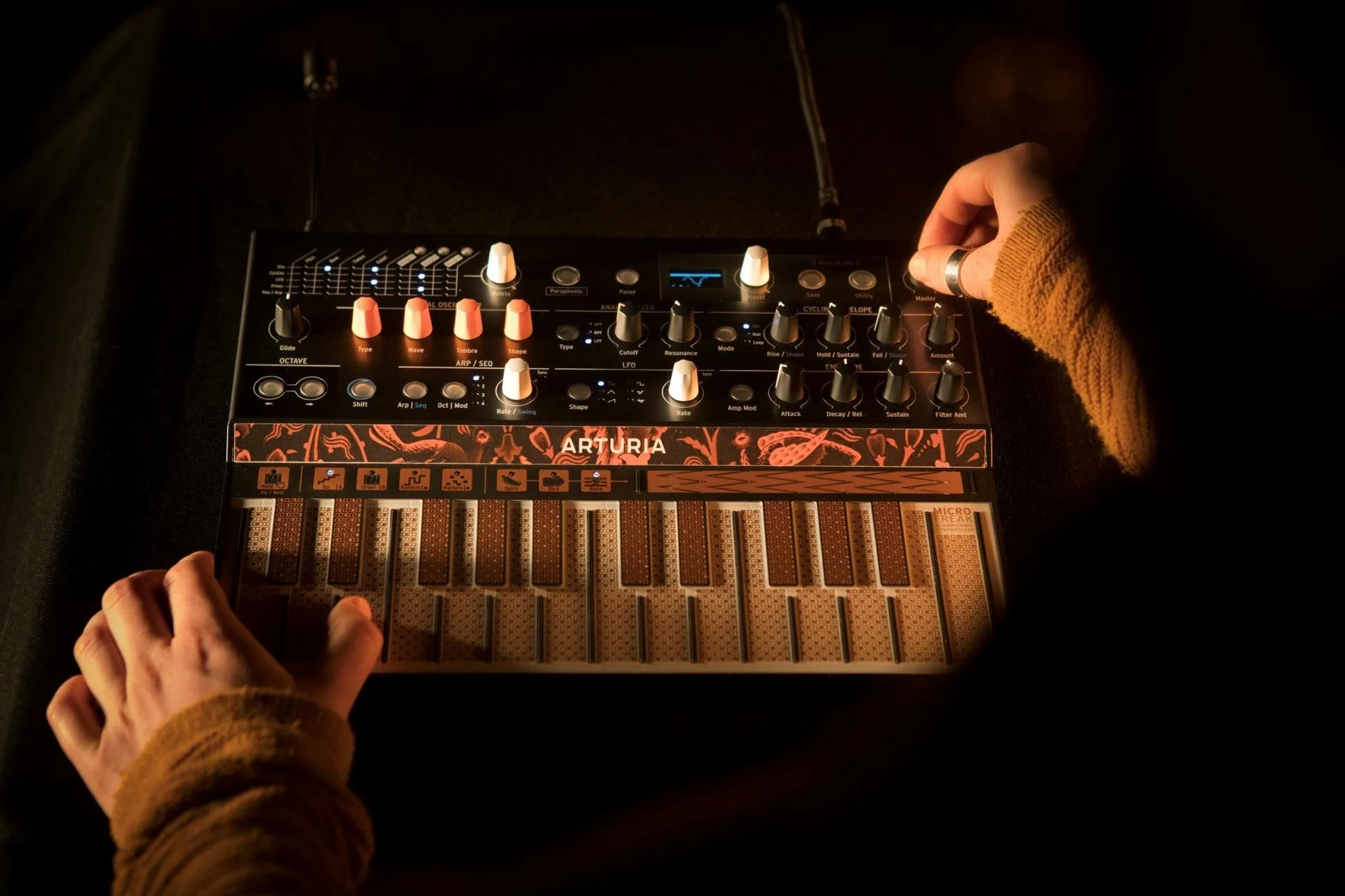
Every year, certain synthesizers quietly become fixtures in studios, live rigs, and bedroom setups—not because they’re the most advanced or the most talked about, but because they fit how people actually make music. Looking at year-end best-seller lists can be a useful way to spot those patterns, not as a measure of quality, but as a reflection of what musicians keep reaching for. In this post, I’m looking at two different snapshots of that behavior: Reverb’s most popular synths of 2025, shaped by both new and used gear trading hands, and Thomann’s top sellers (via GearNews), driven by traditional retail demand. Rather than ranking winners, I think it’s interesting to use these tops to figure out how synths are commonly used today, and why their design makes sense in the modern producer workflow.
Thomann Best-Selling Synths of 2025
1. Stylophone S-1
The Stylophone S-1 is a compact analog synthesizer designed around touch-based control and a simplified signal path. It focuses on basic subtractive synthesis, offering immediate sound generation without presets or deep modulation. In many setups, it functions as an entry-level instrument or creative toy rather than a primary studio synth. Its low price point and instant usability align well with retail-driven sales environments, helping explain its top position in unit sales.
Click here for a full, in-depth look at the Stylophone S-1.
More info
2. Moog Spectravox
The Spectravox is a semi-modular analog vocoder and spectral processor that emphasizes vocal and external signal processing rather than traditional keyboard synthesis. Built with Eurorack compatibility and hands-on controls, it’s typically used for sound design, filtering, and experimental modulation. It appeals to users looking to expand an existing setup rather than replace a core instrument. Its strong sales suggest sustained interest in character-driven, specialized Moog hardware even at higher price points.
More info
3. Behringer Edge
The Behringer Edge is a compact analog percussion synthesizer inspired by semi-modular drum-focused designs. It features hands-on controls for shaping percussive tones and supports patching for modulation flexibility. In practice, it’s often used as an affordable entry point into analog rhythm synthesis rather than a full drum machine. Its presence on the list reflects demand for low-cost, tactile hardware that offers immediate sonic results.
More info
4. Behringer Pro-VS Mini
The Pro-VS Mini is a small-format wavetable synthesizer modeled after classic vector synthesis concepts. It emphasizes joystick-based sound morphing and digital oscillator blending within a budget-oriented design. Typically used for pads, evolving textures, and experimental tones, it complements larger setups rather than serving as a standalone workstation. Its sales performance highlights continued interest in vintage-inspired digital synthesis at accessible price levels.
Click here for a full, in-depth look at the full Behringer mini synth range.
More info
5. Behringer Pro-800
The Pro-800 is an eight-voice analog polyphonic synthesizer based on classic Prophet-style architectures. It offers traditional subtractive synthesis with modern connectivity and a comparatively low cost for a polyphonic analog instrument. In current workflows, it’s often used as a dedicated poly synth for pads and chords without extensive modulation complexity. Its strong sales reflect demand for familiar analog sounds packaged at entry-to-mid-level pricing.
More info
6. Stylophone Theremin
The Stylophone Theremin is a simplified take on traditional theremin design, using motion-based control to generate pitch and expression. It’s primarily used as an experimental or novelty instrument rather than a precision melodic tool. Many buyers treat it as an introduction to gesture-based sound control or as a creative accessory. Its popularity points to strong consumer interest in accessible, curiosity-driven electronic instruments.
More info
7. Teenage Engineering PO-12 Rhythm
The PO-12 Rhythm is a pocket-sized digital drum machine focused on step-based sequencing and immediate pattern creation. Its limited interface and fixed sound set encourage fast experimentation rather than detailed programming. Often used as a sketchpad or portable rhythm tool, it fits well into casual and mobile music-making contexts. Its consistent sales underline the appeal of ultra-affordable, self-contained rhythm devices.
Click here for a full, in-depth look at the full Pocket Operator range.
More info
8. Behringer Grind
The Grind is a compact analog synthesizer designed with an emphasis on aggressive tones and straightforward sound shaping. It prioritizes hands-on control over preset management, making it suitable for raw basses and leads. In practice, it’s often purchased as an additional voice rather than a central synth. Its place on the list reflects continued interest in inexpensive analog hardware aimed at immediate sonic impact.
Click here for a full, in-depth look at the Grind.
More info
9. Roland S-1 Tweak Synth
The S-1 is a compact virtual analog synthesizer modeled after classic Roland architectures, featuring modern sequencing and performance tools. Despite its small size, it supports polyphony, effects, and pattern-based composition. It’s commonly used as a portable sound module or sketchpad for ideas that later move into a DAW. Its success highlights demand for recognizable synthesis styles in modern, space-efficient formats.
Click here for a full, in-depth look at the S-1 Tweak Synth.
More info
10. Instruō Pocket Scíon
The Pocket Scíon is a small-format semi-modular synthesizer focused on experimental sound generation and organic modulation. It encourages exploration through patching rather than traditional keyboard performance. Typically used for texture, drones, and evolving patterns, it occupies a niche role in larger systems. Its appearance on the list suggests that even in a retail context, there is consistent demand for characterful, exploratory instruments.
More info
Reverb.com Best-Selling Synths of 2025
1. Arturia MicroFreak
The MicroFreak is a compact hybrid synthesizer that pairs a digital oscillator section with an analog filter, designed around a lightweight, portable form factor. Its oscillator engines cover a wide range of synthesis methods, including wavetable, physical modeling, and experimental digital modes, while the touch-capacitive keyboard encourages nontraditional performance techniques. In modern setups, it’s often used as a secondary synth for texture, modulation, or sound design rather than as a primary polyphonic instrument. Its low cost, small footprint, and broad sonic range align well with how many producers integrate hardware today, which helps explain its strong showing in Reverb’s sales data.
More info
2. Elektron Digitone
The Digitone is an eight-voice polyphonic FM synthesizer built around a streamlined FM architecture and Elektron’s step sequencer. Instead of exposing the full complexity of traditional FM programming, it groups parameters into a smaller set of musically related controls, making harmonic changes easier to manage in context. In current setups, it’s often used as a dedicated melodic or harmonic engine alongside a DAW or groovebox, rather than as a standalone production center. That combination of focused synthesis and integrated sequencing aligns well with how many producers work today, which helps explain its strong presence in Reverb’s sales data.
More info
3. Arturia MiniFreak
The MiniFreak is a six-voice hybrid polyphonic synthesizer that pairs dual digital oscillator engines with analog filters and an expanded modulation system. It builds on the MicroFreak’s sound engine while adding polyphony, a traditional keybed, and deeper performance controls. In current setups, it’s often used as a primary hardware synth for both sound design and composition, capable of covering pads, leads, and complex modulated textures. Its combination of polyphony, hands-on control, and modern synthesis features fits well within contemporary hybrid workflows, which helps explain its strong presence in Reverb’s sales data.
More info
4. Make Noise Maths
Maths is a Eurorack function generator designed to handle envelopes, LFOs, slew limiting, and complex modulation tasks within modular systems. Rather than serving a single purpose, it acts as a flexible utility that can shape control voltages in multiple ways depending on patching. In contemporary modular setups, it’s often one of the first or most central modules because it can support both sound design and rhythmic modulation. Its versatility and foundational role in Eurorack systems help explain why it continues to sell strongly despite the constant influx of newer modules.
More info
5. Korg microKORG Crystal
The microKORG Crystal is a limited-edition version of Korg’s long-running virtual analog synth, retaining the original sound engine and compact form factor while adding a transparent chassis. The instrument offers basic subtractive synthesis, built-in effects, and a vocoder, all in a portable design that’s easy to integrate into live and studio setups. It’s commonly used for straightforward leads, basses, and vocal processing rather than deep sound design. The combination of familiarity, portability, and collectible appeal likely contributes to its visibility in Reverb’s 2025 sales figures.
Click here for a full, in-depth look at this instrument.
More info
6. Korg Minilogue XD
The Minilogue XD is a four-voice analog polyphonic synthesizer that expands on traditional subtractive design with a digital multi-engine and onboard effects. Its interface emphasizes a clear signal path and hands-on control, making it approachable for users transitioning from software to hardware. The additional digital oscillator slot allows for user-created content and broader sound design possibilities without complicating the core workflow. This balance between clarity and expandability aligns well with hybrid production setups, helping explain its sustained demand.
More info
7. Moog Geddy Lee Minimoog Model D
The Geddy Lee Minimoog Model D is a limited-edition reissue of Moog’s classic monophonic analog synthesizer, produced with custom artwork and a premium price point. It retains the original three-oscillator architecture and ladder filter that define the Minimoog’s sound, prioritizing tone and playability over modern features. In today’s market, it’s often purchased as a statement instrument or collectible rather than a primary production tool. Its appearance among top sellers reflects continued demand for iconic designs with cultural and historical significance.
More info
8. Dirtywave M8
The M8 is a compact, standalone groovebox built around a tracker-style interface, combining synthesis, sampling, and sequencing in a self-contained device. Its workflow is highly structured, relying on pattern-based programming rather than real-time performance controls. Many users adopt it as a focused composition tool for complete tracks, especially in portable or distraction-free setups. The M8’s strong sales presence points to a niche but committed audience seeking alternative workflows that differ from both DAWs and traditional grooveboxes.
More info
9. Elektron Syntakt
The Syntakt is a 12-track drum machine and synthesizer that combines digital and analog sound engines within Elektron’s sequencing environment. Each track can be configured for percussive or tonal roles, allowing it to function as both a rhythm generator and a compact synth voice bank. In modern setups, it’s often used as a central sequencing hub or performance-oriented production tool. Its ability to cover multiple roles within a single device aligns with current preferences for streamlined hardware setups, supporting its strong sales performance.
More info
10. Moog DFAM
The DFAM is a semi-modular analog percussion synthesizer designed around hands-on sequencing and patchable modulation. Rather than offering preset-based operation, it encourages experimentation through its analog signal path and modular-style connections. It’s frequently used for rhythmic sound design, evolving patterns, and textural percussion rather than traditional drum programming. This emphasis on tactile interaction and character-driven sound design helps explain its continued relevance and demand in the hardware market.
More info
Why These Synths Attract Attention Right Now
One recurring theme across both lists is an emphasis on immediacy and hands-on interaction. Instruments like the Roland S-1, or Stylophone S-1 offer fast access to sound through minimal setup and clear control layouts. Rather than asking users to commit to deep programming sessions, they encourage exploration through direct interaction. For many musicians, especially those balancing hardware with a DAW-based workflow, this kind of immediacy makes these instruments feel approachable and creatively useful rather than demanding.
Another factor is how deliberately focused many of these synths are. Devices such as the Make Noise Maths or Arturia MicroFreak don’t attempt to cover every possible synthesis method or production role. Instead, they provide a contained environment where a specific approach can be explored in depth. These constraints reduce choice overload and help users build familiarity with an instrument over time, which is often more appealing than open-ended flexibility.
Finally, many of these synths are positioned less as all-in-one solutions and more as complements to powerful software instruments. With modern VSTs offering near-unlimited polyphony, modulation, and recall, hardware increasingly earns its place through tactility, character, or a distinct workflow. A synth like the Stylophone Theremin, Pocket Scion, or Teenage Engineering PO-12 may not replace a software polysynth, but it offers a physical point of interaction that encourages different musical decisions. This complementary role helps explain why such instruments continue to resonate with musicians working in hybrid setups, and why they remain attractive across both retail and resale platforms.
Disclosure: This site contains affiliate links. If you purchase through these links, I may earn a commission at no extra cost to you.