
u-he Releases Zebralette 3.0 RC as a Free Preview of Zebra 3
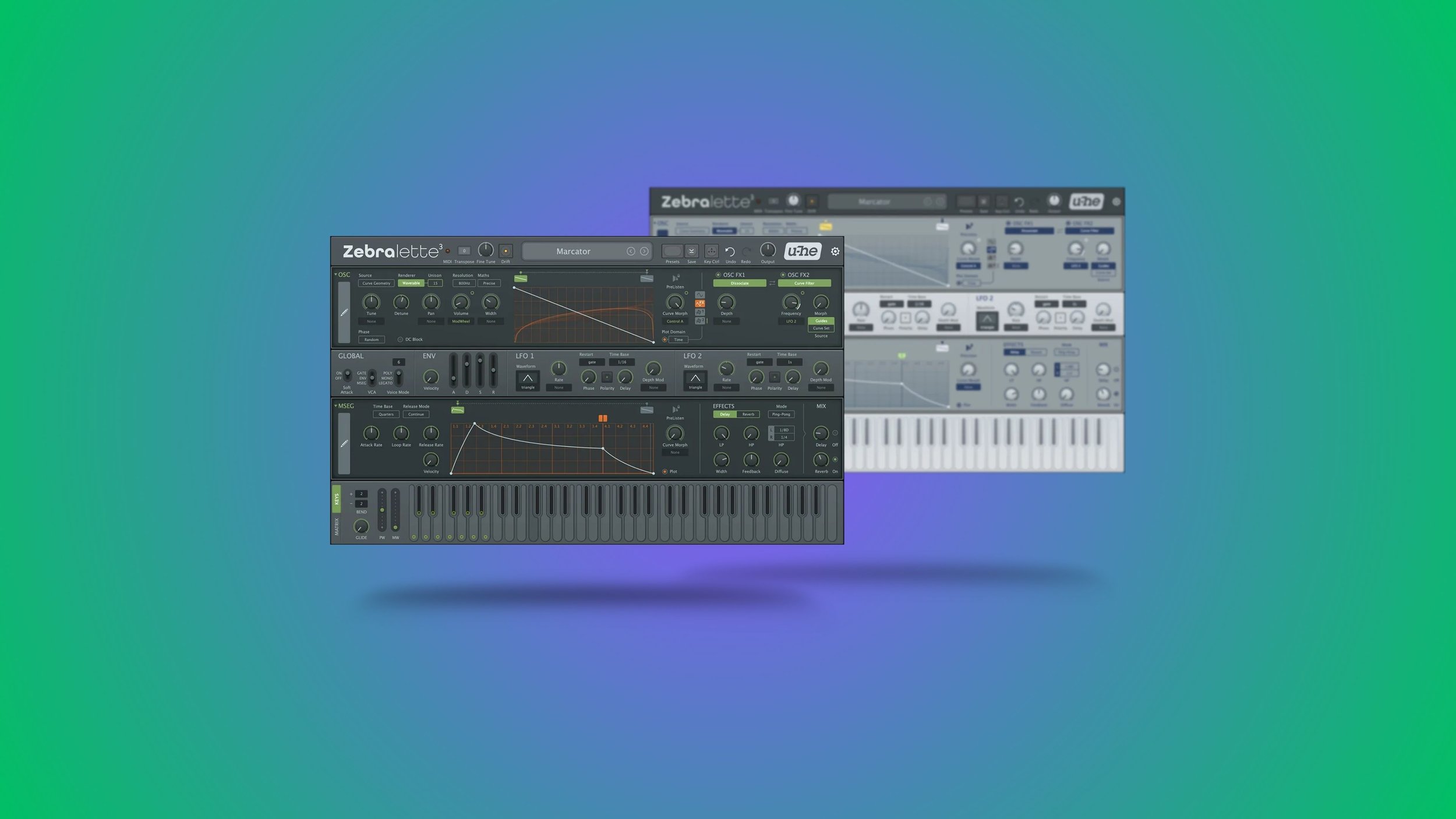
u-he quietly announcing Zebralette 3.0 as a Release Candidate is a bigger deal than it might look at first glance. Zebralette has always been a free synth, but it’s never been a throwaway product — it’s traditionally where u-he experiments with ideas that later shape their flagship instruments. With version 3, that role is clearer than ever: this is the first near-final public look at the synthesis engine that will power Zebra 3. The “RC” label matters here. A Release Candidate isn’t a concept demo or a rough beta — it’s u-he signaling that the instrument is largely finished, stable, and ready for real-world use. That puts Zebralette 3 in an interesting position: it’s a fully usable free synth today, and at the same time a preview of one of the most anticipated soft synth updates in years. For producers who care about sound design, this is where the Zebra 3 story effectively begins.
What Is Zebralette 3.0 RC
Zebralette 3.0 RC isn’t a mini synth or a simplified preset player. At its core, it’s a single-oscillator instrument built around u-he’s spectral synthesis engine, the same oscillator concept that sits at the heart of Zebra. Instead of layering multiple oscillators, Zebralette invites you to go deep into one sound source and shape it using spectral morphing, waveform editing, and oscillator FX that radically change how the oscillator behaves over time.
What makes version 3 different from previous Zebralette releases is that it’s no longer a side project or legacy tool. This is a complete rebuild on u-he’s modern architecture, designed in parallel with Zebra 3 rather than as an offshoot of older Zebra versions. The result is a focused but powerful instrument that feels intentional instead of limited — fewer modules on screen, but far more depth than you’d expect from a free synth.
What’s New in Zebralette 3.0 RC
The shift to Release Candidate status is less about flashy additions and more about the instrument feeling finished. Performance and responsiveness have been tightened across the board, and the synth now behaves like something you can rely on in a real project rather than a work-in-progress experiment. Modulation in particular feels more deliberate, with cleaner routing, better visual feedback, and fewer friction points when assigning sources.
On the synthesis side, the oscillator has seen meaningful refinements. Improvements to wavetable and phase modulation, along with better control over oscillator FX, make it easier to dial in movement without losing clarity. Small workflow touches — like bypass options and expanded modulation targets — don’t sound exciting on paper, but together they make sound design faster and more intuitive. This is the version where Zebralette stops feeling like a preview and starts feeling like an instrument.
Sound & Synthesis Character
Zebralette’s sound leans firmly into the digital side of synthesis, but in a way that feels musical rather than clinical. It excels at animated textures, glassy leads, and modern basses that evolve over time instead of sitting still. Because everything revolves around a single oscillator, small changes in shape or modulation have a big impact, which makes it especially rewarding for motion-heavy sounds and expressive patches.
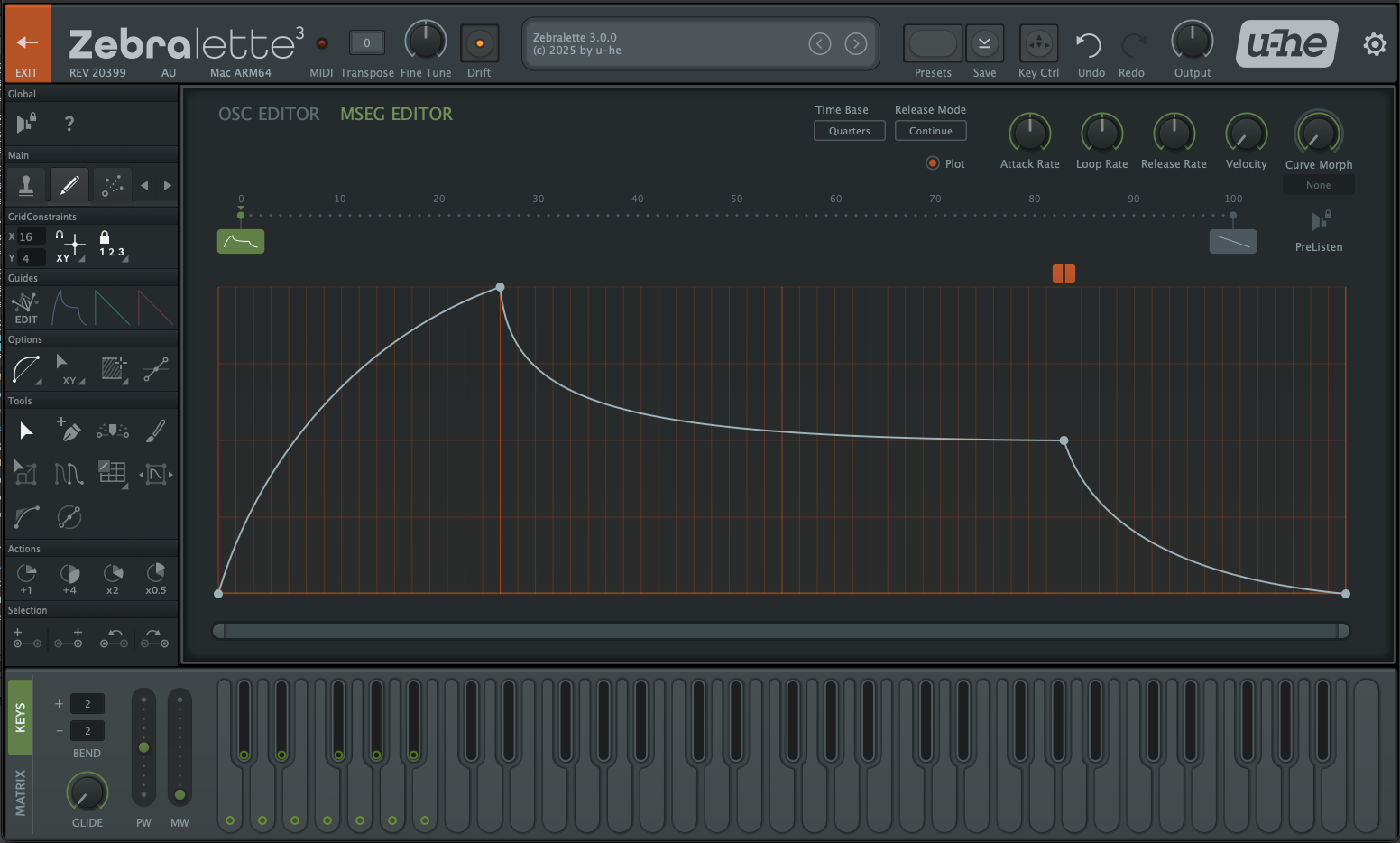
A lot of that character comes from the oscillator FX, which let you reshape the harmonic content directly rather than filtering it after the fact. Combined with spectral morphing and MSEG-driven movement, Zebralette encourages sounds that feel alive and slightly unpredictable. The built-in delay and reverb are best seen as finishing tools — clean, flexible, and there when you need them — but the real personality of the synth comes from how deeply you can sculpt the oscillator itself.
Who Zebralette 3.0 RC Is For (and Why It’s Worth Trying)
Zebralette is clearly aimed at producers and sound designers who enjoy shaping sound rather than browsing presets. If you’re comfortable working with modulation, envelopes, and evolving timbres, it’s an incredibly deep tool — especially considering it’s free. It also makes a lot of sense for anyone curious about Zebra 3, since it introduces the core synthesis concepts without the complexity of a full modular environment.
That said, it’s not trying to be everything. If you’re looking for instant analog emulation or a massive preset library, Zebralette probably isn’t the right fit. But as a focused, modern digital synth — and a glimpse into u-he’s future direction — it’s one of the most impressive free instruments available right now. Even if you never touch the full Zebra, Zebralette 3.0 RC stands on its own as a serious creative tool worth spending time with.
Disclosure: This site contains affiliate links. If you purchase through these links, I may earn a commission at no extra cost to you.