
Rane System One Brings Motorised Platters to Standalone DJ Gear
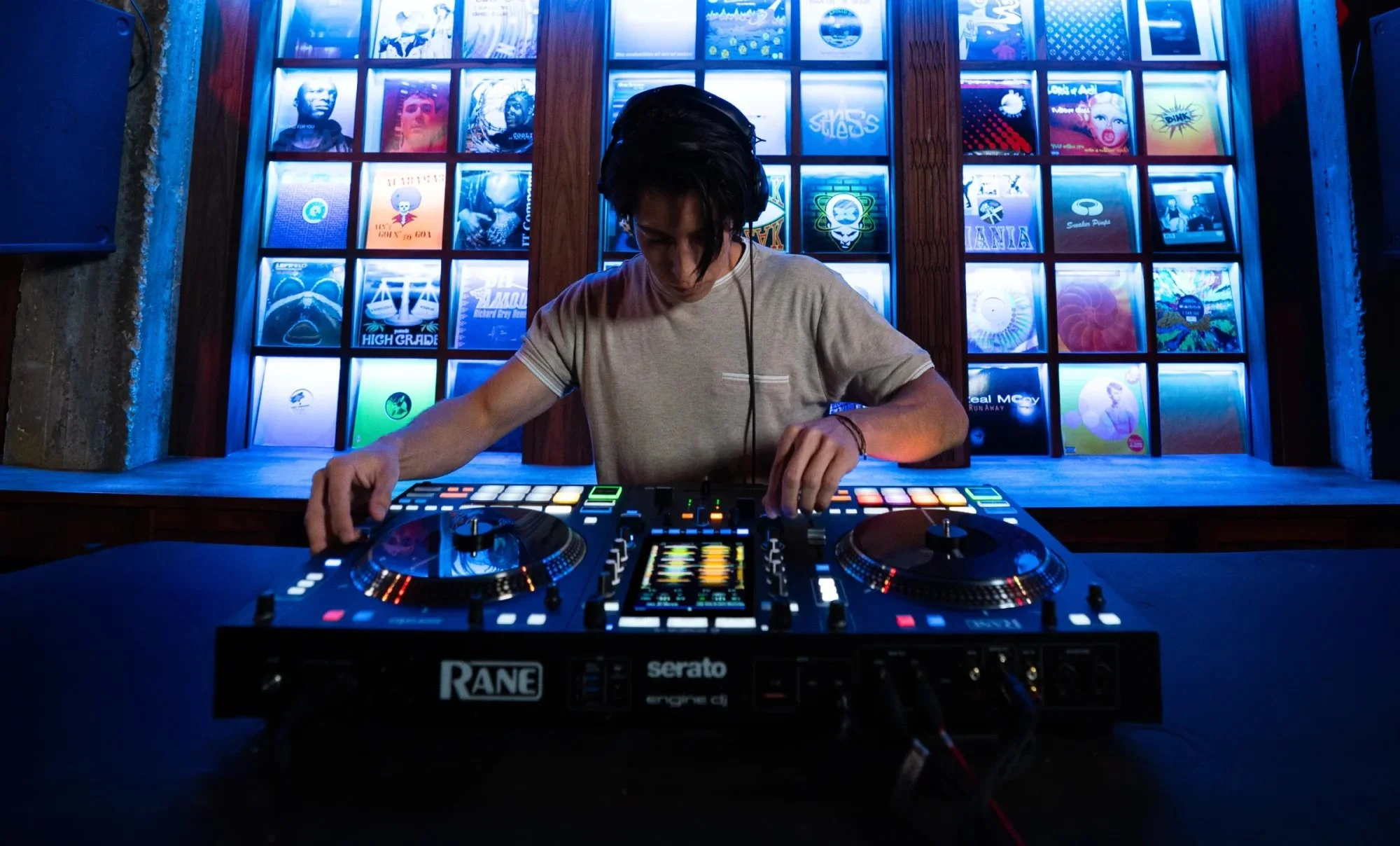
Rane has introduced the System One, a standalone DJ system that pairs traditional motorised platter control with modern, laptop-free performance workflows. Positioned as a new category of pro hardware, it brings the physical feel many DJs prefer to a fully integrated system capable of mixing from drives and streaming sources without an external computer. The System One stands out not just because it combines these elements in one unit, but because it does so with features typically found in high-end standalone gear — including 7.2-inch aluminium motorised platters, a built-in high-definition touchscreen, and broad source flexibility. This launch signals a shift in how performance-focused DJs might approach mixing in both club and open-format contexts.
TL;DR
Rane’s System One is the first standalone DJ system with motorised turntable-style platters built in.
It runs Engine DJ software onboard with a 7-inch HD touchscreen for library and performance control.
System One supports mixing from USB, SD, internal and cloud/streaming sources.
Also compatible with Serato DJ and algoriddim DJ with included Serato DJ Pro activation.
What’s the System One?
Rane’s System One is a standalone DJ system built around motorised, vinyl-style platters that spin like traditional turntables, making it the first unit of its kind to combine that physical response with laptop-free functionality. It leverages the same kind of performance orientation that made the Rane One controller popular with scratch and open-format DJs, but now in a self-contained hardware platform that can mix from drives or streaming sources without a connected computer. The system pairs its tactile control with modern DJ workflows, aiming to bridge the gap between the feel of turntables and the flexibility of standalone gear.
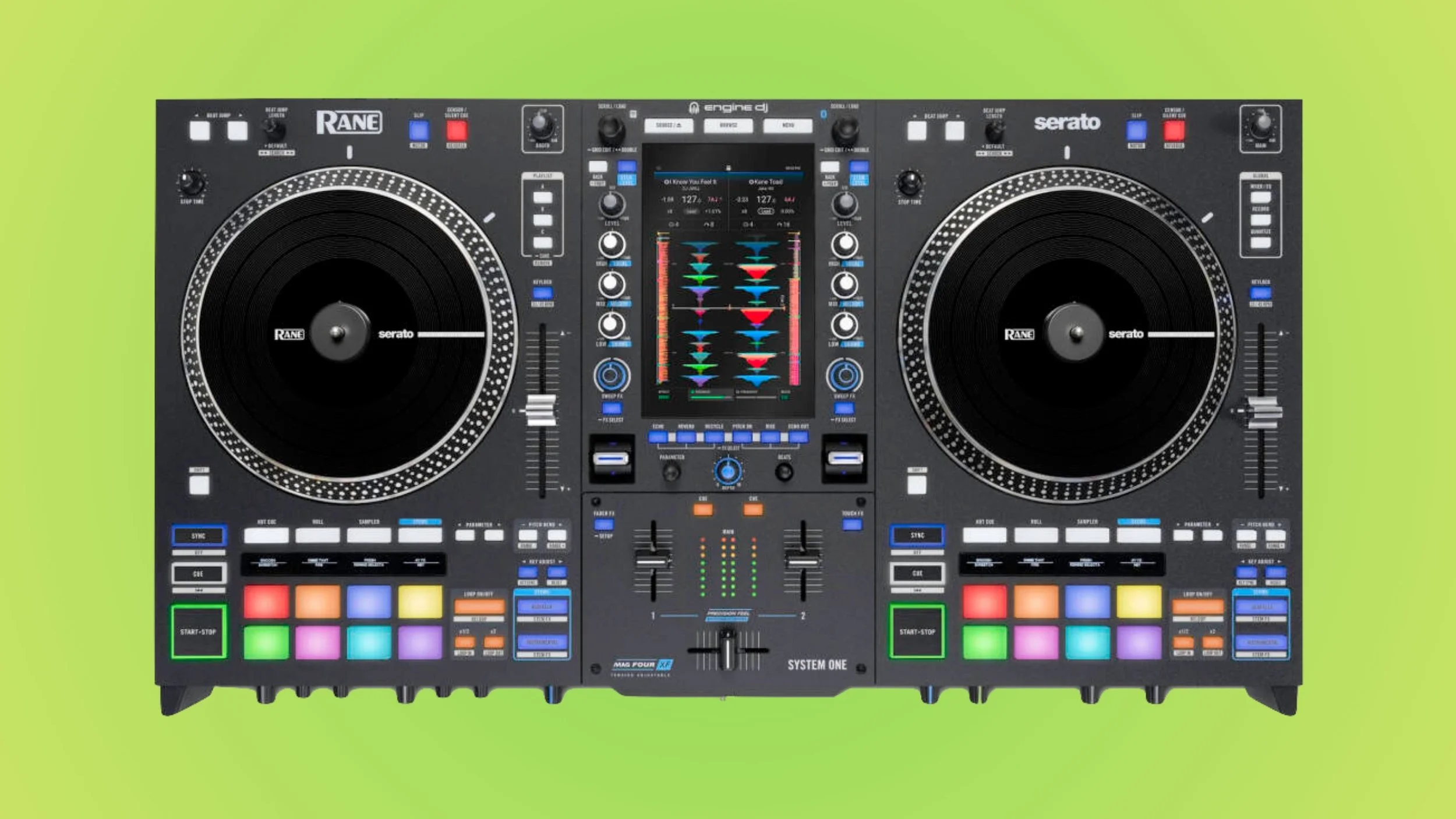
At the centre of the System One is built-in Engine DJ software and a 7-inch high-definition touchscreen that handles browsing, waveforms, and performance control, alongside 7.2-inch aluminium motorised platters and performance pads with visual feedback. The system’s OmniSource architecture is designed to let DJs pull tracks from USB, SD, internal storage (sold separately), and Wi-Fi-enabled streaming services, or route into Serato DJ and Algoriddim djay workflows. The onboard feature set also includes a suite of internal effects, multiple assignable FX types, and a mixer section with professional-grade crossfader and channel faders — solidifying System One as not just a controller, but a complete DJ performance tool tailored for open-format and scratch-style use.
Workflow and Real-World Use
In practice, System One is built for DJs who want to move fast between “hands-on” techniques and modern library control without changing their whole muscle memory. The motorised platters make it feel closer to playing on turntables than most standalone systems, which matters if your set includes quick cuts, backspins, tight cue juggling, or open-format routines where you’re constantly reacting to the room. The touchscreen becomes the command center for browsing, loading, and managing tracks, so you’re not stuck in a laptop mindset mid-set—everything stays on the unit.
The other big workflow angle is flexibility: System One is designed to cover both “show up with a drive” gigs and more connected setups. You can build sets around USB / SD / internal storage (optional) and also pull from Wi-Fi streaming services, which is a different kind of freedom than a typical scratch-focused controller. And if your world still revolves around laptop performance, it can also slot into Serato DJ Pro or Algoriddim djay, so the same hardware can be used as a standalone rig one night and a software-based performance controller the next—without forcing you to relearn how you play.
Alternatives to Consider
If you like the idea of a pro, performance-first rig but don’t specifically need spinning platters, the most obvious alternatives are the current flagship standalone systems that prioritize stability, big screens, and club-style layouts. Pioneer DJ / AlphaTheta XDJ-XZ remains a common “all-in-one” choice for DJs who want a familiar, CDJ-style workflow in a single unit, while Denon DJ Prime 4+ is a strong pick if you want a modern standalone ecosystem with deep onboard features and a reputation for flexible library options.
On the other hand, if your priority is scratch feel and battle-style control more than standalone operation, Rane One is still a relevant alternative in the same family—especially for DJs who already know they want a laptop-based Serato workflow with motorised platters. And if you’re looking for a more traditional turntable-plus-mixer approach for cutting and open-format sets, building a rig around Technics SL-1200/1210 decks and a pro mixer is still the most direct route to that classic response. For a deeper breakdown of what to buy instead, check my post about best standalone DJ controllers.
Pros
Motorised platters in a fully standalone system (a rare combination in pro DJ hardware)
Built on Engine DJ with a touchscreen workflow for laptop-free performance
Flexible music sourcing including USB / SD / internal storage (optional) and Wi-Fi streaming
Can also be used with Serato DJ Pro and Algoriddim djay, so it fits multiple setups
Cons
A motorised-platter standalone unit is likely a more substantial, heavier piece of gear than compact all-in-ones
Performance-focused design may be more than some DJs need if they don’t scratch or use platter techniques
Touchscreen-driven control can feel like a different workflow shift for DJs who prefer minimal screen interaction
A “do-it-all” flagship-style unit may be less appealing if you prefer a modular setup (separate decks + mixer)
Final Words
System One feels like Rane pushing standalone gear in a direction that’s more performance-forward than the usual “club layout in a box” approach. It’s a clear attempt to make the standalone category feel more physical, more reactive, and more aligned with how scratch and open-format DJs actually play.
This looks like the best fit for DJs who want turntable-style control and modern flexibility in one rig—especially if your sets involve quick transitions, crowd-driven pivots, and hands-on platter work. If you’re mostly doing long blends, basic mixing, or you just want the lightest possible travel setup, it might be more hardware than you need.
Disclosure: This site contains affiliate links. If you purchase through these links, I may earn a commission at no extra cost to you.