
Stylophone On-The-Fly: Fast, Playable Hardware Sequencing
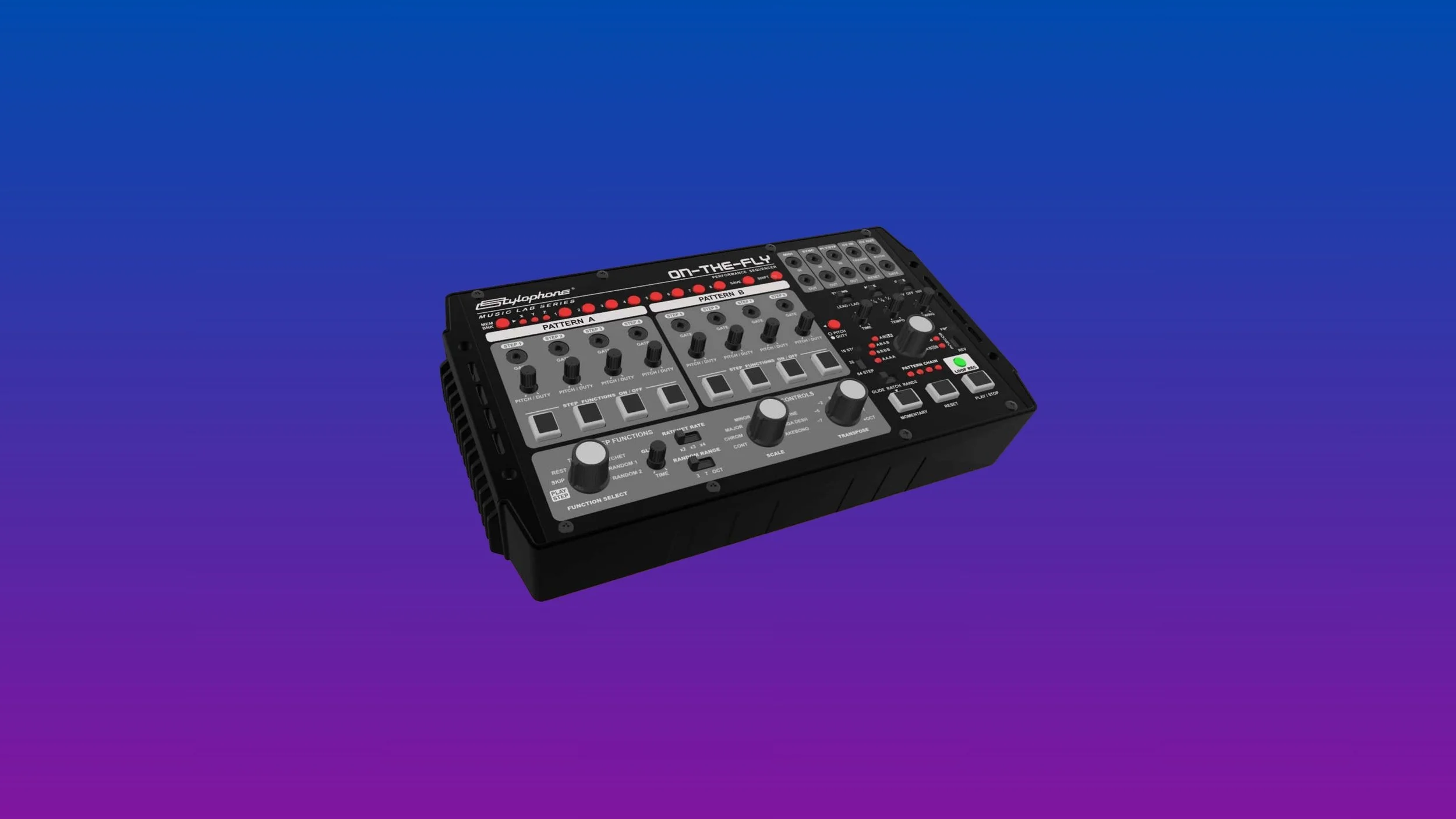
As NAMM 2026 is raging on, Stylophone has announced a new hardware step sequencer called the On-The-Fly, expanding its CPM ecosystem with a performance-oriented sequencing tool built for hands-on action without deep menu diving. Aimed at musicians who want tactile control and flexible sequencing, it blends compact hardware sequencing with modular and MIDI/CV-based workflows. The On-The-Fly takes a simple core — dual four-step sequences — and scales it into something much broader with live pattern chaining, direction control, and extended step counts. Confirmed details sketch out a device focused on real-time manipulation and pattern complexity rather than screen menus or presets hidden behind layers of navigation. Pricing and full availability are not confirmed yet.
TL;DR
New hardware performance sequencer from Stylophone with hands-on controls.
Starts with dual 4-step patterns, expandable up to 64 steps.
Built-in pattern chaining, multiple directions (forward/reverse/bounce).
Includes scales, transpose options, and step effects like ratchet/random.
Connectivity covers MIDI, sync, CV/Gate, and more; price and release timing not confirmed yet.
What’s the Stylophone On-The-Fly
Stylophone’s On-The-Fly is a performance-focused hardware sequencer built around direct, tactile control rather than deep settings pages. The whole concept is speed and immediacy: a sequencer you can grab, tweak, and push in real time, with Stylophone explicitly framing it as a “no menu diving” workflow. At its core, it starts as two independent 4-step sequences, which keeps the entry point simple and playable.
From there, On-The-Fly scales into longer sequences up to 64 steps, with pattern chaining and multiple playback directions like forward, reverse, and bounce to keep patterns moving without stopping the flow. It’s also designed to fit into a wide range of setups thanks to confirmed MIDI, sync, and CV/Gate connectivity—making it relevant for modular rigs, drum machines, and more traditional MIDI-based studio gear.
Workflow and Real-World Use
In practice, On-The-Fly feels built for the kind of sequencing where you start with something small and playable, then evolve it live. You could sketch a tight loop quickly, then stretch it into a longer phrase by expanding the step length and chaining patterns together, turning a simple motif into a full progression without having to stop and “rebuild” the idea from scratch. The different playback directions also suggest a workflow where variation is part of the performance itself—flipping movement or bouncing the pattern to get new rhythmic shapes out of the same notes.
In a studio setup, it makes sense as a central brain for driving external gear while staying hands-on, especially if you like sequencing with your ears instead of staring at a screen. And in a live or jam context, it reads like something you can actively play: shifting patterns, changing how they run, and keeping the groove evolving in real time. With MIDI, sync, and CV/Gate all in the picture, it looks ready to sit between modular voices, drum machines, and synths as a quick “idea engine” that doesn’t force you into a single ecosystem.
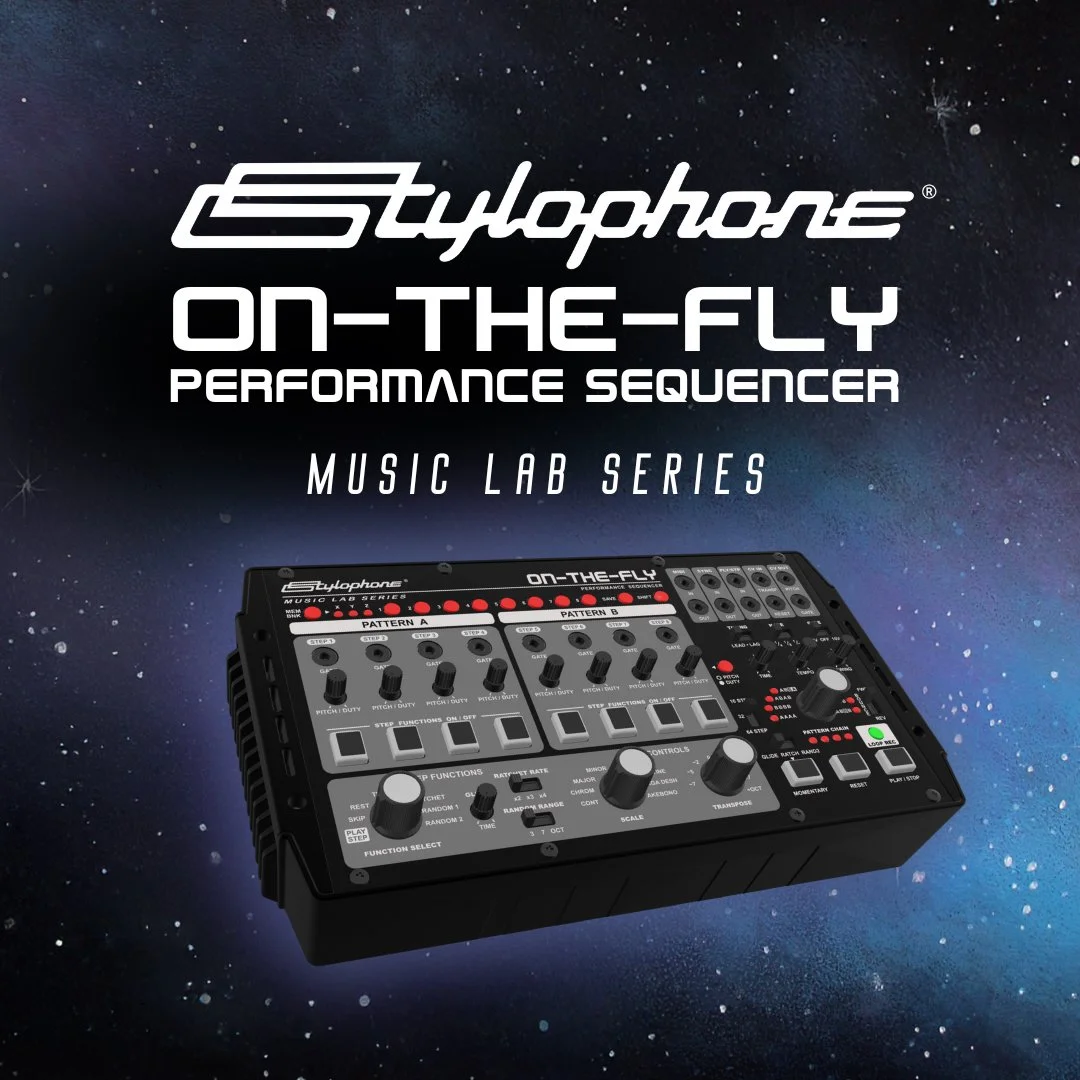
Alternatives to Consider
If you like the idea of a compact, performance-first sequencer, the Korg SQ-64 is one of the most direct alternatives in the “hardware brain” category, especially if you want multiple tracks and a system that can drive several pieces of gear at once. It’s a more structured approach, and it tends to make the most sense for producers who want one sequencer to sit at the center of a larger rig rather than something that feels purely jam-first. Another practical option is the Arturia BeatStep Pro, which has become a staple for hands-on sequencing because it’s fast, familiar, and works well as a bridge between MIDI and CV workflows—particularly for people who want immediate control without needing a deeper workstation-style setup.
If you’re more interested in a performance sequencer that can get weird and experimental fast, the Make Noise René (in the modular world) is a classic for touch-based sequencing and unpredictable pattern movement, but it’s a very different mindset and requires committing to Eurorack. And if what you really want is an ultra-flexible sequencer that can run an entire live set with deep pattern logic, the Squarp Pyramid is still a strong reference point—less “grab and go,” more “build a full system,” but ideal for musicians who want sequencing to be the core of their performance setup.
Final Words
On-The-Fly looks like it’s for producers and live performers who want sequencing to feel physical and immediate—something you can actively play, not just program. The combination of expandable step length, pattern chaining, and hybrid MIDI/CV connectivity makes it a potentially strong fit for modern rigs that mix drum machines, synths, and modular voices.
If you’re the type who needs deep song mode features, detailed memory management, or ultra-precise sequencing tools, this might be one to watch a little longer before committing. The next thing worth looking for is a clearer picture of the long-form workflow: how sequences are stored, recalled, and managed once you move beyond quick loops into full sets or structured tracks.
Disclosure: This site contains affiliate links. If you purchase through these links, I may earn a commission at no extra cost to you.