
Soundtoys SpaceBlender 2: The Imaginary Space Machine Reverb Returns with Granular + Spectral Tools
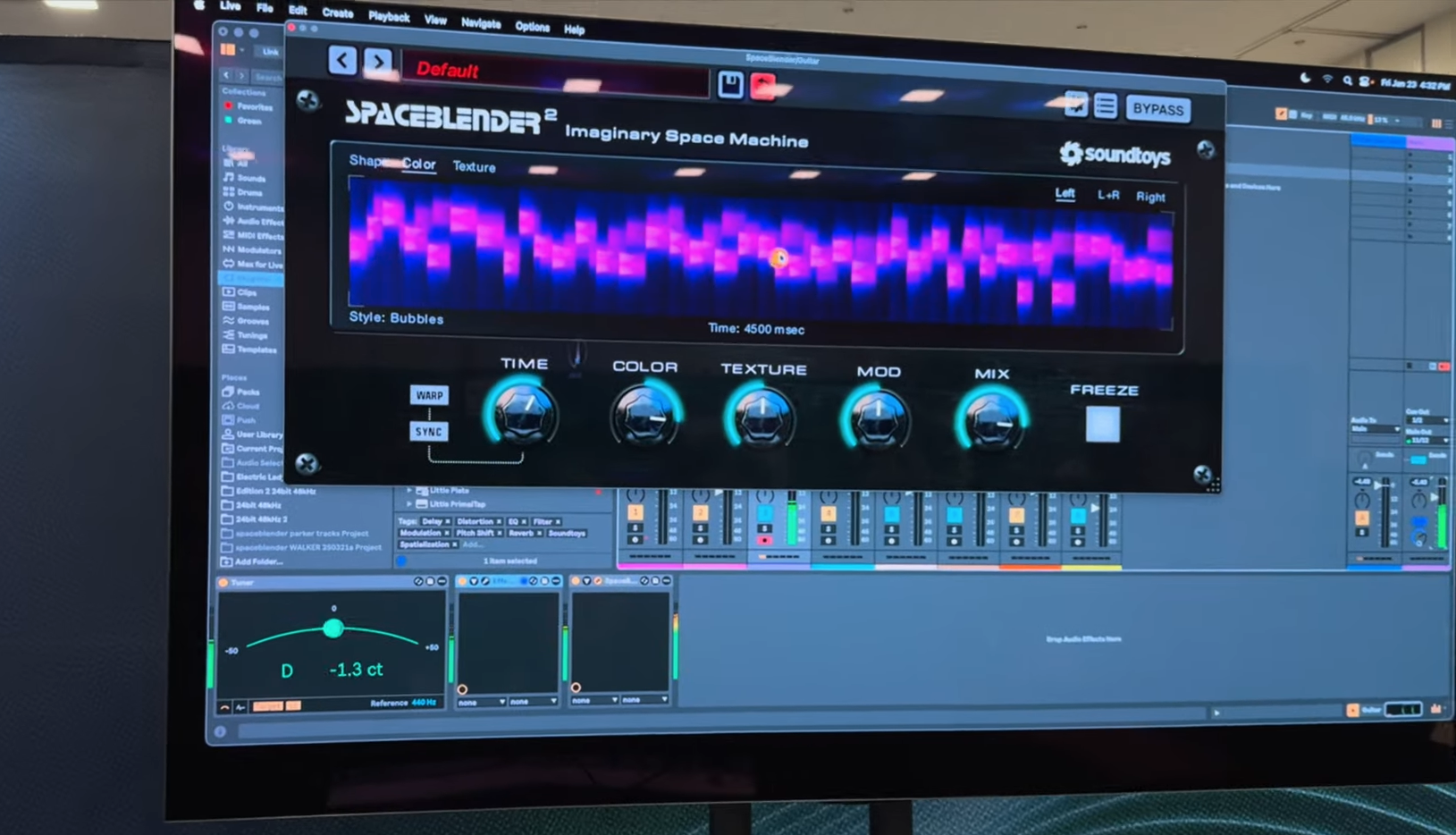
Soundtoys is teasing SpaceBlender 2, the next version of its “Imaginary Space Machine” reverb plugin, and it looks like they’re doubling down on the idea that reverb can be a full-on sound design tool—not just a “put it in a room” effect. Early footage shows a redesigned interface and a workflow that still feels built for movement, texture, and surreal space, rather than realistic ambience. What’s especially interesting so far is that SpaceBlender 2 is shown with new granular and spectral functions, suggesting deeper control over how the reverb behaves as a character effect. In the clips shared, it’s used on guitar, but the vibe is clearly bigger than “guitar reverb”—this looks aimed at producers who want reverb to be part of the hook, the transition, or the entire identity of a sound.
TL;DR
SpaceBlender 2 is Soundtoys’ next-gen “Imaginary Space Machine” reverb plugin, shown in early footage.
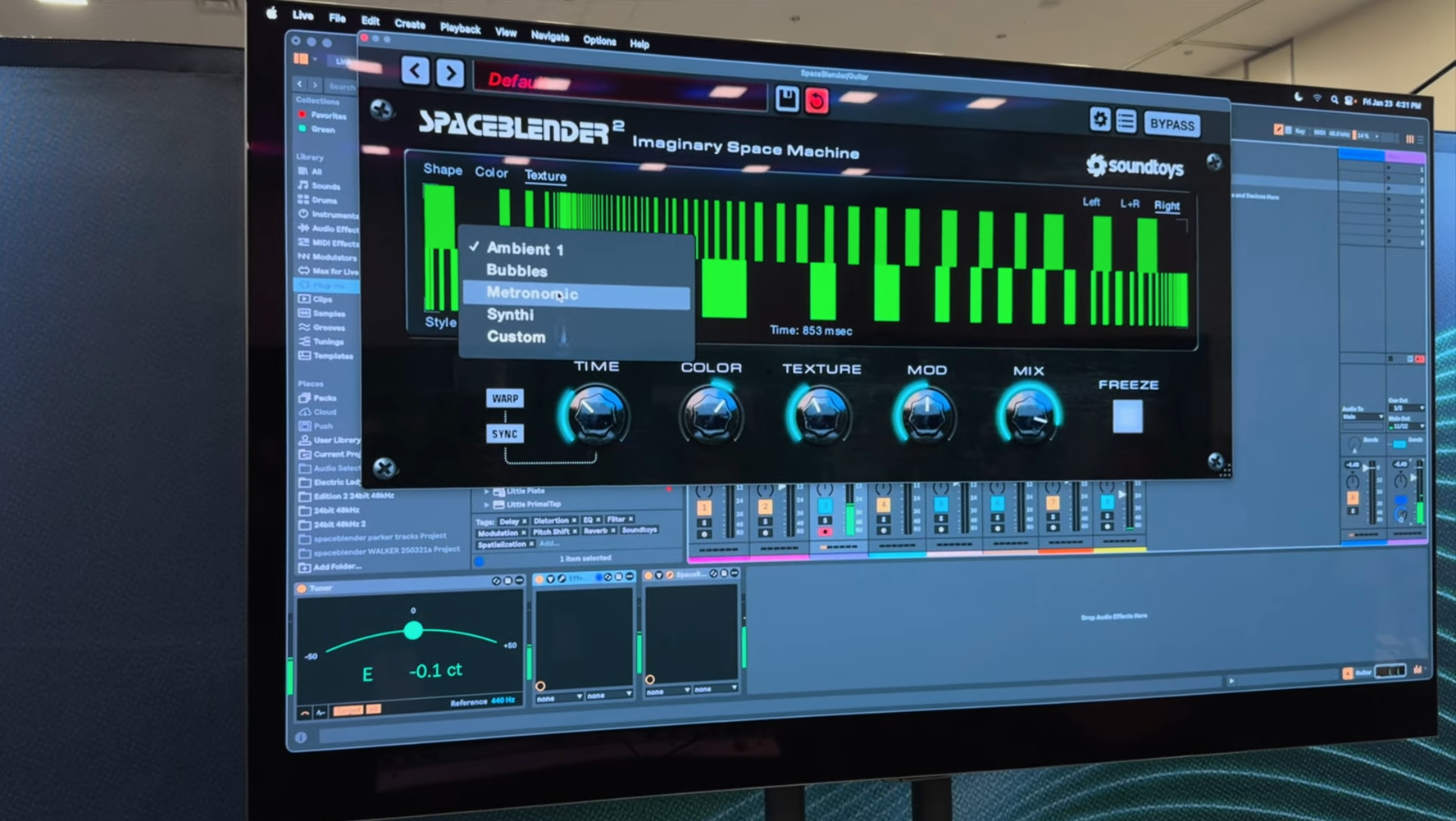
The new version is shown with granular and spectral functions for more experimental shaping.
The interface appears updated, with more hands-on creative control in the layout.
Demonstrations show it being used on guitar, with a clear emphasis on texture and movement.
This is still a first look—Soundtoys hasn’t presented it as a finalized release.
What’s New in SpaceBlender II?
SpaceBlender 2 is presented as the next iteration of Soundtoys’ SpaceBlender reverb plugin, continuing the “Imaginary Space Machine” concept rather than chasing realistic room modeling. From what’s shown so far, it’s still very much a creative reverb meant to reshape audio into larger-than-life spaces, with an interface that looks purpose-built for experimentation and quick movement between extremes (instead of tiny “dial it in” changes).
The biggest confirmed upgrade teased in the early footage is the addition of granular and spectral functions, which points to a more advanced approach to sculpting the reverb tail and the texture of the space itself. It’s also demonstrated on guitar, which makes sense for showing dramatic “before/after” changes fast—but the underlying idea feels broader: a reverb that can behave like an instrument, not just an effect you tuck behind a mix.
Workflow and Real-World Use
In practical terms, SpaceBlender 2 looks like the kind of reverb you reach for when you want the space to become part of the performance. The guitar demo is a good example of that mindset: instead of simply adding depth, you can push a sound into something wide, animated, and unreal—more like you’re “playing” the environment around the source than placing it into a believable room.
The teased granular and spectral functions also suggest a workflow where you’re shaping the character of the reverb as a texture layer, not just controlling size and decay. That’s the kind of tool that can turn a basic audio take into a transition moment, a breakdown atmosphere, or a hook texture that sits on top of the track—especially if you like reverbs that feel alive and slightly unpredictable rather than clean and polite.
Alternatives to Consider
If SpaceBlender 2’s “reverb as a creative instrument” approach is the appeal, a few other plugins sit in a similar lane depending on what kind of weird you’re after. Valhalla Supermassive is a go-to for huge, exaggerated spaces and smeared ambience that can easily become part of the arrangement, while Eventide Blackhole is a classic choice for massive, surreal reverb that leans more cinematic and dramatic than “natural.” If you want something more modern and experimental that can get textural fast, Baby Audio Crystalline is another strong option for shimmering, animated spaces that still feel musical.
On the other side, if your goal is less “imaginary space machine” and more detailed sound design using reverb-like behavior, Output Portal can scratch that granular itch in a different way—more about re-granulating audio into movement than building a traditional reverb tail. It’s not the same tool, but it hits a similar creative purpose when you want atmosphere and transformation to be front-and-center. For a deeper breakdown of what to buy instead, check my post about best reverb VST plugins.
Pros
Built around a creative “Imaginary Space Machine” concept, not standard room simulation
Adds granular and spectral functions for more advanced space shaping
Demonstrated as a dramatic, texture-forward effect (not just subtle depth)
Updated UI suggests a more hands-on, experimental workflow
Cons
Can encourage big, attention-grabbing spaces that won’t suit every genre or arrangement
If you prefer clean, realistic ambience, this style of reverb may feel too stylized
Final Words
SpaceBlender 2 is a good sign that Soundtoys is still investing in weird, character-driven effects at a time when a lot of plugin releases feel like minor variations on the same safe formulas. Even from a short first look, the focus on granular and spectral shaping makes it feel like a meaningful evolution of the original concept, not just a cosmetic refresh.
This looks like it’ll fit best for producers who want reverb to behave like a creative layer—something you actively shape for movement, texture, and identity. If your priority is natural room tone, subtle glue, or traditional mixing duties, SpaceBlender 2 probably isn’t the first reverb you’ll reach for.
Disclosure: This site contains affiliate links. If you purchase through these links, I may earn a commission at no extra cost to you.