
Behringer BMX: A New Oberheim DMX-Style Drum Machine Prototype
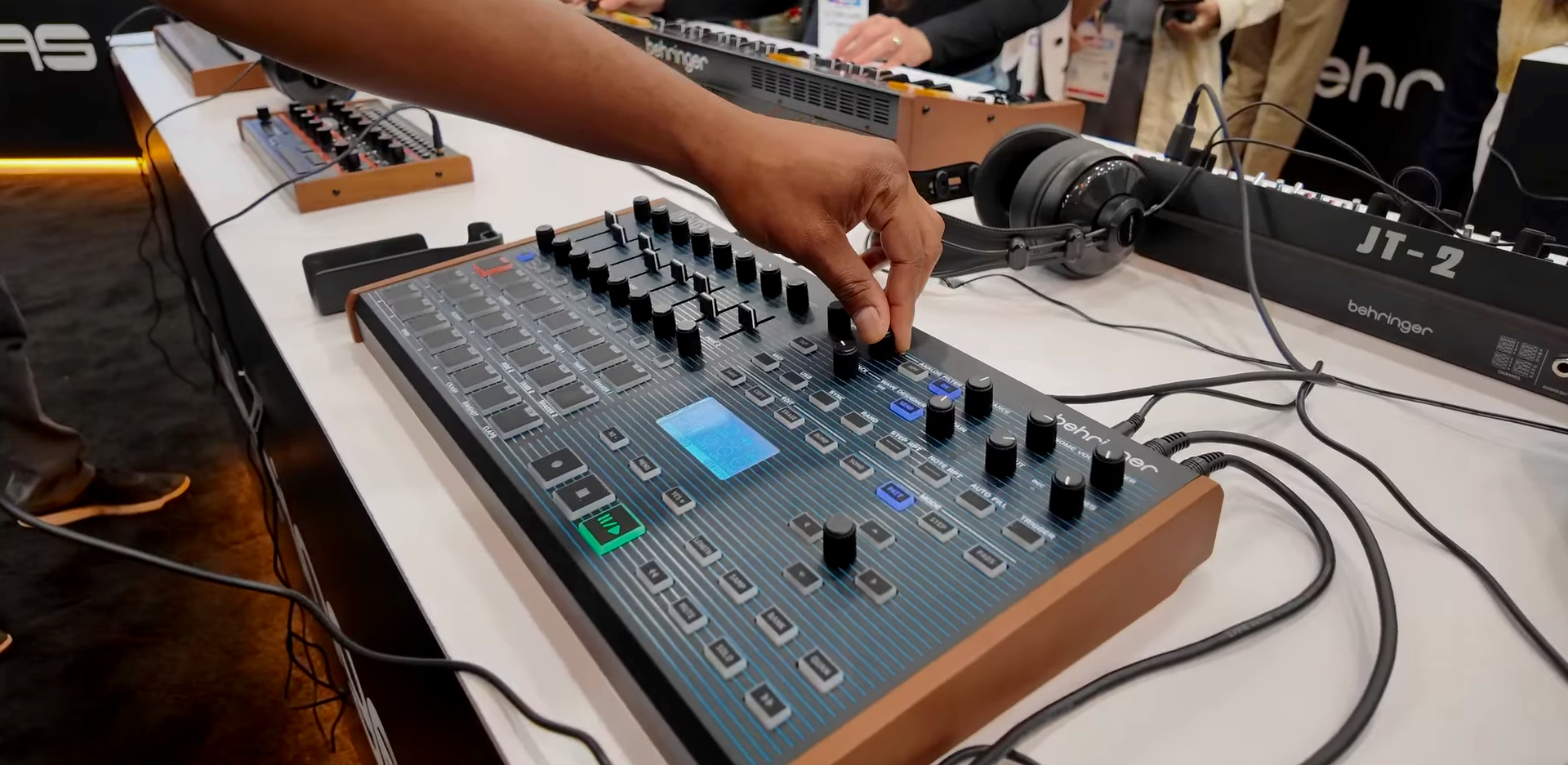
Behringer is teasing a new drum machine called BMX, and based on what’s been shared so far, it’s aiming straight at one of the most iconic reference points in classic drum hardware: the Oberheim DMX. This is still in “prototype / sneak preview” territory, but the early framing is clear — BMX isn’t just a vague retro nod, it’s being positioned around a cloned DMX-style core with a modern twist. The headline angle is that Behringer describes BMX as a hybrid sampling drum machine, suggesting a blend of vintage-style architecture with contemporary sample-based flexibility. If you’re into old-school punchy drum character but want something that fits a modern workflow, BMX is already shaping up as a release worth tracking as more details surface.
TL;DR
Behringer BMX is a prototype drum machine currently shown as a sneak preview
It’s framed as a hybrid sampling drum machine
Behringer describes it as having a cloned Oberheim DMX-style core
It’s explicitly positioned as DMX-inspired rather than a generic “retro” drum box
More details may follow as the project develops
What’s the BMX?
Behringer’s BMX is being presented as a DMX-inspired drum machine project, with the company framing it around a cloned Oberheim DMX core rather than a loosely “inspired-by” sound. In other words, the BMX concept is rooted in recreating a specific type of classic drum machine behavior and character, not just borrowing the look or vibe. The fact that it’s still being shown as a prototype / sneak preview matters too — this is early-stage info, but the intent is already clearly defined.
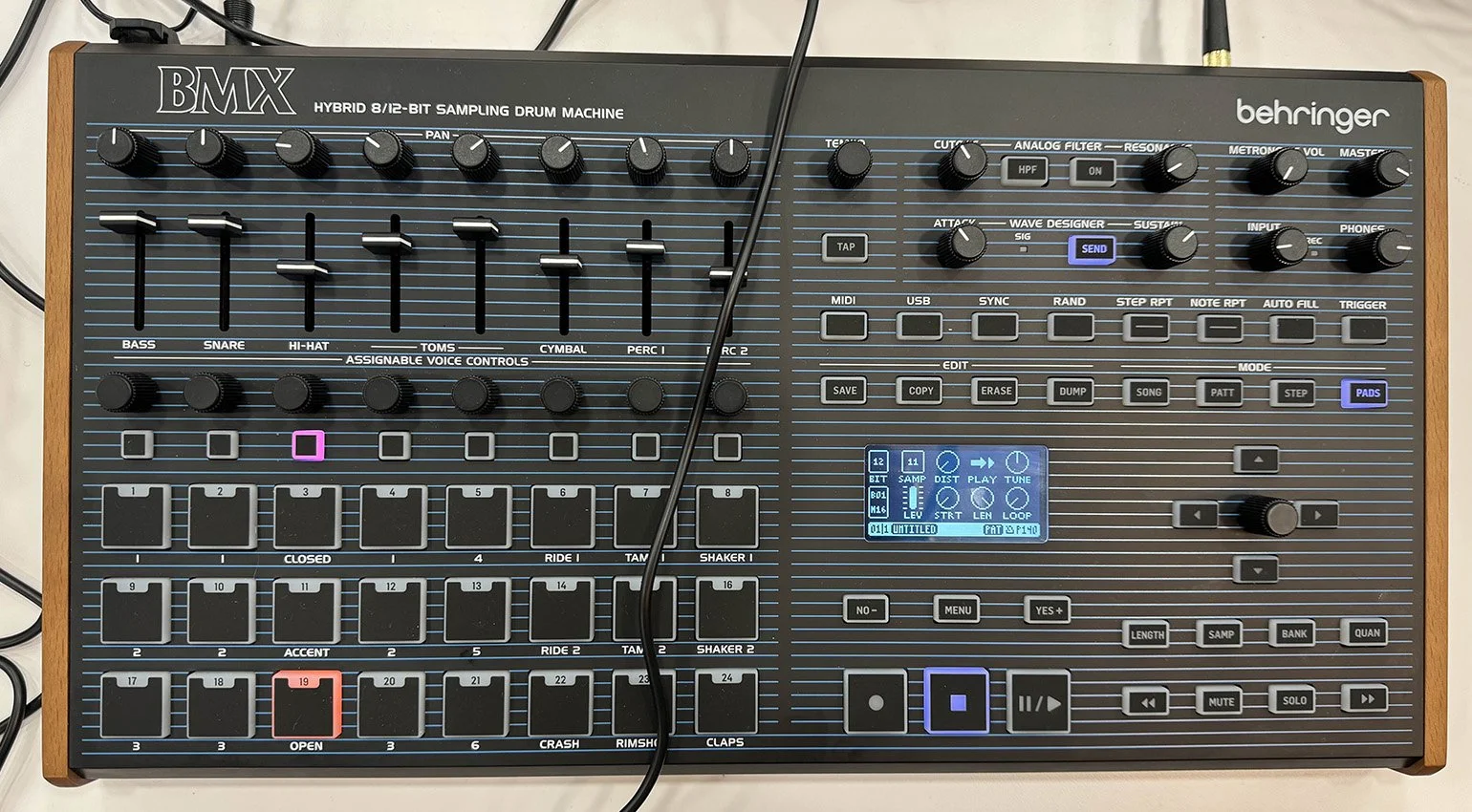
What gives BMX its modern angle is Behringer’s description of it as a hybrid sampling drum machine. That combination is basically the whole identity: a classic-style foundation paired with sampling as part of the concept, which suggests it’s meant to bridge old-school drum machine tone with more flexible, contemporary beatmaking potential. Beyond that core idea, the sources keep things deliberately high-level — the BMX is a “watch this space” announcement, but one with a very specific target in mind.
Workflow and Real-World Use
In practical terms, the BMX is being positioned as the kind of drum machine you’d build a track around from the first few minutes of a session: dial in a tight core groove, then shape the identity of the beat through the hybrid sampling angle rather than treating it like a fixed “one sound forever” box. If Behringer’s concept holds true, it’s the type of instrument that could cover both classic drum-machine patterns and more personalized kits that feel tailored to a specific track, without losing the directness that makes old-school drum programming so fast.
For live or performance-focused setups, the BMX idea reads like something meant to stay hands-on and immediate — a drum machine that can anchor a set with a recognizable punchy backbone, while still giving you room to swap out elements and refresh the palette as you go. Even at prototype stage, the bigger promise is simple: a familiar vintage-style drum machine workflow, but with enough sampling-driven flexibility to keep it from feeling locked into one era or one genre.
Alternatives to Consider
If you’re drawn to the BMX concept for its hybrid sampling angle, the Elektron Digitakt II is one of the most direct “modern sampling drum machine” alternatives to look at. It’s built around detailed sample sequencing and editing, and it’s a strong fit for producers who want tight patterns, fast kit-building, and a workflow that can swing from clean and minimal to aggressively chopped and experimental.
If you want something more performance-forward, the Roland TR-8S is a practical pick for hands-on pattern work with a broad palette of drum sounds and quick control in a live-style layout. And if your main goal is a more classic, character-first drum machine lane, options like Behringer’s LM Hybrid Drum Machine and the RD-8 offer different takes on vintage-inspired drum hardware — one leaning into that ‘80s electronic kit identity, the other aimed at TR-style immediacy with lots of dedicated controls.
For a deeper breakdown of what to buy instead, check my post about the best hardware drum machines for beatmaking.
Pros
Built around a cloned Oberheim DMX-style core, targeting a specific classic drum machine sound and feel
Positioned as a hybrid sampling drum machine, suggesting more flexibility than a purely fixed-voice retro unit
The BMX concept is clearly DMX-inspired, not a vague “vintage drum box” rehash
Cons
A cloned DMX-style core points toward a very specific sonic lane, which may feel limiting if you want a broader all-purpose drum machine
The BMX is currently shown as a prototype / sneak preview, meaning it’s not a finished, finalized product concept yet
A hybrid sampling approach can push users toward deeper kit-building choices instead of simple “pick a kit and go” immediacy
Final Words
The BMX is interesting because it’s another sign that “classic drum machine character” is back in a serious way — but now the expectation is that it should come with modern flexibility built in, not just nostalgia. Even as a prototype, it’s being framed with a clear identity instead of trying to please every kind of producer at once.
This looks like it’ll make the most sense for beatmakers who want a focused, vintage-leaning drum foundation but still like the idea of shaping kits beyond fixed voices. If you’re mainly after an ultra-modern, do-everything drum workstation, the BMX concept might feel too anchored in one specific lineage.
Cover source: Noir Et Blanc Vie - After Hoursblancvie-afterhours
Disclosure: This site contains affiliate links. If you purchase through these links, I may earn a commission at no extra cost to you.