
Reloop RP-5000 MK4: The Direct-Drive Workhorse Returns
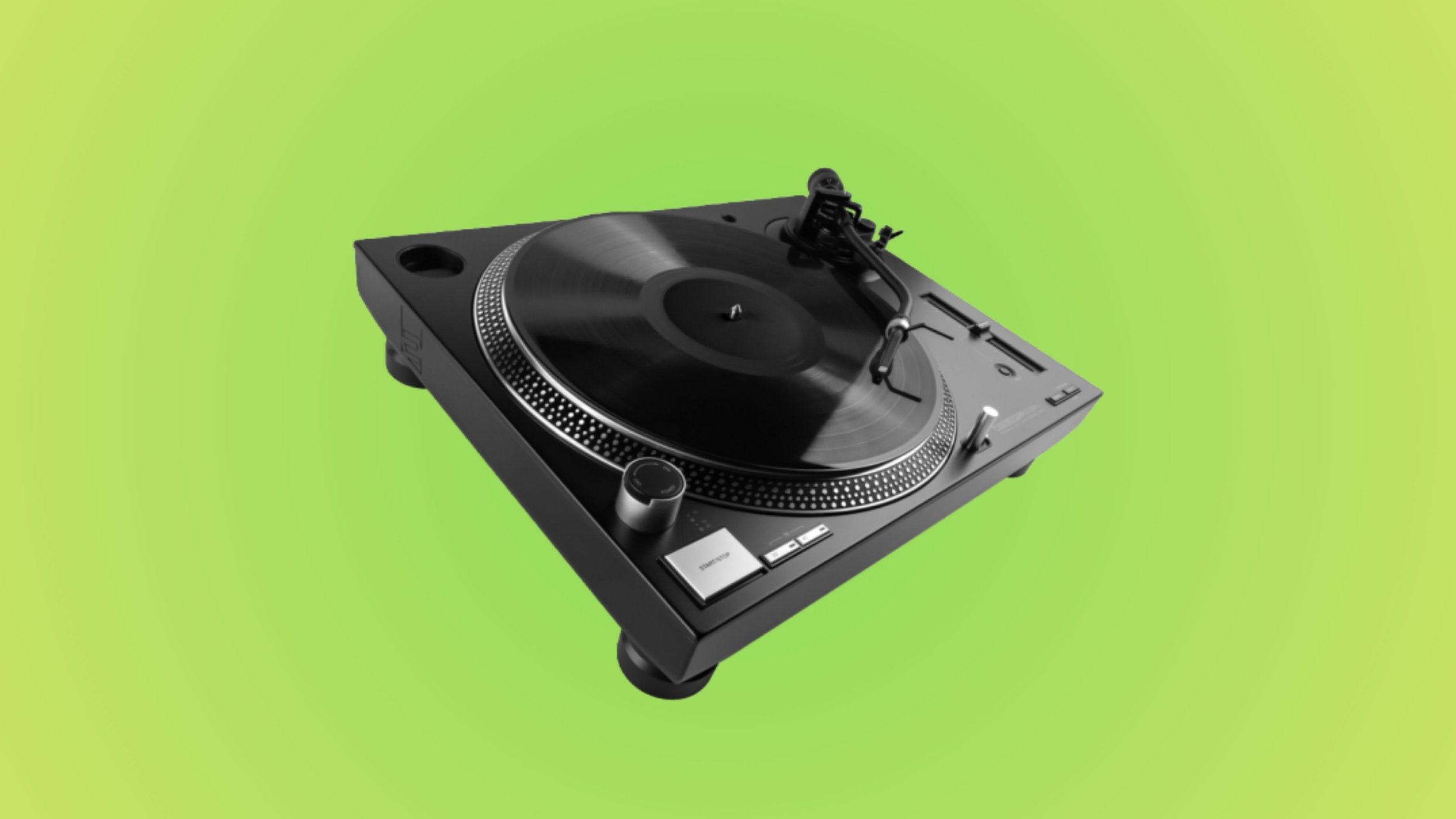
Reloop’s RP series has always lived in that “serious DJ deck” lane: direct-drive, built for real mixing, and priced like something you’d actually bring to gigs instead of babying at home. With the RP-5000 MK4, Reloop isn’t reinventing what a modern DJ turntable is supposed to be — it’s tightening the whole concept with upgrades that feel aimed at people who care about stability, torque, and a cleaner performance experience, whether they’re mixing vinyl, running timecode, or doing a bit of both. The headline is a newly developed direct-drive brushless DC motor paired with high torque (2.5 kg/cm), plus a feature set that keeps the RP-5000 MK4 flexible in real-world setups: 33 ⅓ / 45 / 78 RPM playback, multiple pitch options including ±50%, and a build that’s clearly designed around reducing unwanted resonance and vibration. This is a first look at what’s confirmed so far — and why the MK4 version is a meaningful update for DJs who want a modern workhorse deck without drifting into boutique territory.
TL;DR
The Reloop RP-5000 MK4 is a direct-drive DJ turntable designed for performance-focused setups.
It features a newly developed brushless DC motor with 2.5 kg/cm torque for fast, confident start-up response.
Playback supports 33 ⅓ / 45 / 78 RPM, making it useful beyond standard DJ speeds.
Pitch control includes multiple ranges, including an extra-wide ±50% mode for extreme tempo moves.
The MK4 update also focuses on stability with vibration-conscious design elements like damping and isolation.
What’s the RP-5000 MK4
Reloop positions the RP-5000 MK4 as a modern, performance-ready update to its long-running RP turntable line, built around the idea of a reliable direct-drive deck that can handle real DJ use without feeling like a delicate “audiophile-only” piece of gear. The big change is the newly developed brushless DC motor, which Reloop pairs with high torque (2.5 kg/cm)—the kind of spec that matters when you want fast start-up behavior, stable rotation, and a platter response that feels predictable under your hands.
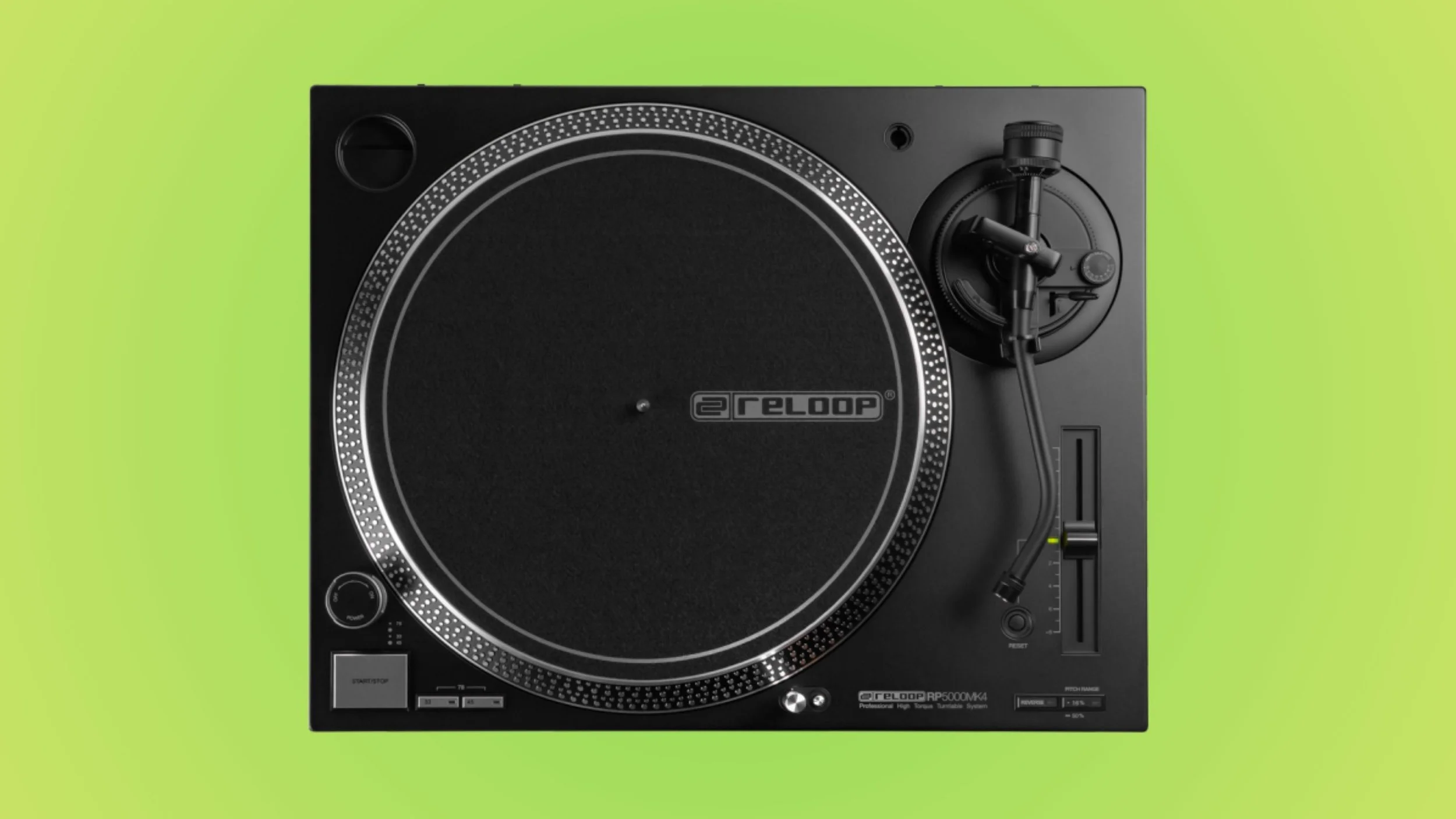
Beyond the motor, the RP-5000 MK4 is clearly meant to be flexible in a wider range of vinyl workflows than a basic two-speed deck. It supports 33 ⅓ / 45 / 78 RPM, and the pitch control goes beyond standard DJ ranges with multiple options including ±50%, which opens the door to extreme tempo shifts and more creative mixing moves. Reloop also highlights physical refinements aimed at keeping performance clean and consistent, including vibration-conscious construction choices like updated damping and isolation-focused feet.
Workflow and Real-World Use
In practice, the RP-5000 MK4 feels built for DJs who want a turntable that responds quickly and stays stable once it’s moving. That high-torque direct-drive approach is the kind of thing you notice immediately when cueing and dropping in a track, riding transitions, or doing tight tempo corrections mid-mix — it’s less about “vintage charm” and more about the deck feeling locked-in and confident when you’re actually performing. And because Reloop is leaning into stability-focused design choices, the MK4 also reads like it’s meant to behave well in less-than-perfect environments (think loud monitors, boomy rooms, or shared DJ booths where vibration can become a real issue).
The other big workflow win is flexibility. Having the option to select various RPM variations makes this more than just a standard club deck for modern 12"s — it can also cover older records and different formats without needing a second setup. And the expanded pitch options, including ±50%, aren’t only for novelty “extreme mixing” moments: they can be genuinely useful if you’re blending material that wasn’t produced for DJ-friendly tempos, or if you want to push into more experimental transitions without instantly hitting the limits of a typical pitch range.
Alternatives to Consider
If you’re looking at the RP-5000 MK4, you’re probably in the market for a “real” direct-drive DJ turntable — something that feels stable, responsive, and built for performance rather than just casual listening. The most obvious alternative is the Technics SL-1210MK7 / SL-1200MK7 family, which is still the reference point for a lot of DJs who want the classic club-standard feel and long-term reliability. Another strong option in the same modern direct-drive category is the Pioneer DJ PLX-1000, which is aimed at DJs who want a pro-style deck with a familiar layout and a more premium, booth-ready presence.
If you’re leaning more toward a value-focused workhorse, the Audio-Technica AT-LP1240 is also commonly considered in this lane for DJs who want direct-drive performance without jumping to higher-end pricing tiers. And if you want to stay within the same brand ecosystem but spend less, Reloop’s own lineup includes more affordable models that still cover the fundamentals for mixing and practice. For a deeper breakdown of what to buy instead, check my post about the best DJ turntables for vinyl DJs.
Pros
High-torque direct-drive motor (2.5 kg/cm) suited to performance-focused DJ use
Support for 33 ⅓ / 45 / 78 RPM, adding flexibility beyond standard DJ playback
Wide pitch options, including ±50%, for creative or non-standard tempo mixing
Design emphasis on stability, with damping and vibration-reducing construction elements
Cons
High-torque, direct-drive design typically means a heavier, more utilitarian deck compared to entry-level turntables
Expanded pitch ranges and performance features may be overkill for casual or purely listening-focused use
Pro-oriented layout and build prioritize function over minimalist or hi-fi aesthetics
Final Words
The RP-5000 MK4 lands at a moment when “DJ turntable culture” is as much about practical longevity as it is about nostalgia — and Reloop’s update feels like a clean reminder that modern direct-drive decks can still evolve in useful ways without changing the core formula people rely on.
This one makes the most sense for vinyl DJs who want a stable performance deck with flexibility for different tempos and formats, especially if you like pushing transitions beyond safe, predictable ranges. If your setup is mostly about home listening, or you just want the simplest possible deck for occasional mixing, it may be more turntable than you actually need.
Disclosure: This site contains affiliate links. If you purchase through these links, I may earn a commission at no extra cost to you.